Canoe vs Kayak: Which One Fits Your Fishing Style?
When it comes to enjoying a day of fishing on the water, the vessel you choose can significantly impact your experience. Canoes and kayaks represent two popular options, each with distinct characteristics that cater to different fishing styles, environments, and personal preferences. The choice between these watercraft isn’t simply about tradition versus modernity—it’s about finding the perfect match for your specific fishing needs. Whether you’re an experienced angler looking to upgrade your setup or a newcomer trying to make your first watercraft purchase, understanding the fundamental differences between canoes and kayaks can help you make an informed decision that enhances your fishing adventures for years to come.
The Historical Evolution of Fishing Vessels
Fishing from small watercraft dates back thousands of years, with indigenous peoples across the globe developing vessels suited to their local waters. Canoes have a particularly rich history, with evidence of dugout versions dating back over 8,000 years, crafted by hollowing out large tree trunks. Native American tribes perfected the birchbark canoe, a lightweight and versatile design that revolutionized water travel. Kayaks, meanwhile, were developed by Inuit and Aleut peoples of the Arctic regions, who needed enclosed vessels to hunt on frigid waters. These original kayaks used seal skin stretched over wooden or whalebone frames, protecting from the elements. Both vessel types have evolved significantly over the centuries, incorporating modern materials like aluminum, fiberglass, and rotomolded plastic, while still maintaining their essential design characteristics.
Basic Design Differences Between Canoes and Kayaks

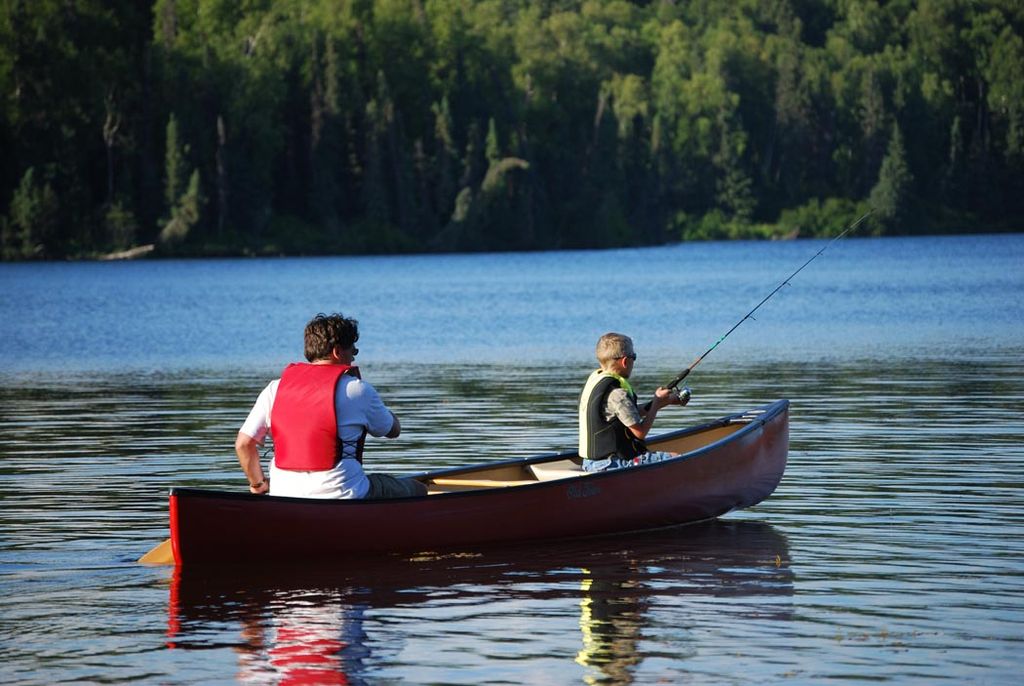
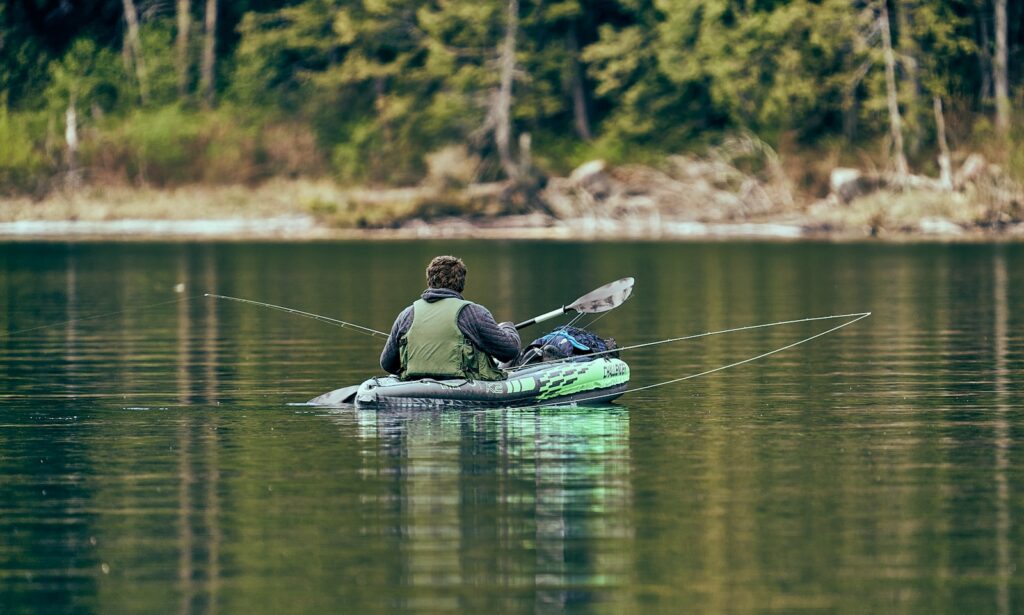
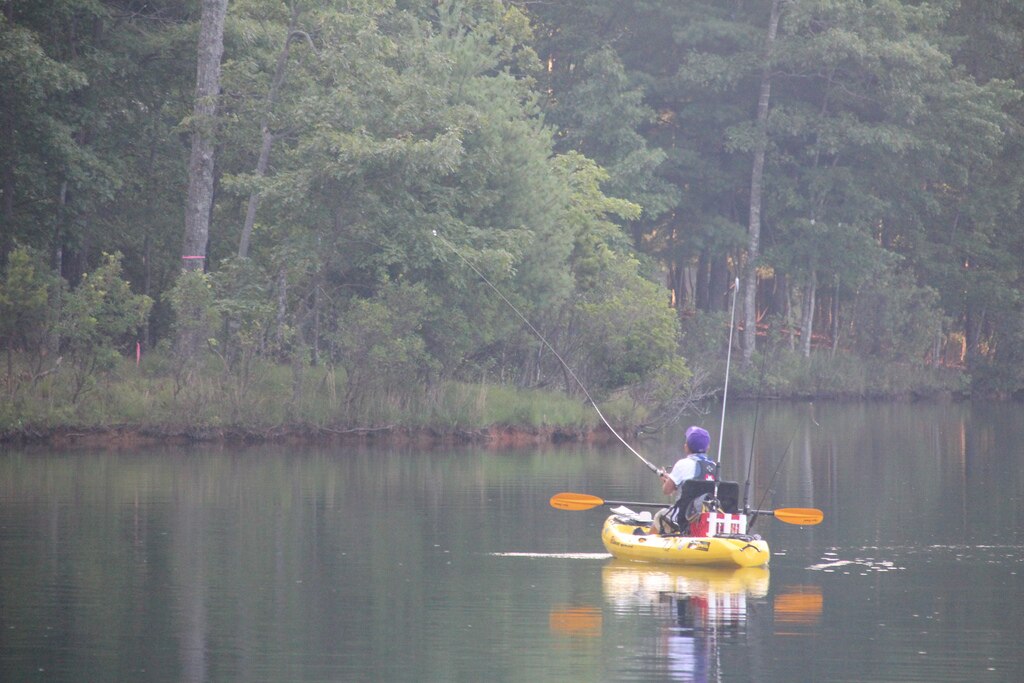
The most immediate visual difference between canoes and kayaks lies in their basic structure. Canoes feature an open-top design with higher walls (gunwales) and seats that position the paddler higher above the water line. They’re typically wider and more stable, with a symmetrical design front to back. Kayaks, conversely, have enclosed decks with a cockpit where the paddler sits inside the hull, positioned much closer to the waterline. Modern fishing kayaks often incorporate sit-on-top designs that eliminate the enclosed cockpit while maintaining the kayak’s low profile. The paddling method also differs significantly—canoeists use a single-bladed paddle with an alternating stroke pattern, while kayakers employ double-bladed paddles with a more rhythmic, efficient stroke pattern. These fundamental design differences influence everything from stability and storage to maneuverability and comfort.
Stability Considerations for Anglers
When fishing, stability represents one of the most critical factors affecting both safety and fishing effectiveness. Canoes typically offer superior initial stability due to their wider beam and flatter bottom, making them feel more secure when entering, moving around, or standing. This primary stability advantage makes canoes particularly appealing for larger anglers or those who prefer to fish standing up. Kayaks, while having less initial stability, often provide better secondary stability—the resistance to capsizing when leaned to one side—thanks to their rounded hull designs. Modern fishing kayaks have evolved to address stability concerns with wider hulls and pontoon-style designs that allow for stand-up fishing. Some even incorporate outriggers or stabilizing systems specifically designed to enhance stability while maintaining the kayak’s inherent advantages in speed and tracking. Your comfort level with on-water movement and your typical fishing position (seated versus standing) should heavily influence your stability requirements.
Maneuverability and Tracking Performance
How a vessel handles on the water significantly impacts your fishing experience, particularly when navigating to specific fishing spots or positioning for the perfect cast. Kayaks generally excel in maneuverability, allowing quick, precise turns with minimal effort due to their shorter length and responsive hull designs. This agility proves invaluable when fishing tight spaces like mangroves, narrow creeks, or around structure. Canoes, while less nimble, typically offer superior tracking—the ability to maintain a straight course, making them excellent for covering longer distances across open water. Many fishing kayaks now incorporate rudder or skeg systems to improve tracking without sacrificing maneuverability. The paddle type also influences handling characteristics; the double-bladed kayak paddle allows for quicker corrections and more immediate response compared to the single-bladed canoe paddle. Consider your typical fishing environment when evaluating which handling characteristics will benefit your angling style most.
Storage Capacity for Fishing Gear
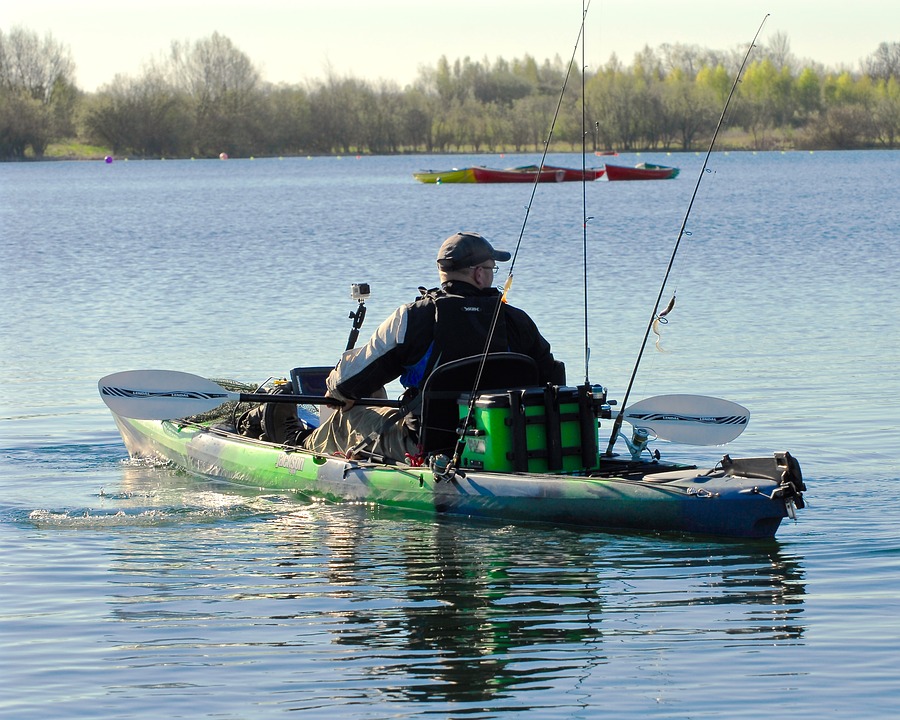
Fishing requires gear—sometimes lots of it—and your vessel’s storage capacity can make or break a successful expedition. Canoes unquestionably offer superior raw storage capacity, with their open design providing ample space for tackle boxes, coolers, camping equipment, and even multiple fishing rods without complex organization systems. This generous capacity makes canoes particularly well-suited for multi-day fishing trips or situations where you need to bring substantial equipment. Kayaks, while more limited in overall volume, have evolved sophisticated storage solutions including sealed hatches, bungee systems, rod holders, and specialized tackle management systems. Modern fishing kayaks feature ingenious track systems that allow for customizable accessory placement, enabling anglers to optimize their limited space for maximum efficiency. Some high-end fishing kayaks now incorporate dedicated battery compartments for fish finders, live wells for bait, and even specialized cooler storage, narrowing the traditional storage advantage canoes have enjoyed.
Transportation and Portability Factors
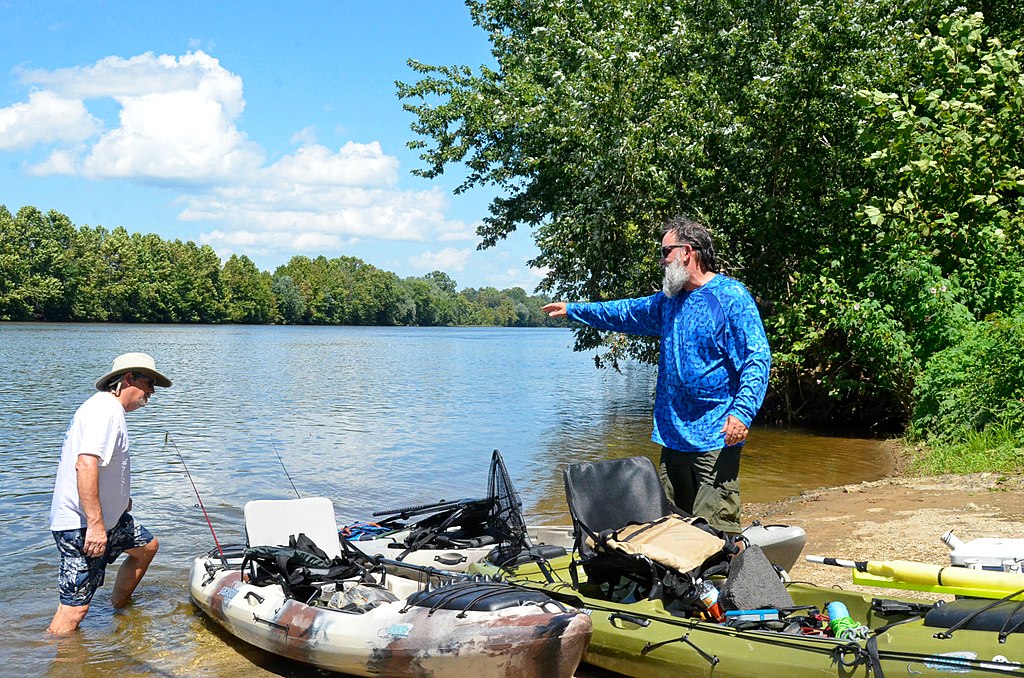
Before you can enjoy fishing on the water, you must transport your vessel to your destination, an aspect that shouldn’t be overlooked when making your selection. Kayaks generally hold the advantage in terms of weight, with recreational fishing models typically ranging from 35-75 pounds compared to canoes that often weigh 70-100 pounds. This weight difference becomes significant when loading onto roof racks or carrying to remote launch sites. Solo transportation proves much easier with kayaks, as their compact size and weight allow a single person to load, unload, and carry them using specialized carrier systems. Canoes, while heavier, feature center thwarts and yokes specifically designed for portaging, making them surprisingly manageable for short carries between waterways. Both vessel types now come in modular or folding designs that address transportation challenges, allowing storage in apartments or smaller vehicles that couldn’t accommodate traditional rigid hulls. Always consider your typical launching routine and physical capabilities when evaluating transportation requirements.
Weather and Water Condition Resilience

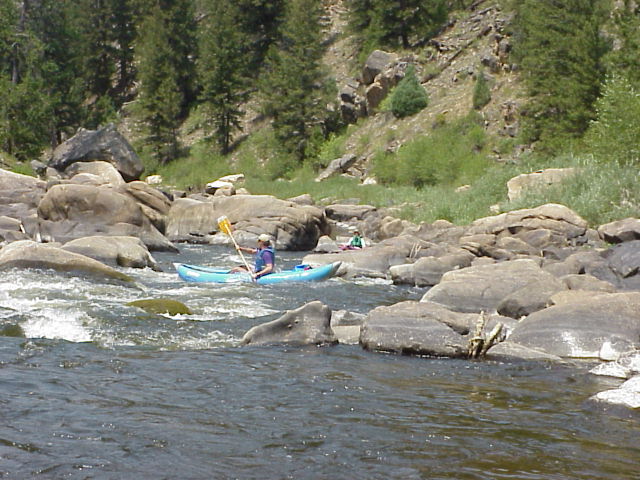
Different fishing environments present varying challenges, and your vessel’s ability to handle diverse conditions impacts both safety and fishing success. Kayaks typically perform better in windy conditions due to their lower profile and reduced windage, allowing them to cut through headwinds rather than being pushed around like higher-sided canoes. This wind advantage makes kayaks particularly well-suited for open water fishing on lakes, reservoirs, and coastal environments where sudden weather changes are common. Canoes excel in rough water conditions with their higher freeboard (distance from waterline to gunwale), which prevents waves from easily washing over the sides. Whitewater-specific versions of both vessels exist, but recreational fishing models generally perform better in calmer conditions. Many anglers in regions with variable weather patterns choose to own both vessel types, selecting the appropriate craft based on forecasted conditions. Always prioritize safety by matching your vessel choice to expected water conditions and carrying appropriate safety equipment, regardless of which type you select.
Comfort and Ergonomics for Long Fishing Sessions
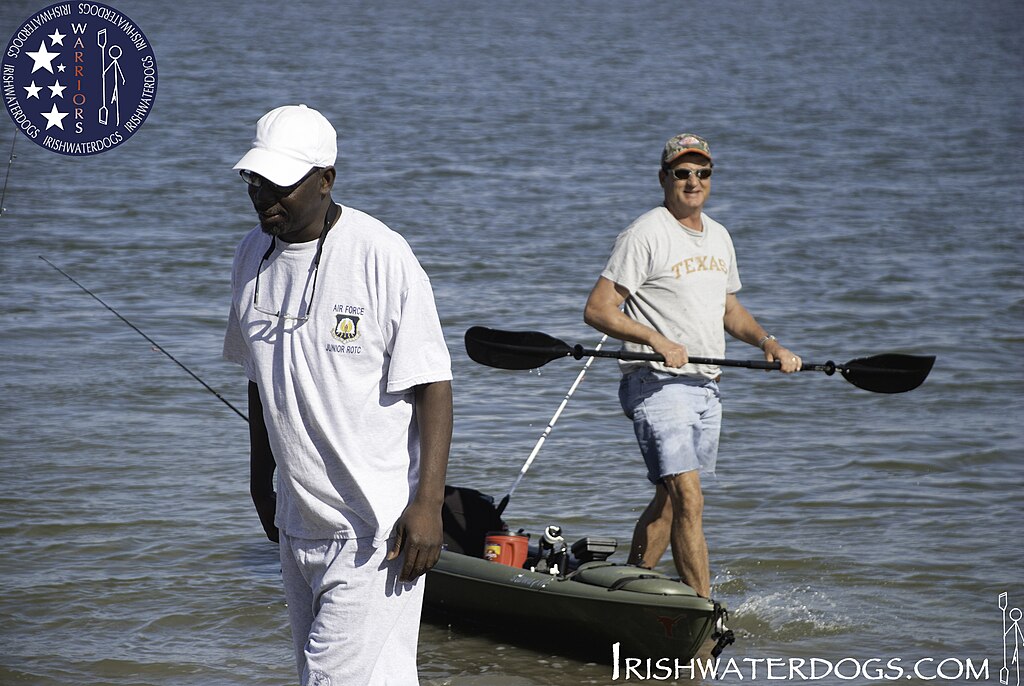
Fishing often involves spending extended periods on the water, making comfort a crucial consideration rather than a luxury. Canoes traditionally offer superior seating comfort with their bench or chair-style seats positioned higher above the water, allowing for more natural posture and easier position changes during long outings. This elevated seating position reduces leg cramping and allows anglers to stretch periodically without destabilizing the vessel. Kayaks have dramatically improved their comfort features in fishing-specific models, incorporating adjustable framed seats with lumbar support, adjustable foot braces, and thigh padding that vastly improves the sitting experience. The kayak’s lower seating position, while initially less comfortable for some, provides excellent back support and a lower center of gravity that enhances stability. Both vessel types now offer aftermarket seating upgrades that can significantly improve comfort beyond stock configurations. For anglers with back issues or physical limitations, carefully evaluating seating designs before purchase can prevent discomfort that might otherwise cut fishing trips short.
Solo versus Tandem Fishing Considerations
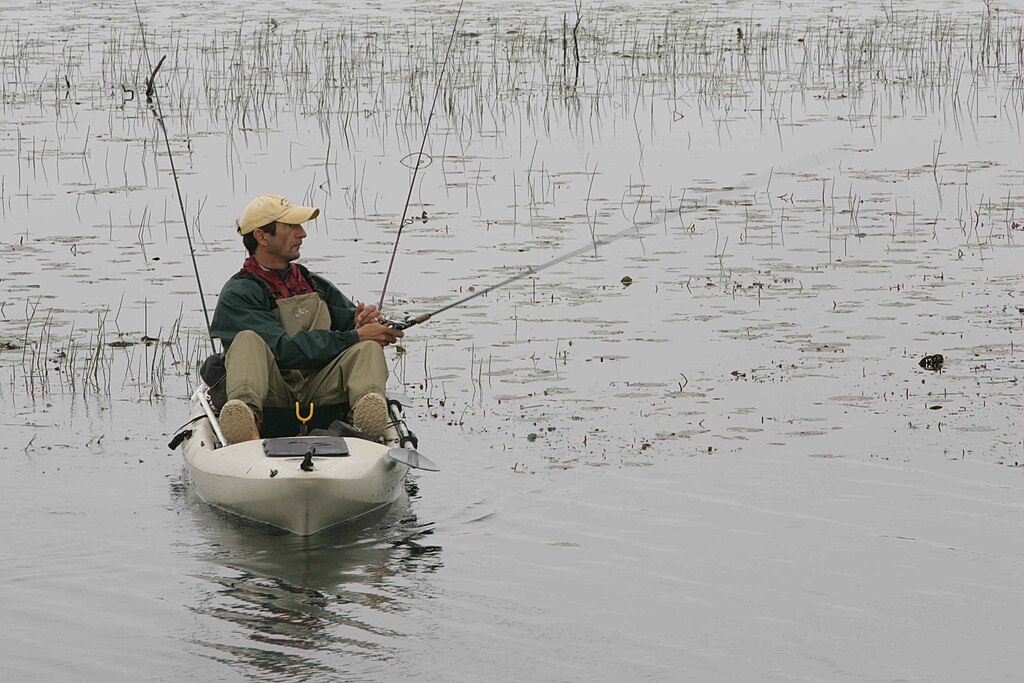
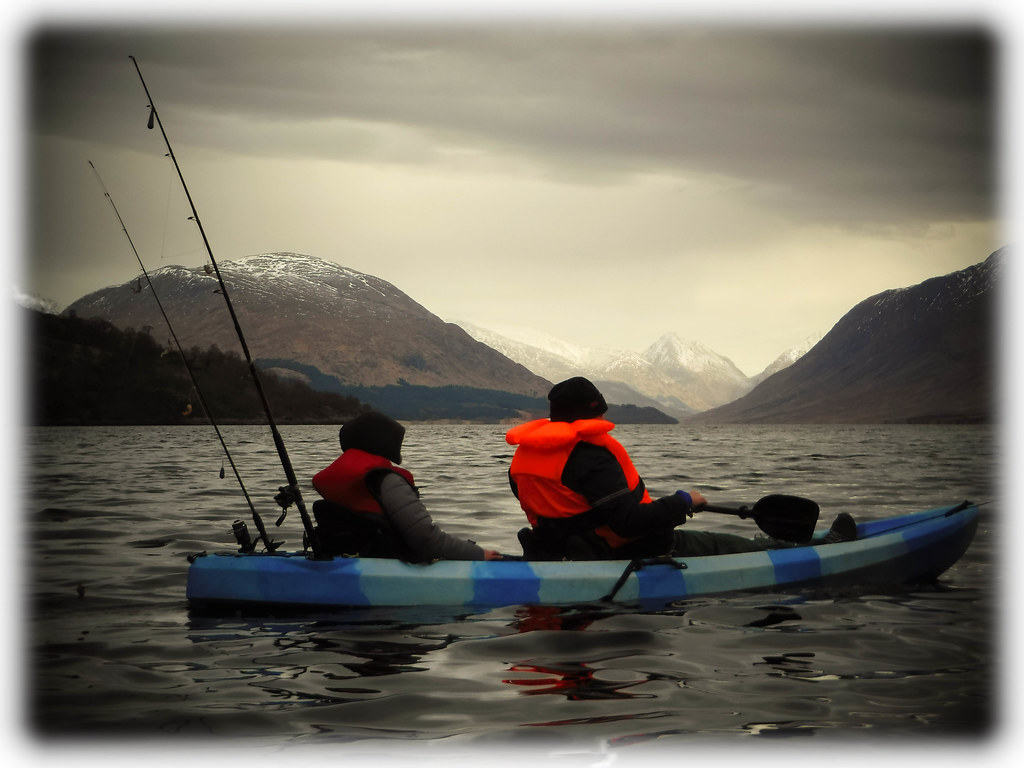
Whether you fish alone or with companions significantly influences the ideal vessel choice for your needs. Kayaks naturally excel as solo fishing platforms, with their lightweight design and efficient paddling mechanics making them ideal for independent anglers who value self-sufficiency on the water. Their streamlined profiles allow single paddlers to maintain good speed and control even in challenging conditions. Canoes offer unparalleled versatility for both solo and tandem arrangements, with many models capable of accommodating two anglers with their gear while still being manageable for experienced solo paddlers using specialized techniques. Three-person canoes even allow for family fishing outings that simply aren’t possible with standard kayaks. For those who sometimes fish alone and sometimes with partners, tandem kayaks exist but typically represent a compromise that sacrifices some of the performance advantages of solo designs. Some modern canoe-kayak hybrids aim to bridge this gap, offering removable seats and adjustable configurations that adapt to varying crew sizes without major performance penalties.
Fishing Technique Compatibility
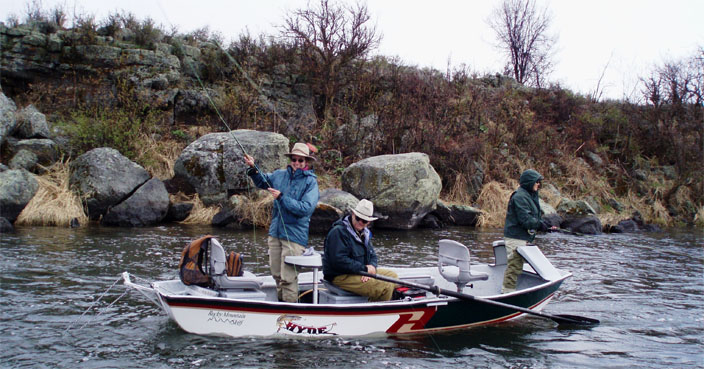
Different angling methods require different vessel attributes to execute effectively on the water. Fly fishing typically benefits from the stable, open platform canoes provide, allowing for unrestricted casting motions and better line management without snagging on accessories or the vessel itself. The higher seating position in canoes also helps keep backcasts elevated above the water surface. Kayaks excel for trolling techniques, where their tracking ability and ease of propulsion allow anglers to cover water efficiently while trailing lines at various depths. Their lower profile also provides advantages for sight fishing, allowing anglers to approach skittish fish with minimal disturbance. Jigging and vertical presentations work well from both vessels, though kayaks with their more secure seating position sometimes provide better leverage for setting hooks when fish strike. Specialized fishing kayaks now incorporate pedal-drive systems that free anglers’ hands for casting and retrieval while maintaining position, a significant advantage for techniques requiring precise boat control. Consider your primary fishing methods carefully when selecting between these vessel types.
Cost Considerations and Value Assessment
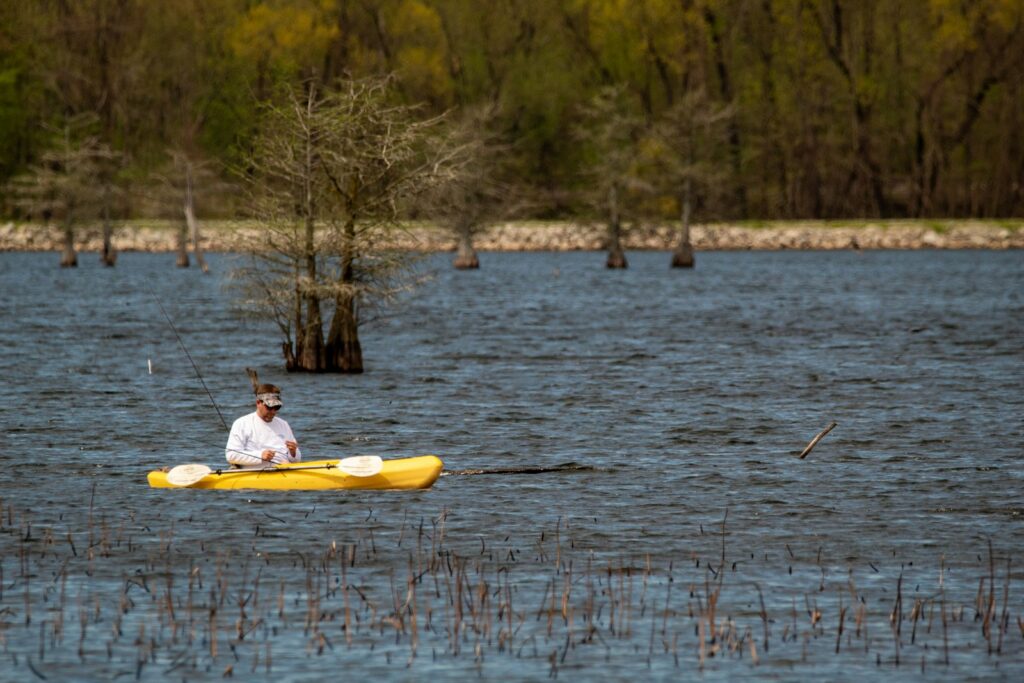
Budget inevitably plays a role in the canoe versus kayak decision, with significant price variation existing within each category. Entry-level fishing canoes typically start around $700-900 for basic aluminum or polyethylene models, with premium options in lightweight materials like Kevlar or carbon fiber reaching $3,000 or more. Fishing kayaks show even greater price diversity, with basic models starting around $300-500 and high-end pedal-drive versions with advanced features exceeding $3,500. Beyond the initial purchase price, consider accessory costs—kayaks often require more specialized accessories like rod holders, anchor trolleys, and electronics mounts that add to the total investment. Canoes generally need fewer accessories but might require more substantial transportation equipment due to their size and weight. Resale value tends to remain stronger for quality canoes, particularly those made from durable materials, while kayaks with pedal drives and premium features also maintain good value. When assessing overall value, the versatility factor—canoes can serve multiple recreational purposes beyond fishing, potentially offering better value for households with diverse outdoor interests.
Customization and Rigging Potential
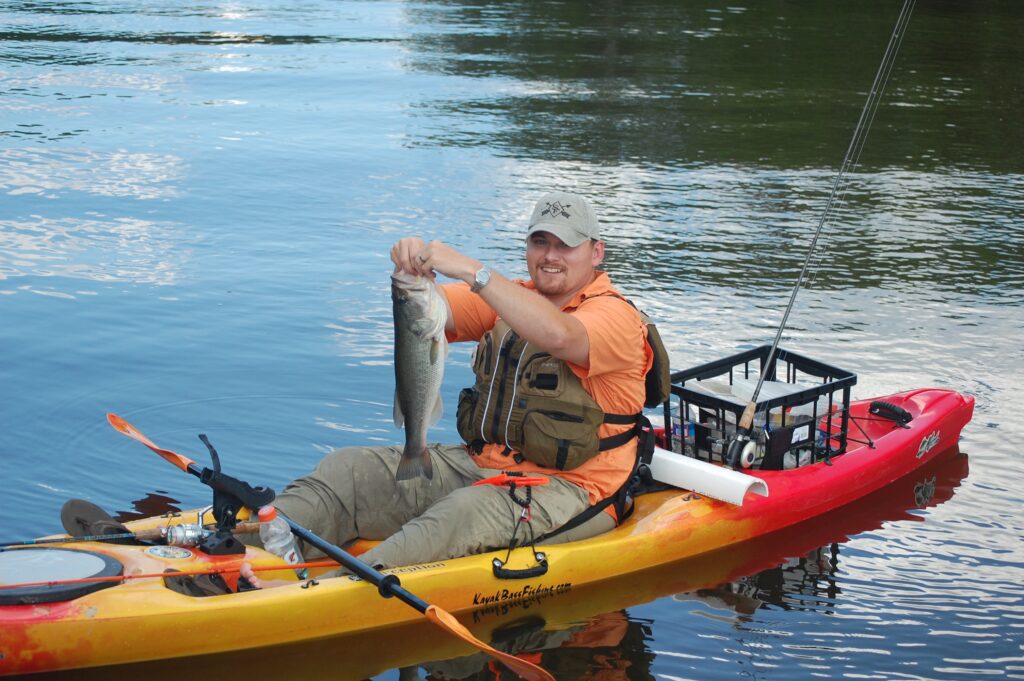
The ability to personalize your fishing vessel to match your specific needs significantly impacts long-term satisfaction with your choice. Modern fishing kayaks offer unprecedented customization potential through track systems, which allow accessories to be added, removed, or repositioned without drilling holes in the hull. These modular systems accommodate everything from rod holders and fish finders to camera mounts and anchor systems with tool-free installation. Canoes, while offering more abundant space for customization, typically require more permanent modifications like drilling and bolting to install accessories securely. The open design of canoes provides excellent access for DIY modifications, with many anglers constructing custom decking systems, storage compartments, or motor mounts. Both vessel types support aftermarket electric trolling motors, though installation approaches differ significantly—kayaks typically use transom-mounted systems while canoes can accommodate both transom and gunwale-mounted options. Consider your comfort level with making modifications and your desire for a personalized setup when evaluating which platform better suits your customization needs.
Making Your Final Decision
Selecting between a canoe and a kayak ultimately requires an honest assessment of your fishing style, physical capabilities, fishing environments, and storage/transportation situation. Consider testing both vessel types through rentals or demo days before committing to a purchase, as theoretical advantages may feel different once you’re actually on the water. Many anglers find that hybrid designs—like wider, more stable fishing kayaks or narrower, more maneuverable canoes—offer the best compromise for their specific needs. Some dedicated anglers eventually acquire both vessel types, using kayaks for solo trips and specific fishing scenarios while maintaining a canoe for tandem outings or gear-intensive expeditions. Remember that no single vessel represents the perfect solution for all fishing situations, but understanding your priorities will guide you toward the option that best enhances your time on the water. Whichever you choose, both canoes and kayaks connect anglers with aquatic environments in intimate ways that larger motorized boats simply cannot match, offering fishing experiences that blend traditional methods with modern innovations.
Conclusions
Whether you ultimately choose the traditional open design of a canoe or the sleek efficiency of a kayak, your selection should align with your fishing aspirations, physical comfort, and practical considerations. Both vessels offer unique advantages that can enhance your angling experience when properly matched to your needs. As fishing technology continues evolving, the distinctions between these watercraft categories increasingly blur, with hybrid designs incorporating the best elements of both traditions. The perfect fishing vessel isn’t necessarily the most expensive or feature-laden option, but rather the one that disappears beneath you on the water, becoming an extension of your fishing style rather than an obstacle to it. By thoughtfully evaluating the factors outlined in this comparison, you’ll be well-equipped to select the watercraft that brings you closer to the fish—and to the serene fishing experiences that draw us all to the water.






Post Comment