Tips for Photographing Your Big Catch at Sea
Capturing the perfect photograph of your prized catch while out at sea combines the thrill of fishing with the art of photography. Whether you’re a seasoned angler or an occasional weekend fisher, documenting your maritime achievements adds another dimension to the experience. A great fishing photograph preserves the memory, allows you to share your success with others, and provides tangible evidence of that “one that didn’t get away.” In this comprehensive guide, we’ll explore how to take stunning photos of your catches, from preparation and timing to composition and editing, ensuring your fishing triumphs are immortalized in the best possible light.
Prepare Your Camera Equipment Before Heading Out
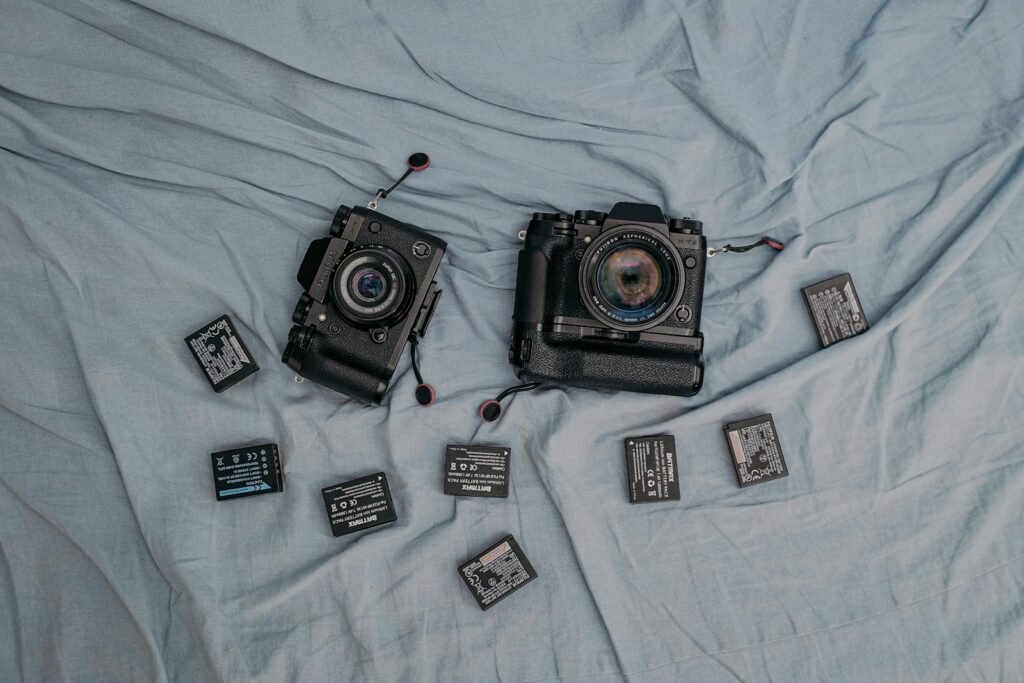
Preparing your photography gear before setting sail is essential for successful fishing photography. First, ensure your camera or smartphone is fully charged and has sufficient storage space for multiple shots—there’s nothing worse than missing the perfect moment because of a dead battery. Second, consider investing in a waterproof case or housing if your device isn’t already water-resistant, as sea spray and wet hands can quickly damage unprotected electronics. Third, bring backup batteries, memory cards, and a microfiber cloth for wiping away water droplets or fish slime that might compromise your shots. Finally, store your equipment in a secure, easily accessible location that protects it from saltwater while allowing you to grab it quickly when that trophy fish comes aboard.
Choose the Right Camera for Maritime Conditions
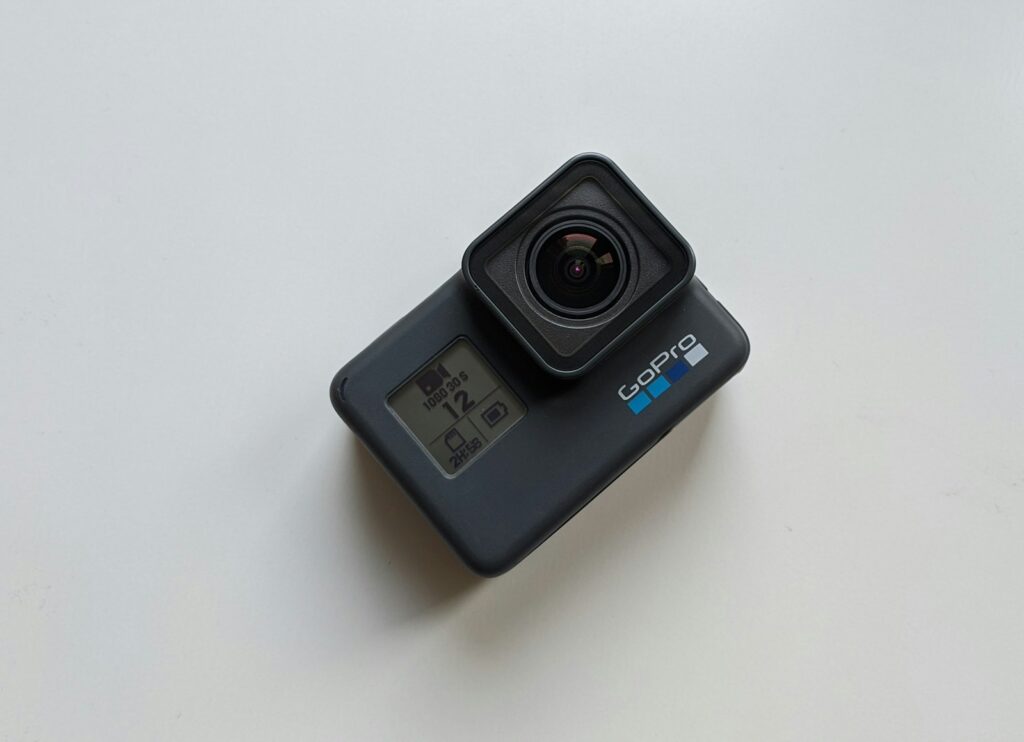
The harsh environment of the open sea demands specific considerations when selecting photography equipment. Action cameras like GoPros excel in maritime settings due to their durability, waterproof capabilities, and wide-angle lenses that capture both the fish and its oceanic context. Smartphones with water resistance offer convenience and increasingly impressive image quality, with the added benefit of immediate sharing capabilities—just ensure they’re secured with a floating wrist strap. DSLR or mirrorless cameras will provide superior image quality and creative control but require extra protection from the elements and careful handling on a potentially unstable boat. Regardless of your choice, prioritize equipment that can withstand splashes, humidity, and the occasional knock against boat fixtures.
Master the Art of Quick Photography
Fish photography at sea often demands speed and efficiency to minimize stress on the catch and maintain its vibrant appearance. Practice accessing your camera quickly—consider wearing it on a secure strap or keeping it in a readily accessible but protected location. Pre-configure your camera settings before the fish is landed, adjusting for the lighting conditions you’re experiencing that day. Learn to frame and focus rapidly, as many fish lose their brilliant colors within minutes of being caught, and their appearance deteriorates the longer they remain out of water. Develop a mental checklist of shots you want to capture so you can work systematically once your catch is secured, rather than wasting precious seconds deciding what to photograph.
Timing Is Everything: The Golden Window
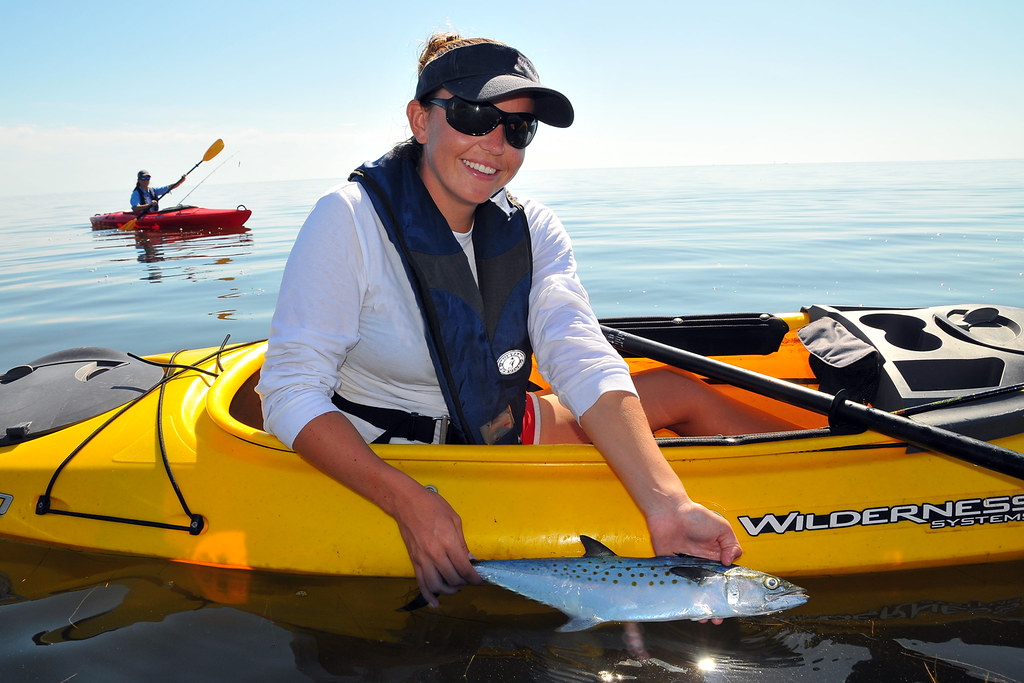
The period immediately after landing your catch provides a critical window for optimal photography. Freshly caught fish display their most vibrant colors and pristine condition during the first 1-2 minutes out of water, before their natural luster begins to fade. This narrow timeframe means efficiency is paramount—have your camera ready before bringing the fish aboard and prioritize photography immediately after securing your catch. For catch-and-release fishing, this timing becomes even more crucial, as minimizing the fish’s time out of water increases its survival chances dramatically. Remember that ethical angling means balancing your desire for a perfect photo with the welfare of the fish, particularly with species that are sensitive to handling or air exposure.
Perfect Your Composition Techniques
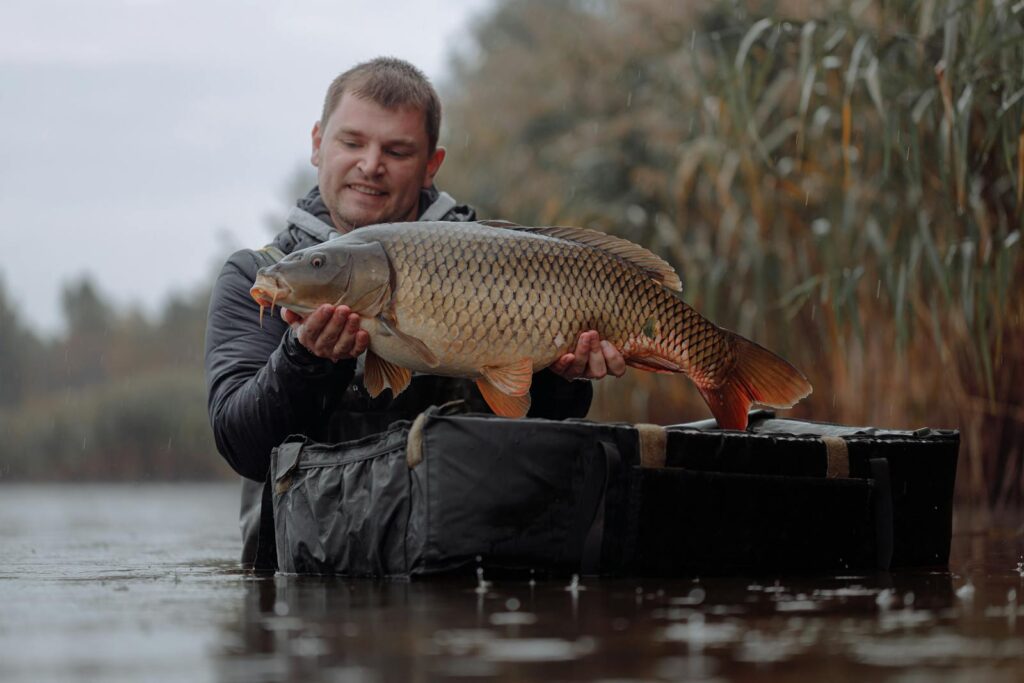
Thoughtful composition transforms an ordinary fish photo into a compelling visual story of your maritime adventure. Position yourself so the sun illuminates your subject rather than creating harsh shadows or forcing you to squint into the light. Apply the rule of thirds by placing the fish’s eye at one of the intersecting points of an imaginary grid that divides your frame into nine equal parts, creating a more dynamic and engaging image. Incorporate environmental context by including elements of the boat, the ocean horizon, or distinctive coastline features that establish the setting of your catch. Experiment with different angles—sometimes shooting slightly upward can make even modest-sized fish appear more impressive and majestic against the sky backdrop.
Handle Your Catch With Care
Proper fish handling serves the dual purpose of preserving the fish’s appearance for photos and ensuring its welfare, especially for catch-and-release practices. Always wet your hands before touching a fish to protect its protective slime coat, which defends against infections and parasites. Support larger fish horizontally with two hands, one near the head and one supporting the belly, rather than holding them vertically by the gills or mouth, which can damage internal organs. Avoid placing fish on dry surfaces like boat decks or sand, which can remove their protective coating and expose them to harmful bacteria. For particularly large catches, consider photographing them partially in the water alongside the boat rather than fully removing them, reducing stress and physical strain on both the fish and the angler.
Lighting Challenges and Solutions at Sea
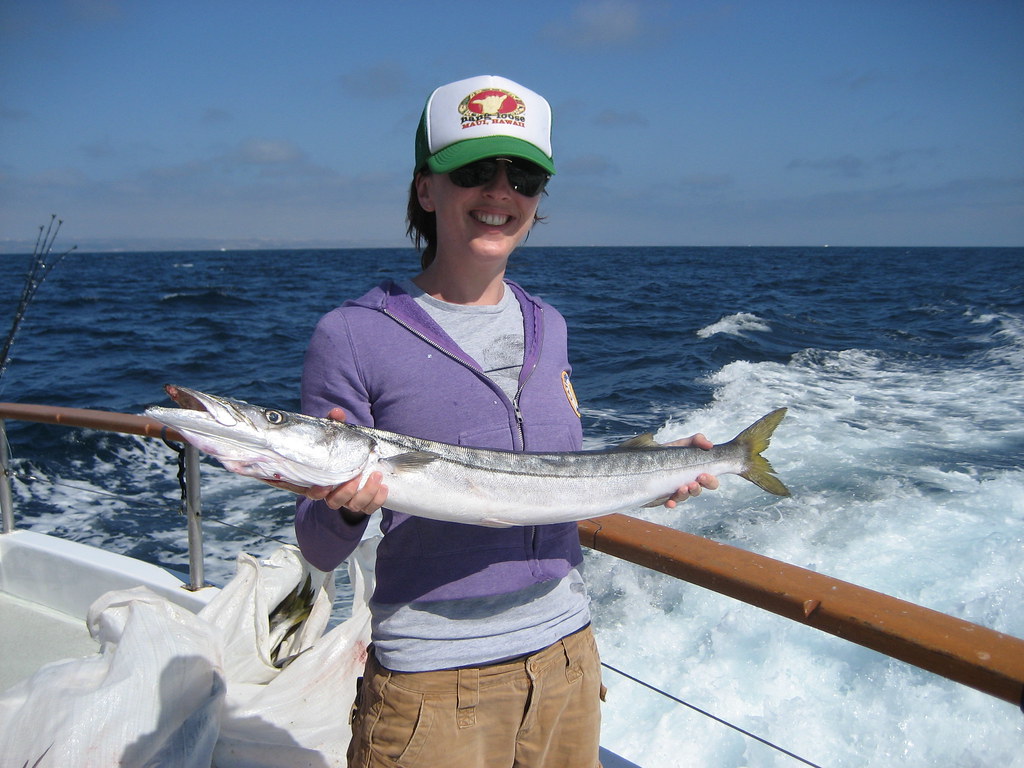
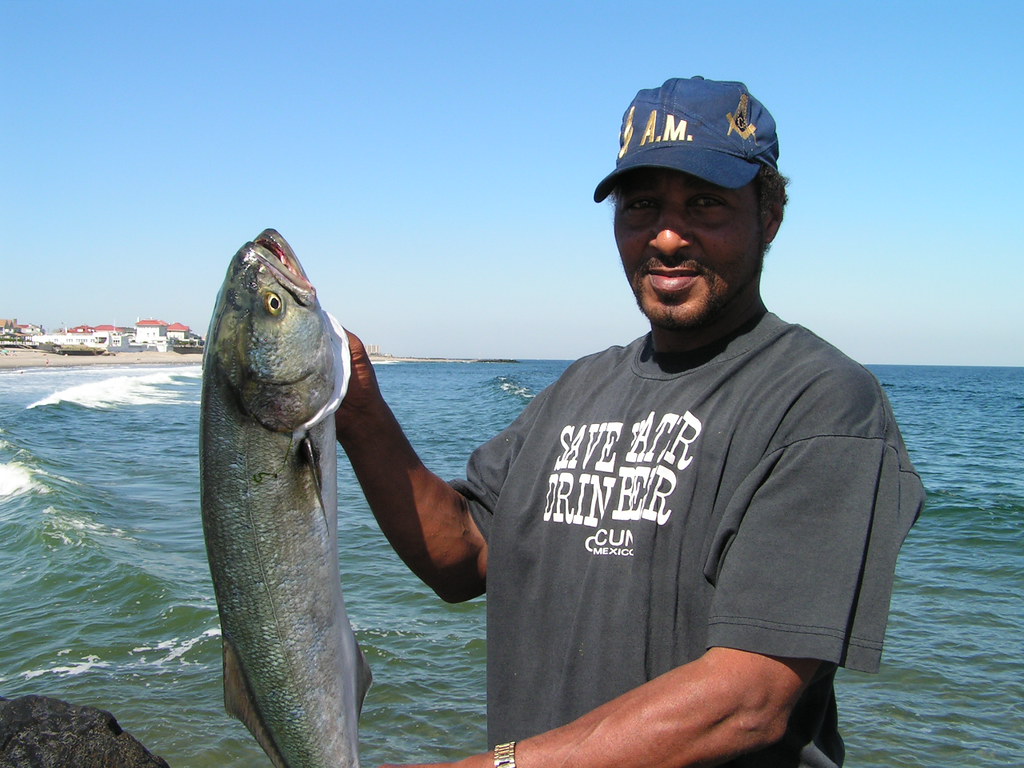
The maritime environment presents unique lighting situations that can make or break your fishing photography. Harsh midday sun creates extreme contrast and reflections off both water and fish scales, often resulting in overexposed highlights and deep shadows that obscure details. Combat this by positioning yourself so your shadow softens the light on the fish, or by using the boat structure to create diffused lighting conditions. Early morning and late afternoon offer the famous “golden hour” light that bathes subjects in warm, flattering illumination, making these prime times for exceptional fishing photos. On overcast days, take advantage of the natural diffusion to capture evenly lit images that showcase the fish’s true colors without harsh shadows, though you may need to increase your exposure slightly to compensate for the reduced light.
Showcase Scale and Perspective

Communicating the true size of your catch requires thoughtful framing and perspective techniques. Hold the fish at arm’s length toward the camera to create a forced perspective that honestly represents its size without resorting to deceptive “long-arm” tricks that experienced anglers immediately recognize. Include standardized reference objects like known fishing gear, measuring devices, or your hand in the frame to provide scale context that validates your achievement. Avoid extreme wide-angle lenses held very close to small fish, which artificially inflate apparent size and undermine your credibility among fellow fishing enthusiasts. When photographing truly exceptional catches, consider having a fishing companion take the photo from a neutral distance that accurately captures both you and the fish in proper proportion.
Capture the Action, Not Just the Result
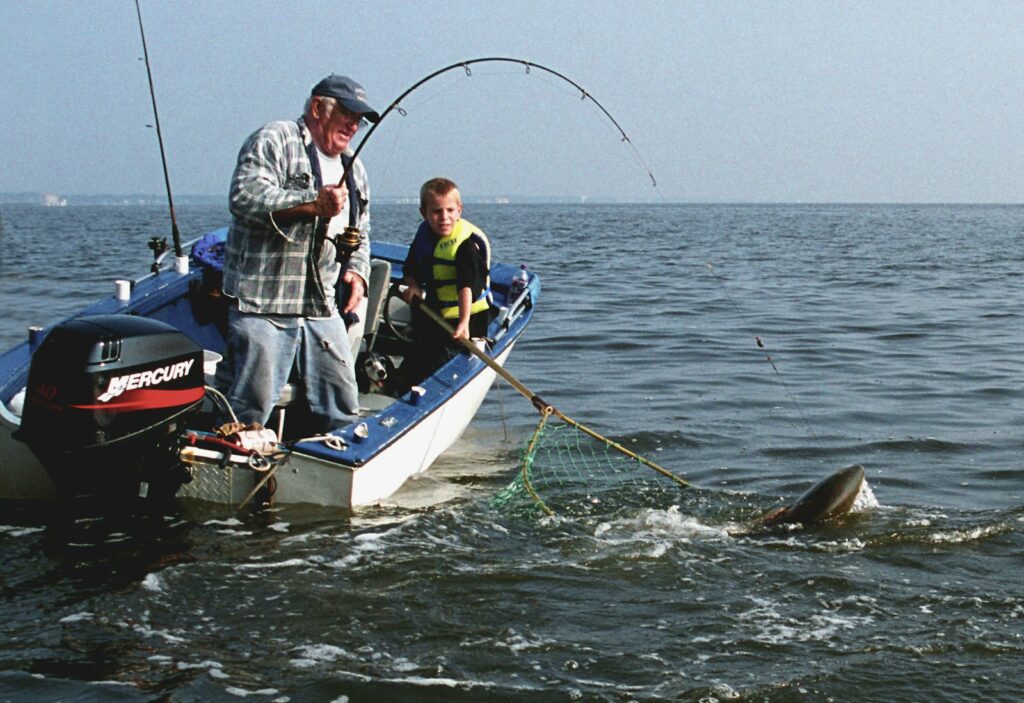
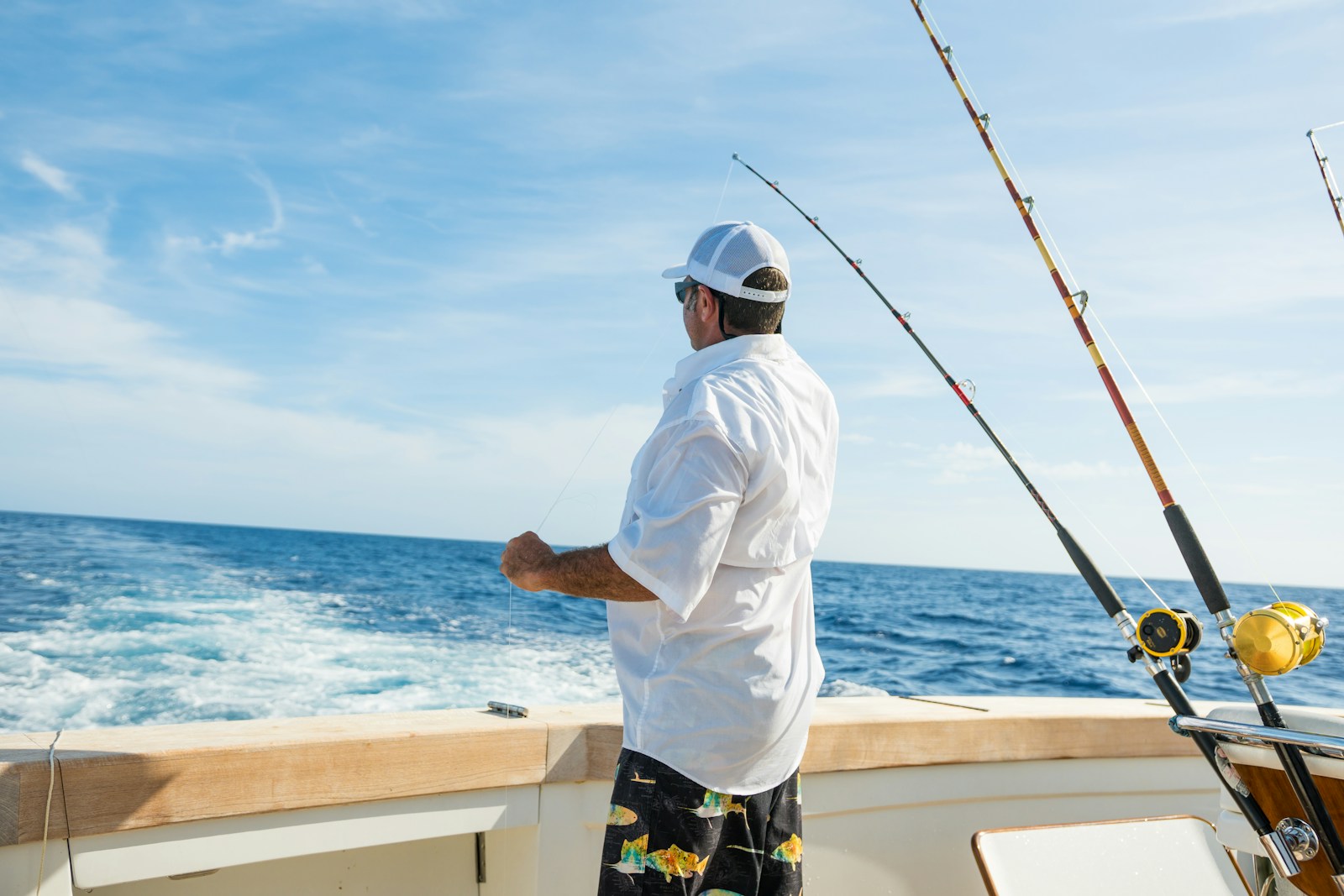
Creating a comprehensive visual story of your fishing experience involves documenting more than just the final trophy shot. Set up your camera for burst mode shooting during the fight to capture the dynamic struggle between angler and fish, complete with splashing water and bent rods that convey the excitement of the moment. Consider mounting an action camera to your hat, chest, or fishing rod to record first-person perspective footage that immerses viewers in the experience. Document the anticipation before the catch with images of baiting hooks, scanning the water, or the camaraderie among fishing companions waiting for action. These contextual images create a richer narrative that communicates both the skill involved and the emotional journey of the fishing experience.
Edit Your Photos Thoughtfully
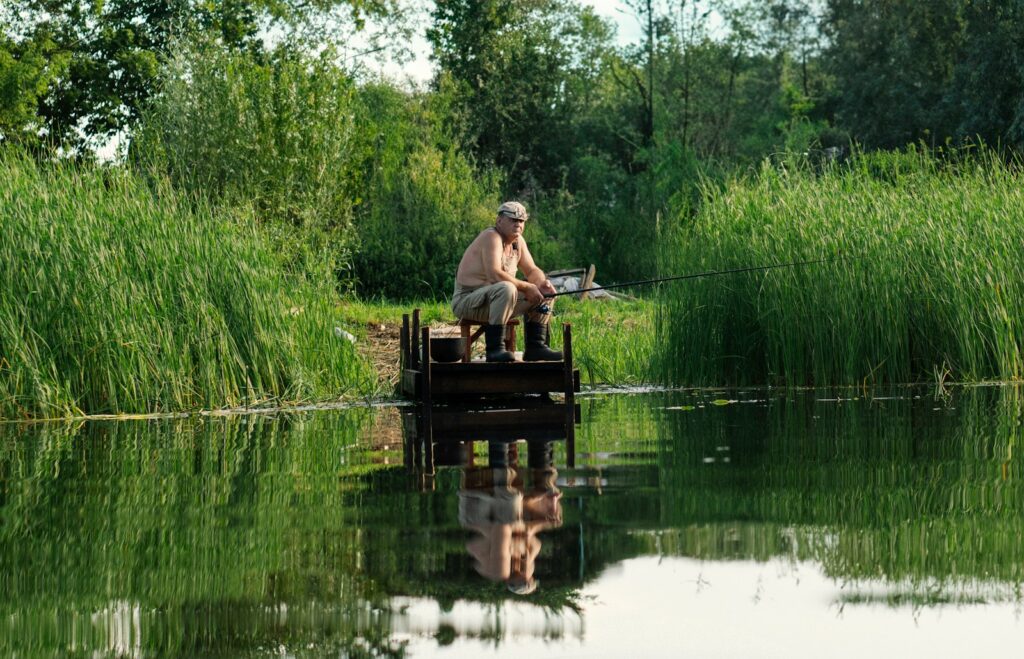
Post-processing can elevate your fishing photographs from good to exceptional when approached with restraint and authenticity. Adjust basic parameters like exposure, contrast, and saturation to compensate for challenging maritime lighting conditions, but avoid excessive manipulation that misrepresents the actual appearance of your catch. Apply subtle sharpening to highlight the textural details of scales, fins, and eyes that make each species distinctive and visually interesting. Consider selective color enhancement to restore the vibrant hues that may have faded during the fish’s time out of water, particularly for species known for their striking coloration. When cropping, maintain the contextual elements that establish the marine setting while eliminating distracting background elements that draw attention away from your primary subject.
Share Your Images Responsibly
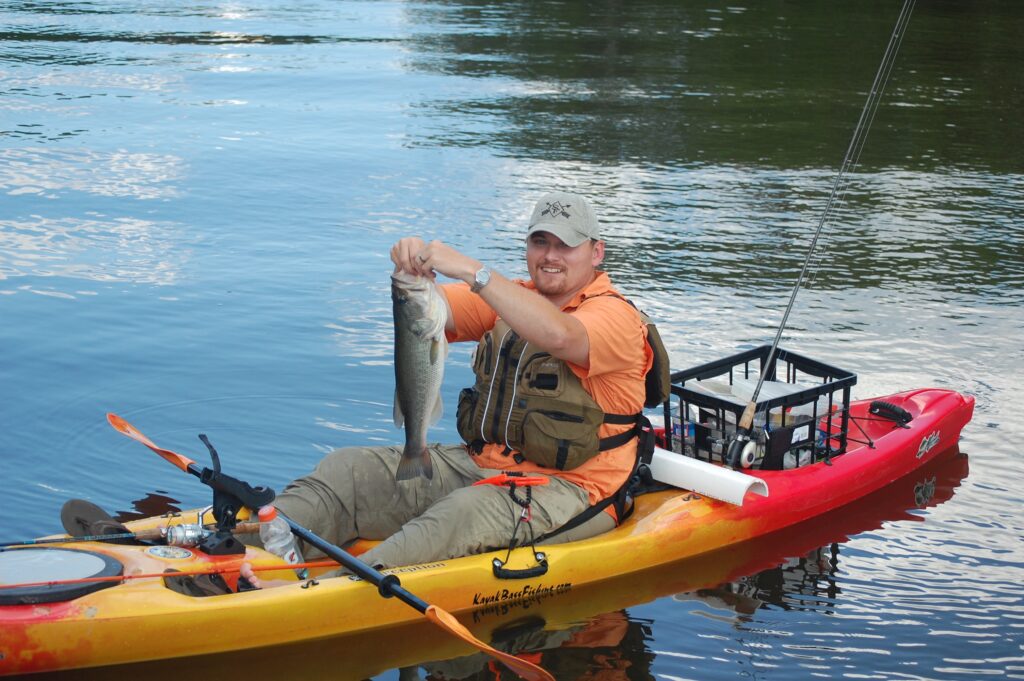
The digital age offers unprecedented opportunities to share your fishing achievements, but doing so thoughtfully preserves both your reputation and the sport itself. Consider the potential ecological impact of revealing specific fishing locations for sensitive or pressured species, particularly when posting to public platforms with geolocation features. Demonstrate ethical fishing practices in your images by showing proper fish handling, appropriate equipment for the target species, and adherence to size and bag limit regulations. Respond constructively to questions or criticism about your fishing methods or photography techniques, recognizing that educational exchanges build community and promote conservation awareness. When posting exceptional catches, provide context about their rarity or significance to avoid creating unrealistic expectations among fellow anglers about typical fishing experiences in that area.
Special Techniques for Underwater Photography
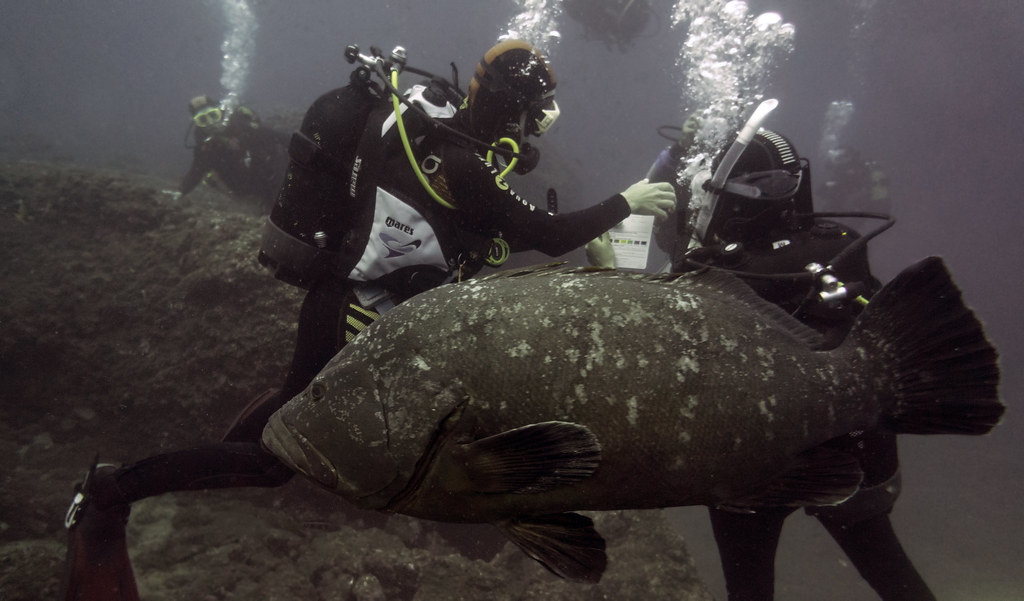
Extending your photography beneath the waves creates distinctive images that showcase fish in their natural environment. Invest in underwater camera equipment appropriate to your budget and experience level, ranging from simple waterproof point-and-shoot cameras to sophisticated underwater housings for DSLR systems. Master the basics of underwater lighting, particularly the fact that water absorbs light wavelengths differently than air, with red colors disappearing first at depth, requiring either artificial lighting or white balance adjustments to restore natural coloration. Position yourself to shoot slightly upward toward the surface when possible, using the sunlight filtering through the water as dramatic backlighting that silhouettes marine subjects. Practice streamlined movement and controlled breathing when snorkeling or diving to avoid startling fish and stirring up sediment that reduces water clarity and compromises image quality.
Create a Fishing Photography Archive

Developing a systematic approach to organizing your fishing photographs transforms a random collection of images into a valuable personal record of your maritime adventures. Establish a consistent file naming convention that includes date, location, and species information, making specific images easily retrievable years later. Tag photos with relevant metadata like species identification, weather conditions, and fishing techniques used, creating a searchable database that reveals patterns in your fishing success over time. Consider creating annual compilations or themed collections that document your progression as both an angler and photographer, highlighting memorable catches and significant milestones in your fishing journey. Backup your fishing photo archive regularly to multiple storage locations, protecting these irreplaceable memories from device failure or accidental deletion.
The art of photographing your catches at sea combines technical skill, environmental awareness, and quick thinking in ever-changing conditions. With preparation, practice, and attention to detail, you can create stunning visual records of your fishing achievements that honor both the beauty of marine life and the thrill of the catch. Whether you’re using sophisticated camera equipment or simply making the most of your smartphone, these techniques will help you capture images that tell the complete story of your maritime adventures—from the anticipation before the strike to the triumphant moment when your prize catch comes aboard. Remember that the best fishing photographs balance impressive presentation with authentic representation, creating images that fellow anglers respect and that you’ll treasure for years to come.






Post Comment