What to Do If You Hook Yourself (It Happens!)
Fishing is one of America’s most beloved pastimes, offering relaxation, connection with nature, and the thrill of the catch. However, even experienced anglers can have accidents, with one of the most common being the dreaded fish hook injury. Whether you’re a seasoned professional or a weekend hobbyist, knowing how to properly handle a hook embedded in your skin can make the difference between a minor inconvenience and a serious medical emergency. This comprehensive guide will walk you through everything you need to know about hook injuries—from prevention to treatment—ensuring you’re prepared if this fishing mishap happens to you.
Understanding the Risks of Hook Injuries
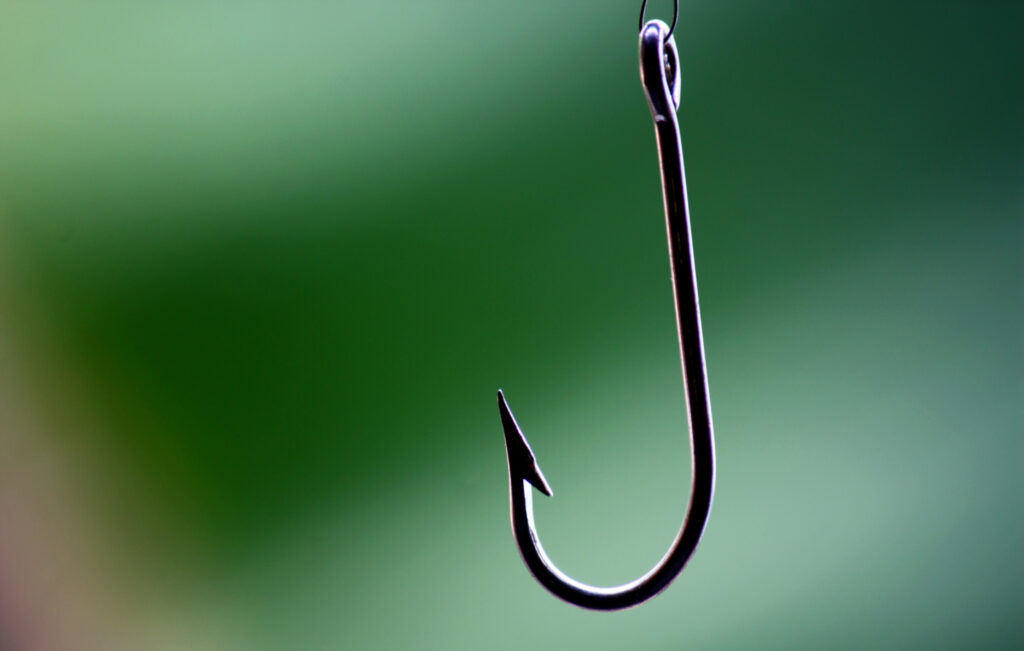
Fish hooks are designed to catch and hold fish, making them equally effective at embedding in human skin. These injuries typically occur during casting, unhooking fish, or handling tackle boxes. Most hook injuries penetrate the hands, fingers, face, scalp, or ears, with varying levels of severity depending on the hook size and type. Barbed hooks present a particular challenge as they’re designed to resist removal. Beyond the immediate pain and bleeding, the primary concerns with hook injuries include infection from bacteria on the hook and potential damage to underlying structures like tendons, nerves, or blood vessels. Understanding these risks emphasizes why proper handling of hook injuries is essential for anyone who enjoys fishing.
Prevention: The Best Medicine

Preventing hook injuries starts with proper fishing etiquette and safety awareness. Always be mindful of your surroundings when casting, ensuring no people are in your line of fire. Wearing protective eyewear can shield your eyes from flying hooks, while gloves provide hand protection when handling fish or removing hooks. Properly storing hooks in tackle boxes with secure compartments rather than loose in pockets or bags significantly reduces the risk of accidental punctures. Teaching children proper casting techniques and hook handling from the beginning instills lifelong safety habits. Remember that many hook injuries occur during moments of distraction or haste, so maintaining focus and taking your time with each fishing action is perhaps the most effective prevention strategy.
Assessing the Severity of Your Hook Injury
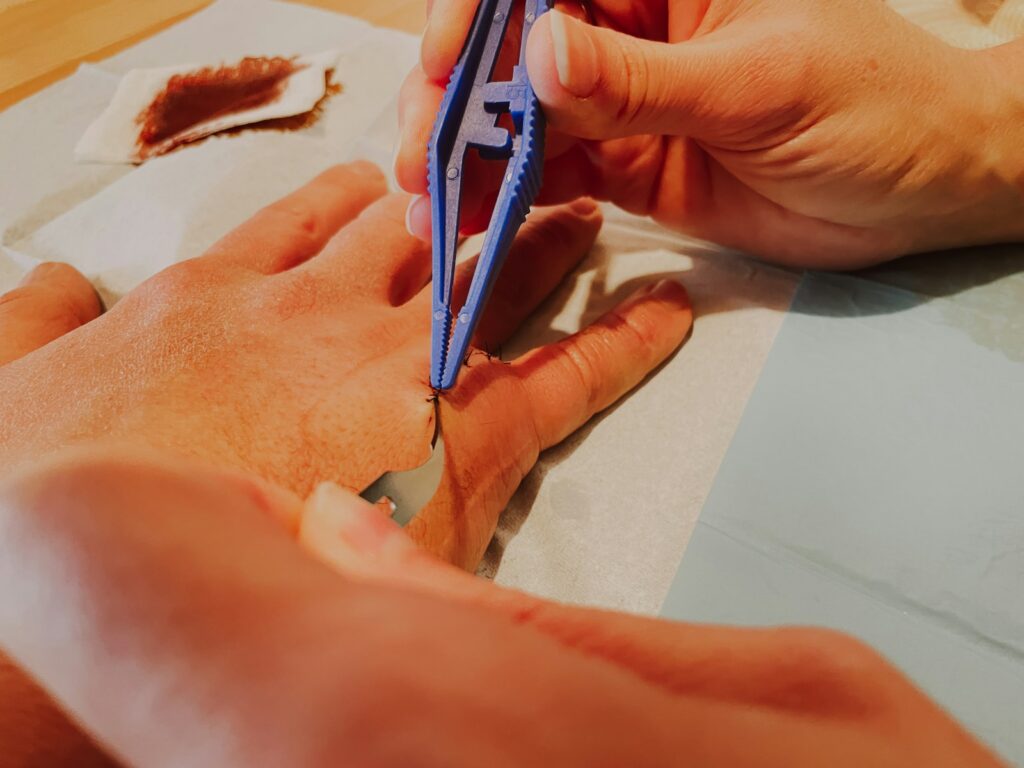
The first step after a hook injury is to calmly assess its severity to determine the appropriate response. A superficial hook that’s only slightly embedded in the outer layers of skin generally poses less risk and may be manageable with self-care techniques. However, certain scenarios require immediate medical attention regardless of how minor the injury appears. If the hook is embedded near or in an eye, face, joint, or genitals, seek emergency care immediately. Similarly, if the hook has penetrated deeply into muscle tissue, hit a major blood vessel with significant bleeding, or if you notice signs of severe allergic reaction such as difficulty breathing or swelling beyond the injury site, professional medical care is essential. When in doubt about the severity, it’s always safer to consult with healthcare professionals rather than risk complications from improper self-treatment.
Essential First Aid Supplies for Anglers
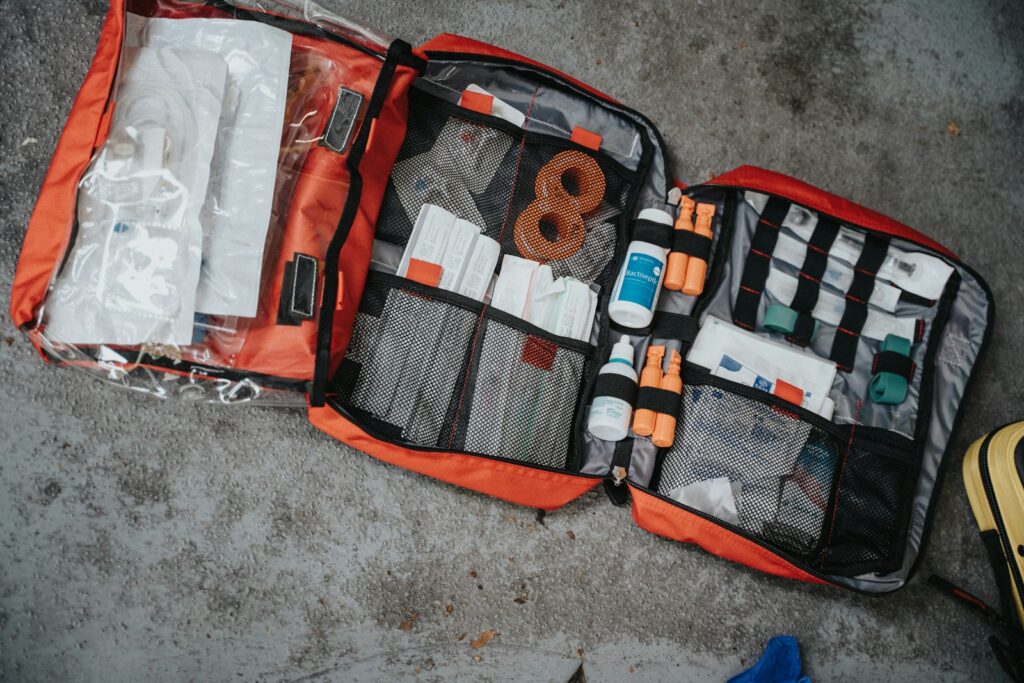
Every fishing enthusiast should maintain a well-stocked first aid kit specifically designed for addressing hook injuries and other fishing-related accidents. This specialized kit should contain antiseptic wipes or solution for cleaning the wound, sterile gauze pads and adhesive bandages in various sizes for covering the injury after hook removal, and medical tape to secure dressings. Include needle-nose pliers or hemostats specifically for hook removal, sharp wire cutters capable of snipping through hooks, and clean fishing line for the string-yank method (detailed later). Antibiotic ointment helps prevent infection once the hook is removed, while over-the-counter pain relievers can manage discomfort during and after the incident. Tweezers, disposable gloves, and hand sanitizer round out a comprehensive fishing first aid kit that can make a significant difference in effectively managing a hook injury on the water.
The String-Yank Method for Removing Hooks
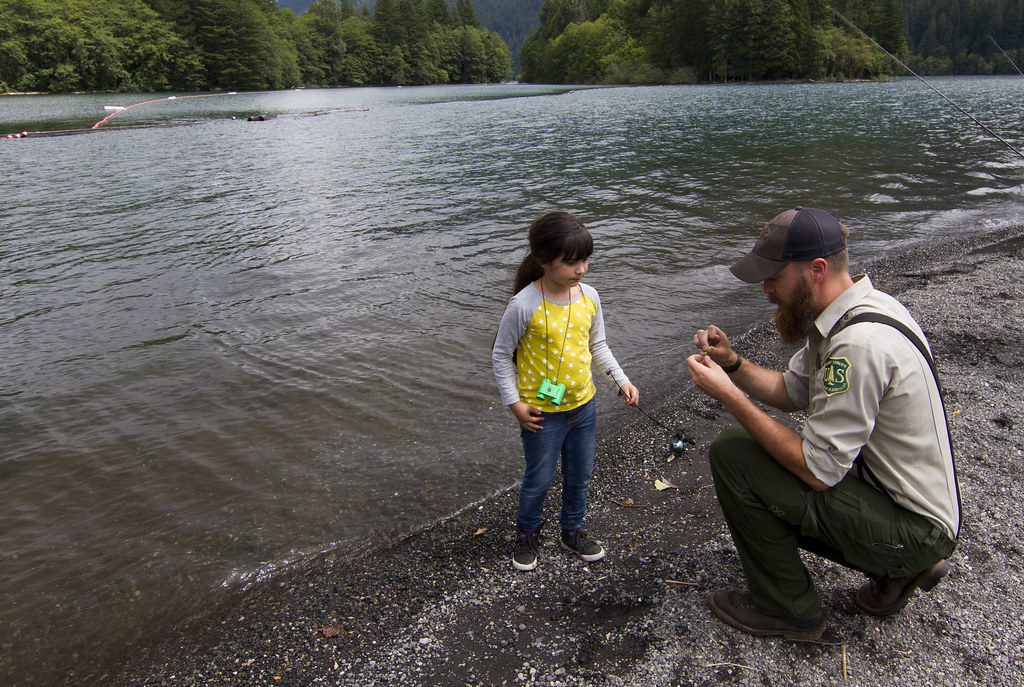
The string-yank technique is one of the most effective methods for removing a barbed hook from the skin, particularly for hooks embedded in fleshy areas like hands, arms, or legs. Begin by wrapping about 2-3 feet of strong fishing line, dental floss, or string around the bend of the hook, as close to the skin as possible. Next, press down gently on the eye of the hook (the part where the fishing line attaches) to disengage the barb from the tissue. While maintaining this pressure, quickly and firmly yank the string parallel to the skin in the direction opposite to how the hook entered. This rapid motion pulls the hook out along its curved path, minimizing tissue damage. The key to success with this method lies in the quickness of the pull—hesitation often leads to failed attempts and increased pain. When executed correctly, the hook typically pops out with minimal additional discomfort beyond the initial injury.
The Push-Through Method for Hook Removal

Sometimes a hook penetrates deeply enough that the barb is fully embedded, making the string-yank method difficult or impossible. In these cases, the push-through technique may be necessary, though it should be approached with caution. First, clean the hook and surrounding skin with antiseptic solution. Then, firmly grasp the hook and push it forward along its curved path until the barb and point emerge through the skin at a new exit point. Once the barbed portion is visible, use wire cutters to snip off the barb and point, being careful not to pinch the skin. With the barb removed, you can now safely back the remainder of the hook out through the original entry wound. This method typically results in two small wounds rather than one larger one from forcing the barb backward. While effective, this technique can be more painful and creates an additional wound, increasing infection risk, so it should be used only when necessary.
When to Cut the Barb Before Removal

In situations where neither the string-yank nor the standard push-through method seems appropriate, cutting the barb may be your best option, particularly for hooks deeply embedded in thicker tissue. This approach begins with proper disinfection of both the wound area and the wire cutters you’ll be using. If the hook point and barb are accessible (either naturally exposed or after pushing the hook further through), position the wire cutters as close to the barb as possible to minimize the cutting area. With steady hands, cut the barb off completely, taking care not to cause additional tissue damage or let the severed barb fall into the wound. Once the barb is removed, the remaining hook can be backed out through the entry point with significantly less resistance and tissue damage. This method is particularly useful for larger hooks with substantial barbs that would cause excessive trauma if removed intact, but requires quality wire cutters that can cleanly sever the hook material without creating sharp edges.
Proper Wound Care After Hook Removal
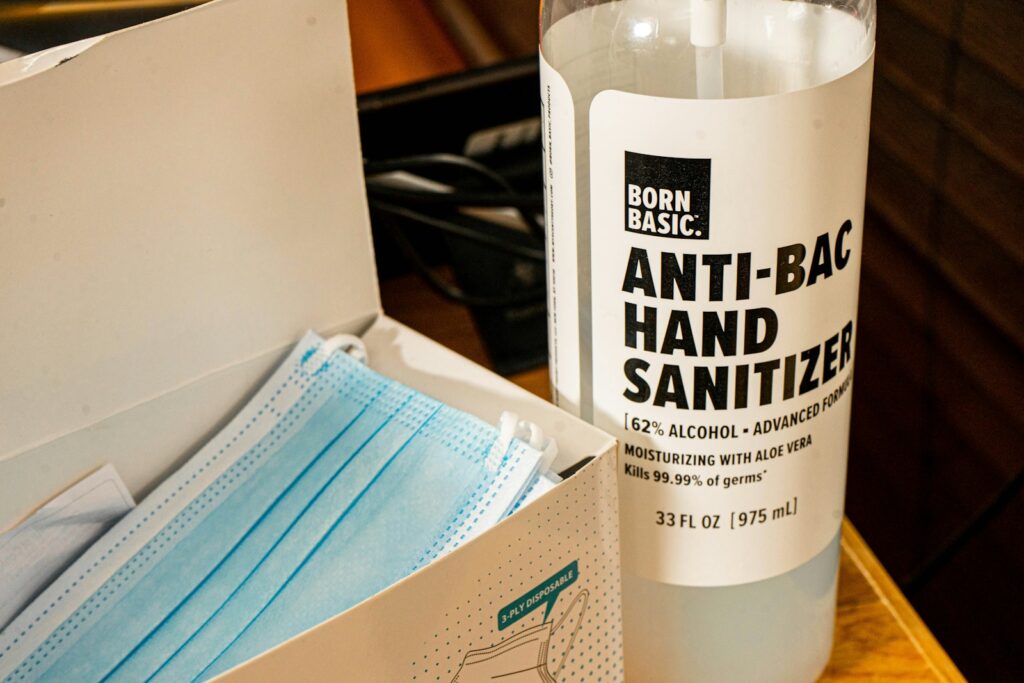
Once the hook has been successfully removed, proper wound care is essential to prevent infection and promote healing. Begin by thoroughly cleaning the wound with clean water and mild soap or an antiseptic solution, gently removing any debris or residue from the fishing environment. Apply gentle pressure with a clean gauze pad if there’s bleeding, typically for 5-10 minutes until it stops. After cleaning, apply an appropriate antibiotic ointment to the wound and cover it with a sterile bandage, changing the dressing daily or whenever it becomes wet or dirty. Monitor the wound closely for signs of infection such as increasing redness, warmth, swelling, throbbing pain, pus, or red streaks extending from the wound site. Keep the injured area elevated when possible to reduce swelling, and consider taking over-the-counter pain relievers according to package directions if discomfort persists. Remember that hook wounds create punctures that can trap bacteria deep in tissues, making thorough cleaning and consistent monitoring particularly important.
Recognizing Signs of Infection
Fish hooks can introduce bacteria from both the water environment and the hook itself, making infections a common complication of these injuries. Early recognition of infection signs is crucial for prompt treatment. Watch for increasing pain, redness, or swelling that extends beyond the immediate injury site, particularly if these symptoms worsen rather than improve after 24-48 hours. Unusual warmth around the wound, throbbing pain, or the presence of pus or cloudy discharge suggests bacterial infection requiring medical attention. Systemic symptoms like fever, chills, or swollen lymph nodes near the injury indicate the infection may be spreading beyond the local wound. Red streaks extending from the wound toward the heart are particularly concerning as they may indicate lymphangitis or developing blood poisoning. If you observe any of these warning signs, don’t attempt to manage the infection yourself—seek medical care promptly as antibiotics or other professional treatments may be necessary to prevent serious complications.
When to Seek Emergency Medical Care
While many hook injuries can be safely managed with proper first aid, certain situations demand immediate professional medical attention. Any hook embedded in or near the eyes, face, neck, joints, or genitals should be evaluated by medical professionals due to the risk of damage to critical structures. Deep penetration into muscle tissue, especially if you suspect the hook has contacted bone, tendon, or nerve tissue, requires proper evaluation and possible imaging studies. Hooks contaminated with rust, bait, or visibly dirty materials carry a higher infection risk and may warrant professional cleaning and possibly tetanus prophylaxis. Excessive bleeding that doesn’t stop with 15 minutes of direct pressure indicates possible damage to significant blood vessels requiring medical intervention. Additionally, any sign of severe allergic reaction to the hook material, such as widespread hives, facial swelling, or difficulty breathing, constitutes a medical emergency requiring immediate care.
Tetanus Concerns with Hook Injuries
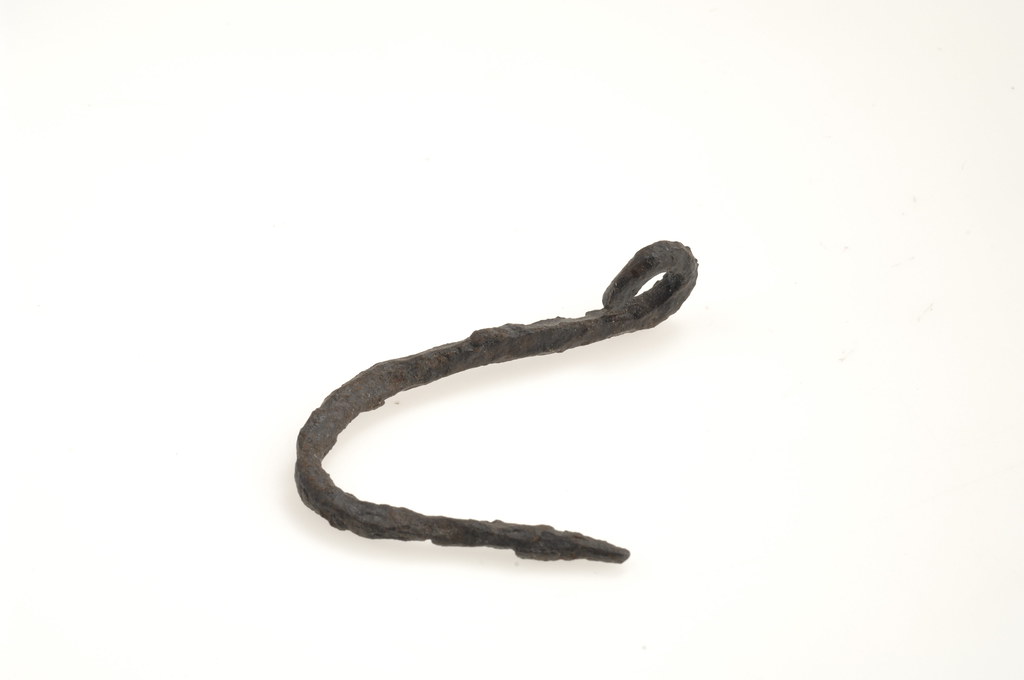
Hook injuries create puncture wounds that provide an ideal environment for Clostridium tetani, the bacterium causing tetanus, to thrive in oxygen-deprived deeper tissues. Rusty hooks don’t directly cause tetanus, contrary to popular belief, but they may harbor the bacteria which is commonly found in soil and dust. Current recommendations suggest seeking tetanus prophylaxis if your last tetanus shot was more than 5 years ago for dirty wounds or more than 10 years ago for clean wounds. Typical symptoms of tetanus include jaw cramping, painful muscle spasms, difficulty swallowing, and stiffness in the neck and abdomen, usually appearing 3-21 days after injury. If you’re uncertain about your vaccination status, it’s safest to consult with a healthcare provider after a hook injury, as tetanus is a serious condition with a high mortality rate if left untreated. Many urgent care facilities and emergency departments can provide tetanus boosters if needed.
Handling Special Hook Types: Treble Hooks and Lures
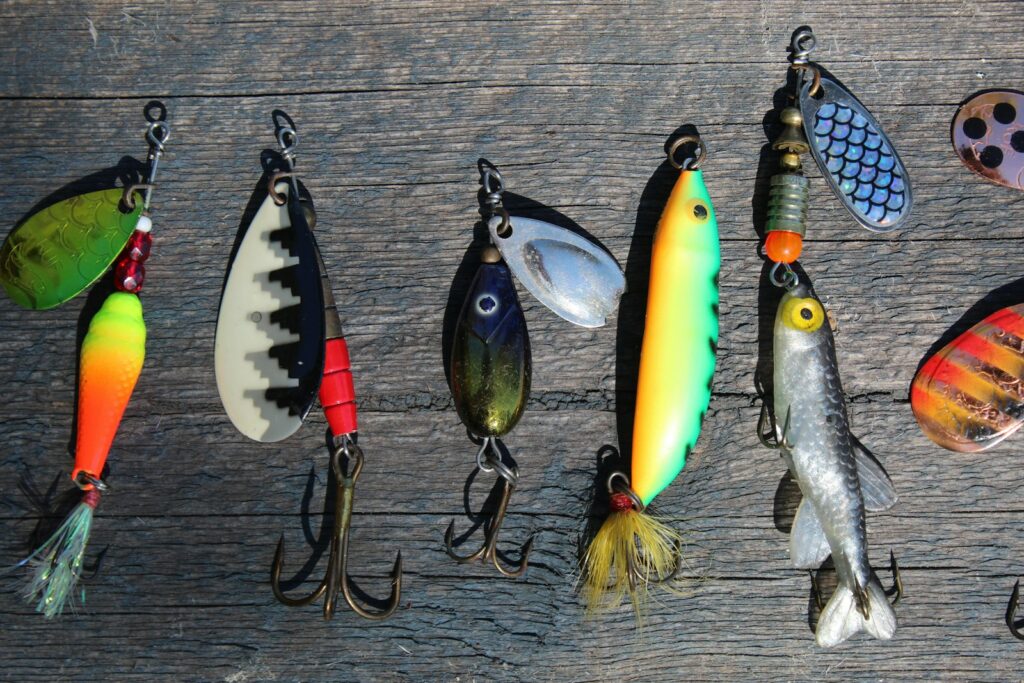
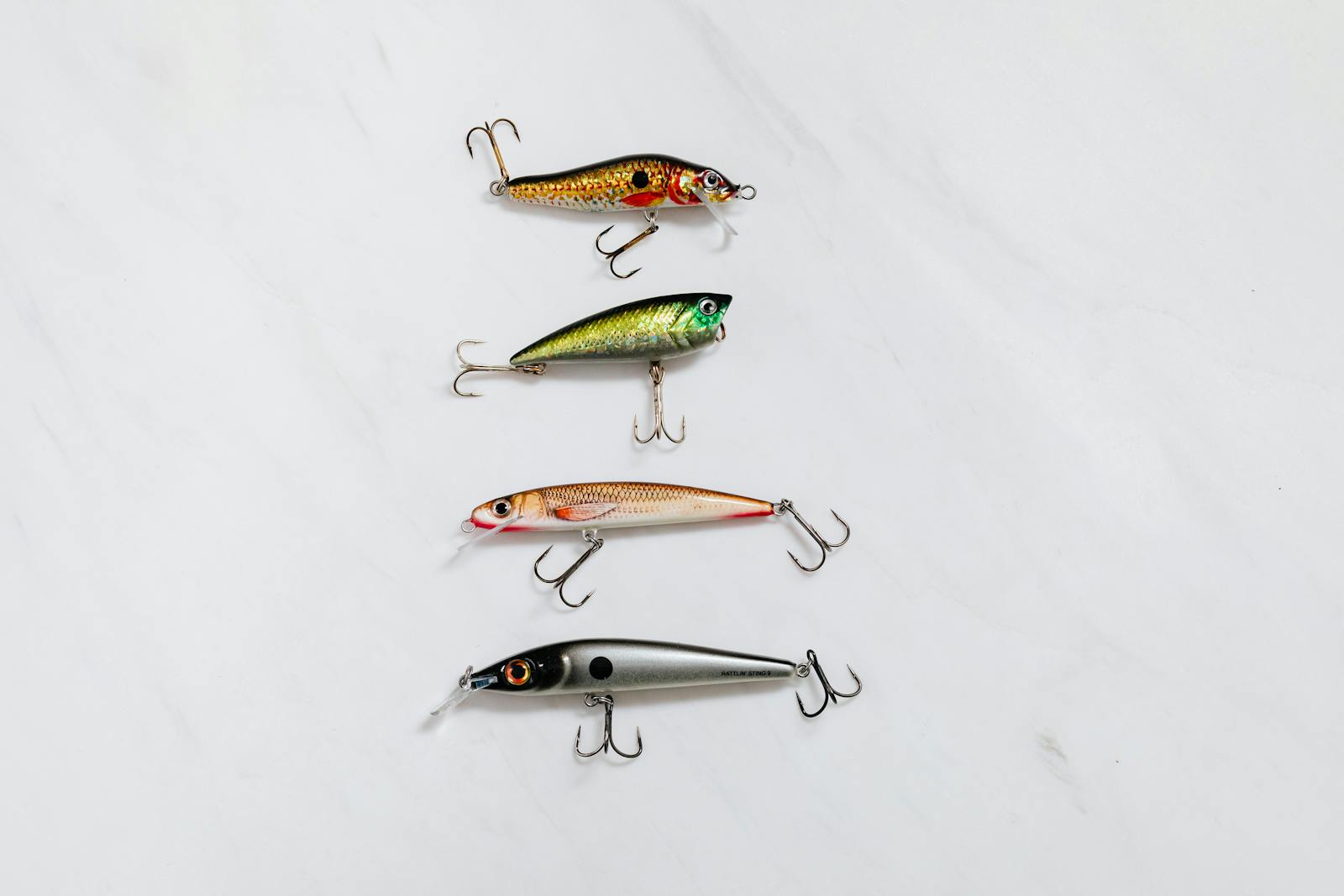
Treble hooks and complex lures present unique challenges when they become embedded in skin due to their multiple points and awkward configurations. When dealing with a treble hook injury, first identify which point or points have penetrated the skin and assess whether uninvolved points might cause additional injury during removal attempts. If possible, carefully cut away uninvolved hook points using wire cutters before attempting to remove the embedded point using standard removal techniques. For lures with multiple components, stabilize the entire lure to prevent movement that could cause additional trauma from other hooks or sharp elements. In cases where the lure is heavy or has multiple deeply embedded points, covering the exposed hooks with cork or foam can prevent accidental further injuries while seeking medical assistance. Due to their complexity, treble hook injuries often benefit from professional medical removal, especially when located in sensitive areas or when multiple points are embedded deeply.
Teaching Children About Hook Safety
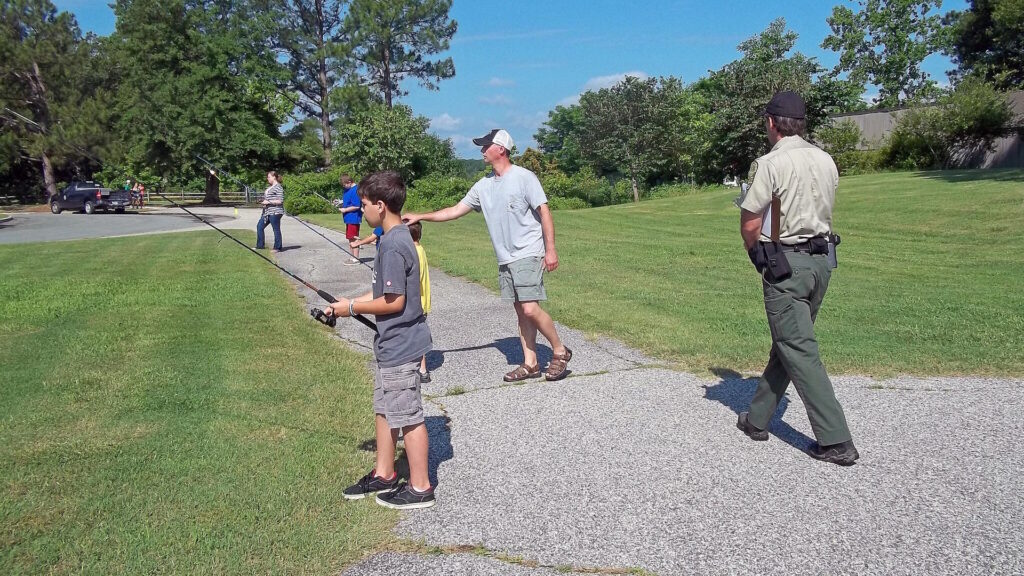
Introducing children to fishing provides wonderful opportunities for outdoor education and building confidence, but requires careful attention to hook safety. Begin by teaching proper casting techniques in open areas away from others, emphasizing awareness of surroundings before every cast. Consider using barbless hooks for young anglers, which cause less damage if an accident occurs and are much easier to remove. Some parents find it helpful to use rubber practice casting plugs for initial casting lessons before introducing actual hooks. Establish clear rules about never running with fishing rods and keeping hook points pointed downward when walking. Demonstrate proper fish handling techniques that minimize hook exposure, and supervise young children closely when they’re removing hooks from fish. Creating a positive but safety-conscious atmosphere helps children develop respect for fishing equipment without developing fear, setting the foundation for a lifetime of safe fishing enjoyment.
Recovery and Returning to Fishing
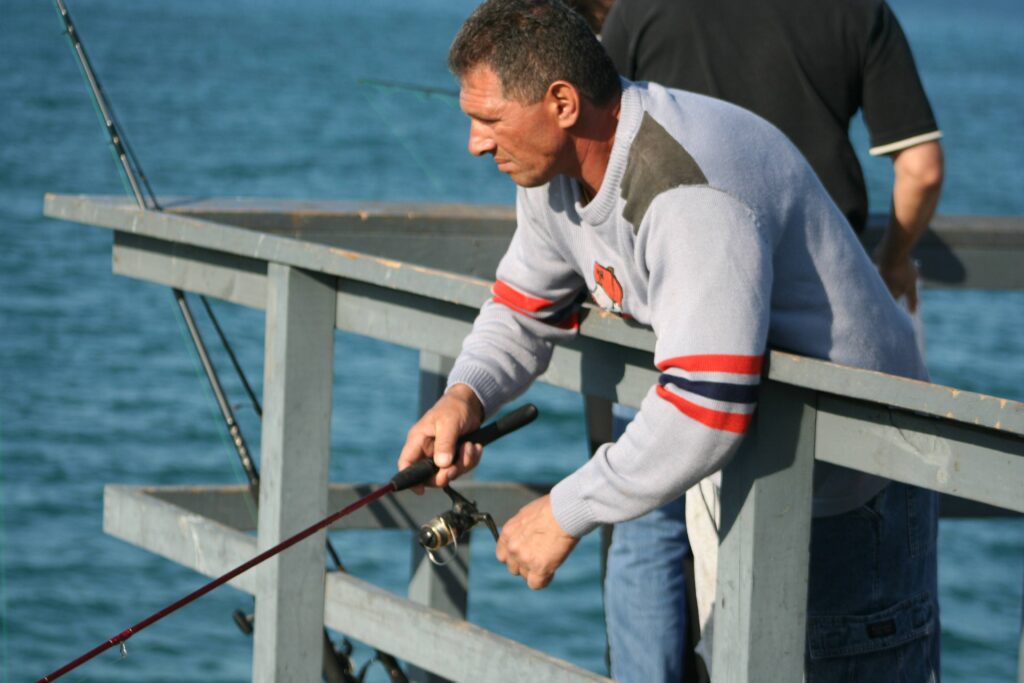
After experiencing a hook injury, many anglers wonder when it’s safe to return to their beloved pastime. For minor injuries properly treated, you can typically resume fishing once the initial pain subsides and you can comfortably grip and manipulate your equipment, though you should keep the wound clean and covered. More severe injuries may require a healing period of several days to weeks, particularly if the wound was deep, required medical intervention, or shows any signs of infection. During recovery, consider whether equipment modifications might prevent future injuries, such as switching to barbless hooks or using tools like hook removers that keep fingers away from hook points. Many anglers find that reflecting on the circumstances that led to their injury helps them develop better awareness and safer habits. Remember that psychological recovery matters too—some anglers, especially children, may need time to rebuild confidence after a frightening hook accident before fully enjoying fishing again.
Hook injuries are an unfortunate reality of fishing, but with proper knowledge and preparation, they don’t have to end your fishing trip or lead to serious complications. By understanding prevention techniques, mastering appropriate removal methods, and knowing when to seek medical help, you can handle these situations calmly and effectively. Remember that proper wound care after hook removal is just as important as the removal itself in preventing infection and ensuring complete healing. Keep your first aid kit well-stocked, your tetanus vaccination current, and your hook safety awareness sharp—then you can focus on enjoying the fishing experience with confidence, even if you occasionally have to deal with this common fishing mishap.




Post Comment