The Best Fly Fishing Spots Along the Snake River
The Snake River, winding its majestic course through Wyoming, Idaho, Oregon, and Washington, represents one of North America’s premier fly fishing destinations. With its diverse ecosystems, abundant trout populations, and breathtaking scenery, this iconic waterway offers anglers an unparalleled fishing experience. From technical dry fly fishing to thrilling streamer action, the Snake River provides opportunities for every skill level and preference. Whether you’re casting under the shadow of the Tetons or drifting through Hell’s Canyon, the Snake’s various sections each offer their own unique character and fishing conditions. In this comprehensive guide, we’ll explore the most rewarding fly fishing locations along this legendary river, along with tips for making the most of your angling adventure.
Jackson Hole Section – Wyoming’s Crown Jewel
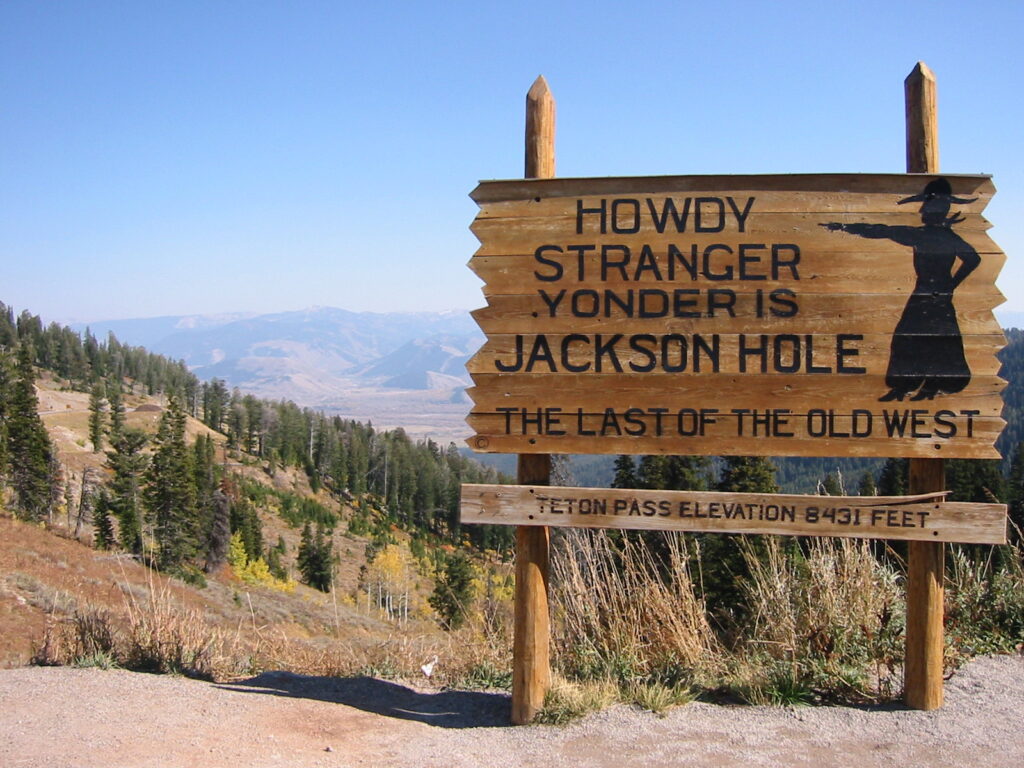
The Snake River’s journey through Jackson Hole, Wyoming, offers some of the most picturesque and productive fly fishing in the entire watershed. This stretch is renowned for its native fine-spotted cutthroat trout, which can grow to impressive sizes and eagerly rise to well-presented dry flies. The backdrop of the majestic Teton Range creates an almost surreal fishing environment that combines world-class angling with unmatched natural beauty. Most anglers access this section via drift boats, allowing them to cover more water and reach less-pressured fish, though there are also excellent wade fishing opportunities at access points like Pacific Creek and Moose Landing. The peak season runs from July through October, with terrestrial patterns like hoppers and beetles producing exciting surface action during late summer months.
South Fork of the Snake – Idaho’s Blue-Ribbon Waters

Below Palisades Dam in eastern Idaho, the South Fork of the Snake emerges as one of the most productive trout fisheries in the United States. This 66-mile stretch supports an extraordinary population of Yellowstone cutthroat, brown, and rainbow trout, with fish counts often exceeding 5,000 trout per mile in prime sections. The river flows through three distinct canyons – the tailwater, canyon, and farmland sections – each offering different fishing experiences and scenic qualities. The South Fork is particularly famous for its prolific hatches, including salmon flies, PMDs, green drakes, and mahogany duns, creating world-class dry fly opportunities throughout the season. Conservation efforts have focused on preserving the native Yellowstone cutthroat population, with anglers encouraged to harvest non-native rainbow trout to reduce hybridization threats.
Henrys Fork Confluence Area – The Mixing Zone
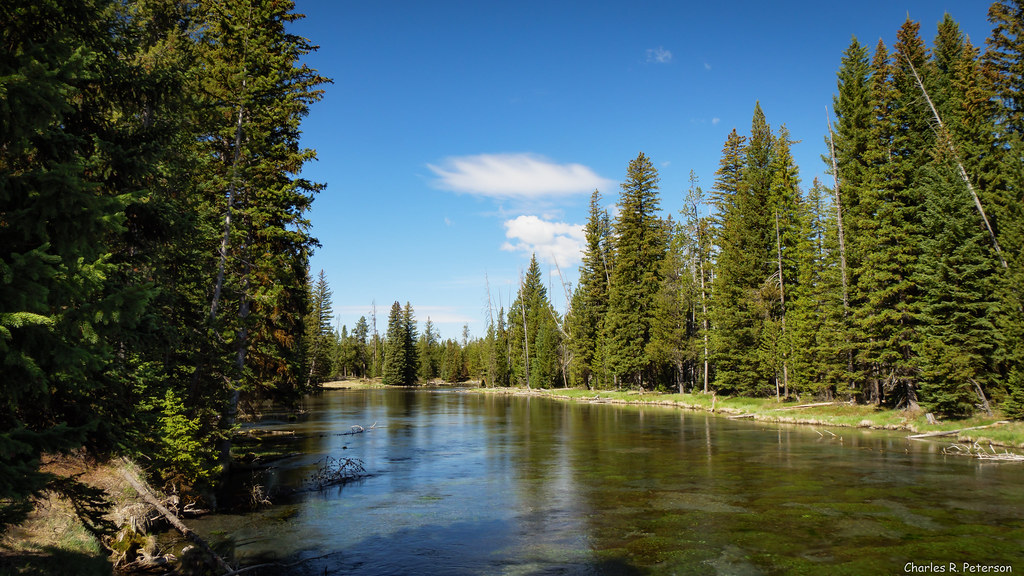
Where the crystal-clear waters of the Henrys Fork join the Snake River, anglers discover a productive mixing zone that attracts feeding trout throughout the season. This confluence creates diverse feeding lanes and holding water that concentrates fish, especially during significant insect hatches or when water conditions change in either tributary. Large brown trout often stake out territory in the deeper runs and undercut banks of this section, making it an excellent destination for those targeting trophy fish. The varied water types in this area require versatility in fishing techniques, from technical dry fly presentations in the slower eddies to heavy nymph rigs in the faster, deeper seams. Access can be challenging in some areas, making a guided float trip the most effective way to fully explore this dynamic section of river.
Swan Valley to Idaho Falls – The Transitional Waters
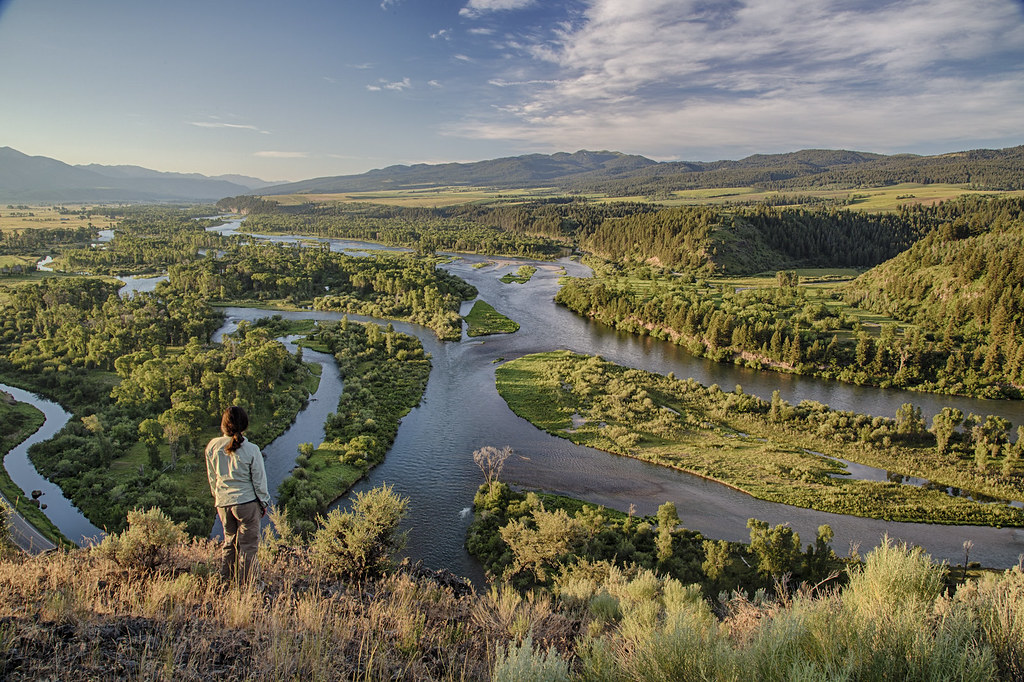
As the Snake flows from Swan Valley toward Idaho Falls, it transitions from a mountain river to a more meandering valley waterway, creating diverse habitat that supports robust trout populations. This less-pressured stretch offers anglers more solitude than the famous South Fork, yet still maintains excellent fishing quality with a mix of rainbow, brown, and cutthroat trout. The river in this section features extensive riffles, long runs, and deep pools, providing varied fishing opportunities through changing seasons and water conditions. Terrestrial fishing shines in late summer, with grasshopper patterns producing explosive strikes along the grassy banks. Winter fishing can be exceptional in this stretch as well, with midges and small blue-winged olive patterns working well during the warmer parts of winter days when trout feed more actively.
American Falls Reservoir Tailwater – Trophy Hunting Grounds
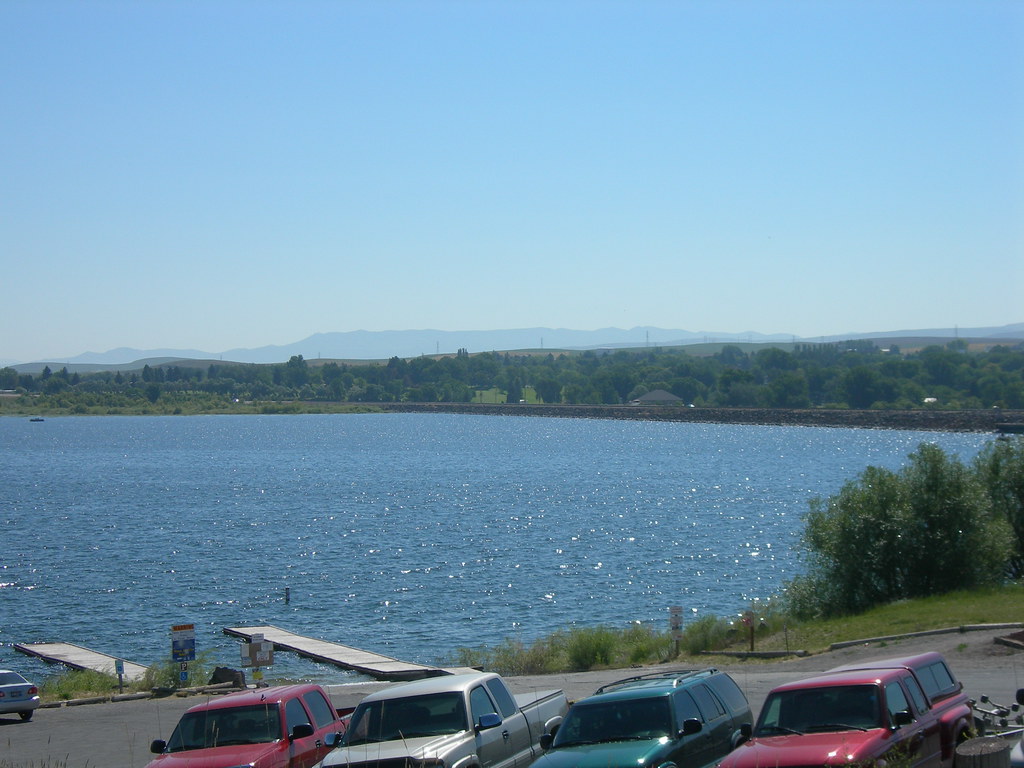
Below American Falls Dam, the Snake River transforms into a tailwater fishery that produces some of the largest trout in the entire system. This nutrient-rich section supports exceptional growth rates for rainbow and brown trout, with fish exceeding 20 inches relatively common for experienced anglers. The consistent water temperatures and flow releases from the dam create favorable conditions year-round, though spring and fall typically offer the most productive fishing. Large streamers and nymph patterns that imitate the abundant food sources – including leeches, scuds, and baitfish – often produce the biggest fish in this section. The landscape shifts dramatically here from the mountainous upper reaches, with the river now flowing through a more desert-like environment that features volcanic rock formations and wide-open skies.
Twin Falls Area – The Canyon Country
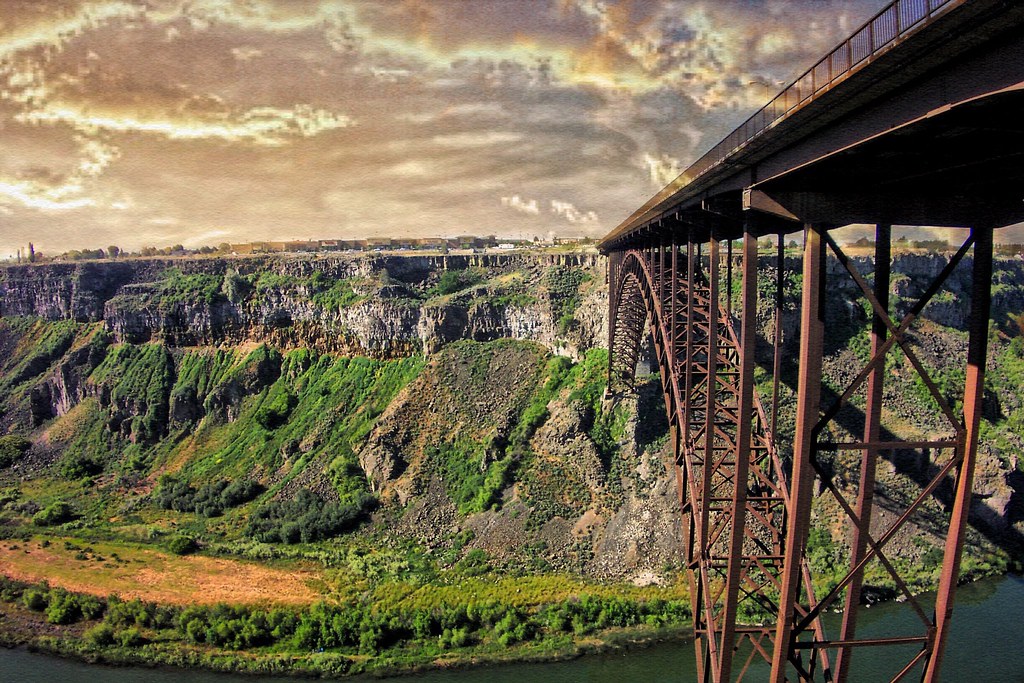
Near Twin Falls, Idaho, the Snake River carves through an impressive canyon landscape, creating both scenic beauty and excellent fishing opportunities in a dramatic setting. This section is characterized by its slower, deeper water that holds larger rainbow and brown trout, as well as smallmouth bass and sturgeon in certain areas. The famous Perrine Bridge spans the canyon 486 feet above the river, providing a stunning backdrop for anglers working the pools and eddies below. Access points include Centennial Park and downstream at Pillar Falls, where wade fishing becomes possible during lower water periods. The diverse fishery here requires adaptable tactics, from deep nymphing techniques to streamer fishing along the rocky structures that create prime holding water for predatory browns.
Hagerman Valley – The Spring Creek Paradise
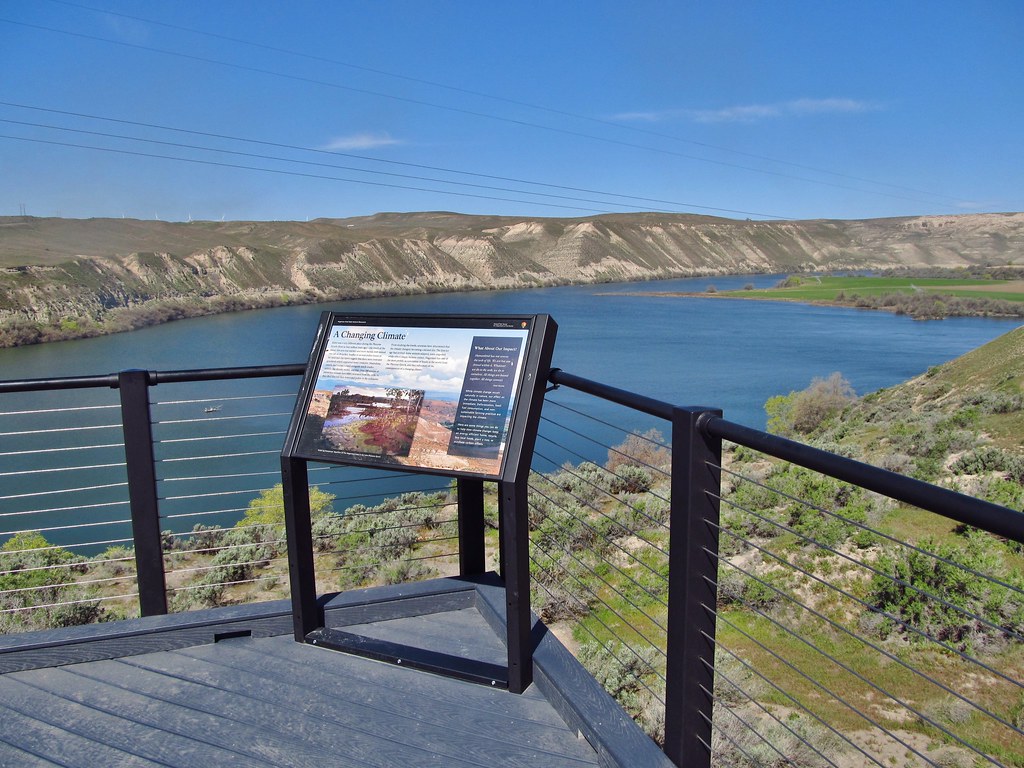
The Hagerman Valley section of the Snake River benefits from the influence of countless natural springs that feed into the system, creating unique fishing conditions reminiscent of classic spring creeks. These clear, consistent water sources maintain stable temperatures and provide ideal habitat for aquatic insects and trout throughout the year. The Hagerman area is particularly noted for its impressive rainbow trout, descendants of the famous Hayspur strain that have adapted perfectly to this environment. Sight fishing opportunities abound in the clearer sections, allowing anglers to target specific fish with precise presentations – a challenging but rewarding approach. The valley’s geothermal activity creates microhabitats that support fishing even during winter months when other sections might be less productive.
C.J. Strike Reservoir to Swan Falls – The Mixed Fishery
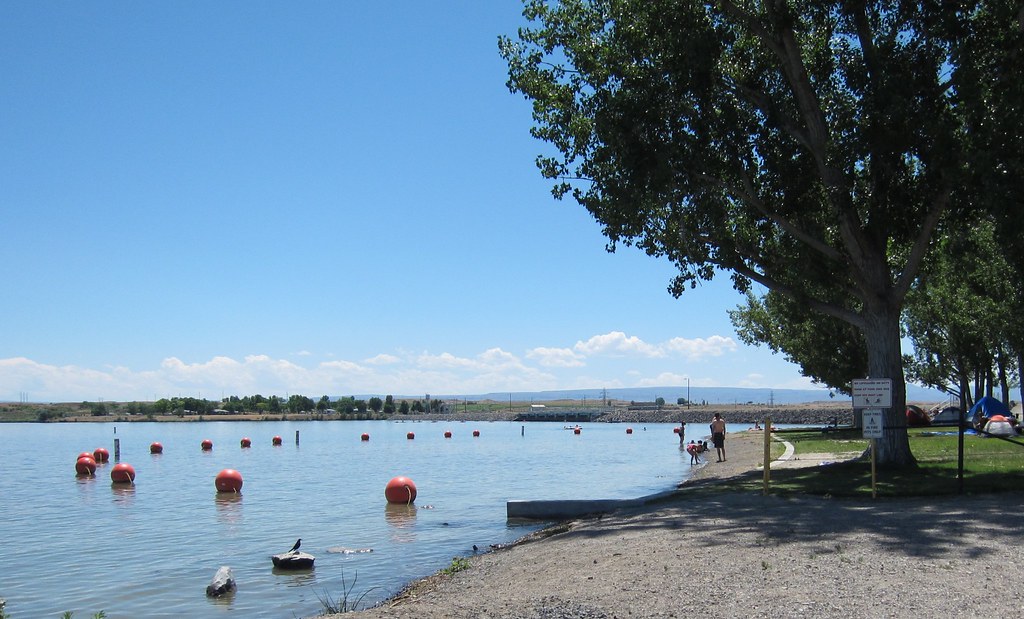
Between C.J. Strike Reservoir and Swan Falls Dam, the Snake River transforms into a diverse fishery that supports not only trout but also smallmouth bass, channel catfish, and sturgeon. This transitional zone offers fly anglers the opportunity to target multiple species within the same day, making it an exciting destination for those looking to diversify their fishing experience. The slower flows in this section create excellent habitat for larger fish, with deep holes and rocky structures providing prime holding water throughout the year. Streamers and crayfish patterns work exceptionally well for targeting the aggressive smallmouth bass population, while nymphing the deeper runs can produce quality rainbows and browns. The desert canyon scenery adds a dramatic backdrop to the fishing experience, with golden eagles and other wildlife frequently spotted along the river corridor.
Hells Canyon – The Wild Section
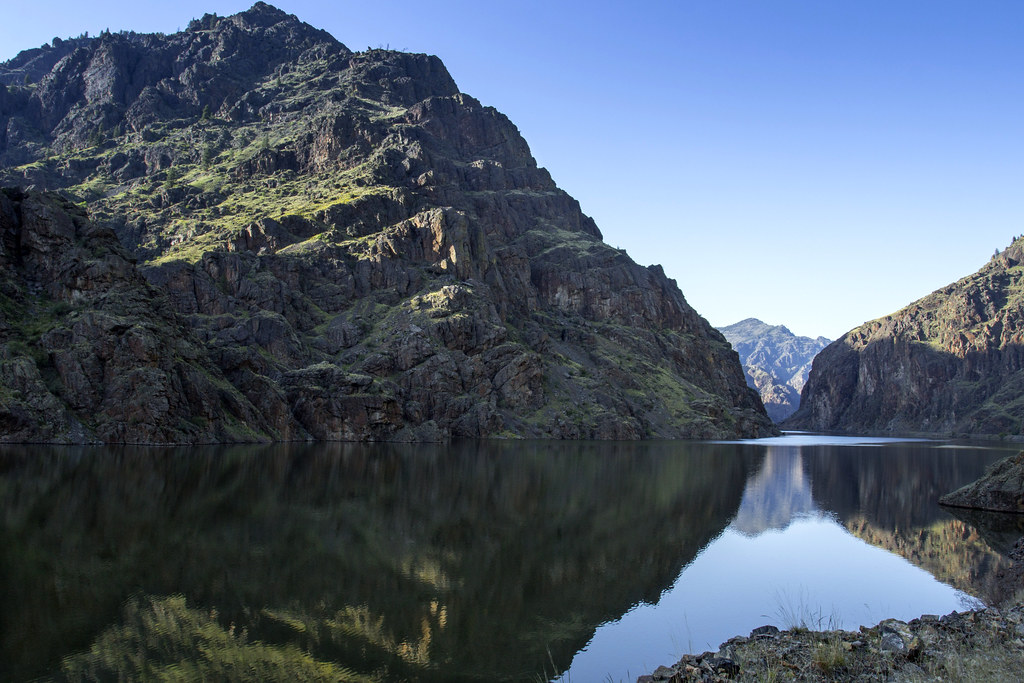
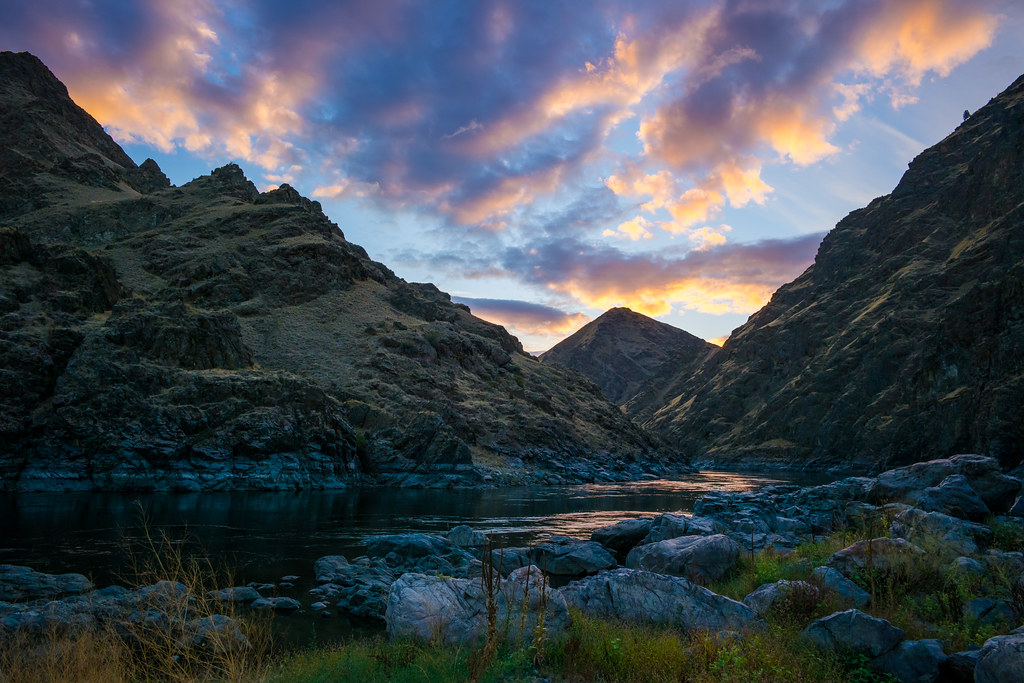
The Snake River’s journey through Hells Canyon creates North America’s deepest river gorge and one of its most remarkable fly fishing destinations. This remote, rugged section spans the Idaho-Oregon border and offers anglers an opportunity to experience truly wild water that holds impressive populations of rainbow trout, smallmouth bass, and white sturgeon. Access to Hells Canyon is primarily by jet boat or multi-day float trips, contributing to the wilderness experience and reducing fishing pressure compared to more accessible sections. The powerful flows and boulder-strewn riverbed create complex currents that concentrate feeding fish in predictable locations, rewarding anglers who can read water effectively. Summer through early fall provides the most reliable conditions, though the canyon’s depth creates micro-climates that can extend the prime fishing season beyond what surrounding areas experience.
Lewiston Area – Steelhead Territory
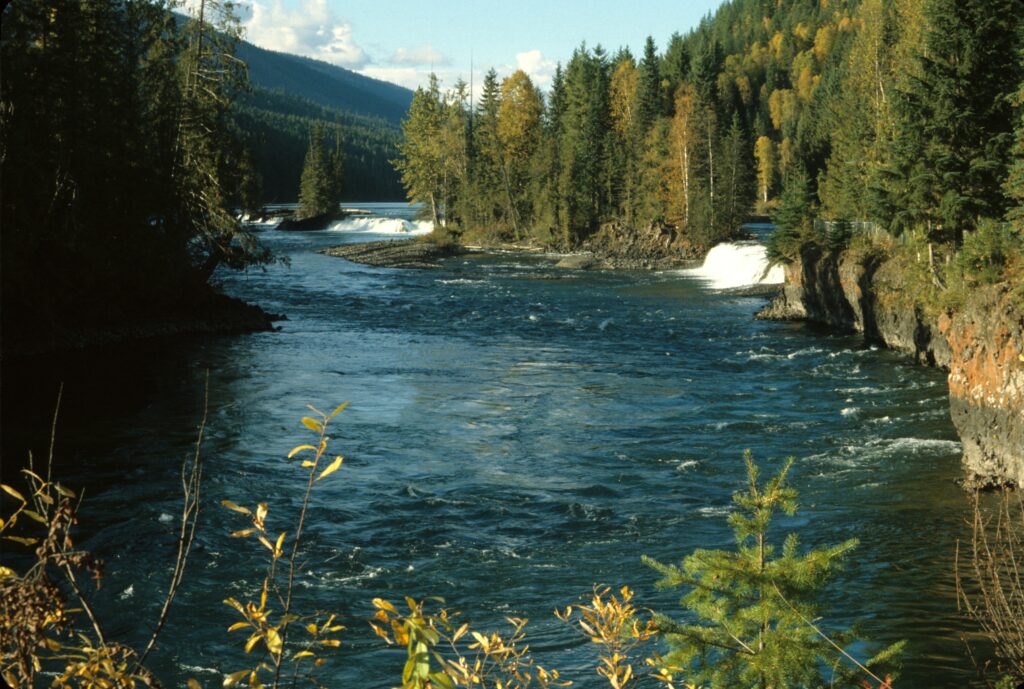
As the Snake River approaches its confluence with the Clearwater River near Lewiston, Idaho, it transitions into premier steelhead territory during migration seasons. This lower section of the Snake provides fly anglers with opportunities to target these sea-run rainbow trout as they make their way from the Pacific Ocean toward spawning grounds. The best steelhead fishing typically occurs from October through April, with peak periods often correlating with water temperature and flow conditions. Successful techniques include swinging traditional steelhead flies on sink-tip lines through likely holding water, or using indicator nymphing setups with stonefly patterns and egg imitations. Beyond steelhead, this section also holds resident smallmouth bass, channel catfish, and the occasional fall chinook salmon, creating year-round fishing possibilities for versatile anglers.
Seasonal Considerations and Hatch Timing
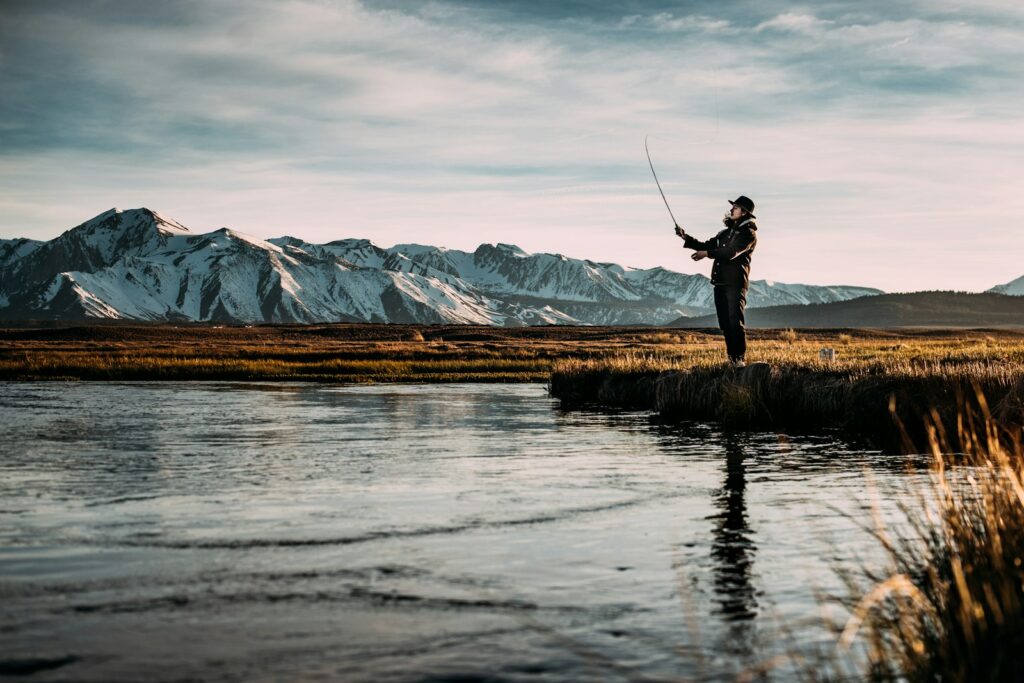
Understanding the seasonal patterns and hatch timing along the Snake River is crucial for planning a successful fly fishing trip. Spring typically begins with midges and blue-winged olive hatches, followed by the famous salmon fly emergence in late May through June on sections like the South Fork. Summer brings prolific PMD, caddis, and drake hatches, with terrestrial fishing becoming increasingly effective from July through September. Fall offers some of the most consistent dry fly fishing with mahogany duns, october caddis, and baetis providing reliable surface action. Winter fishing remains productive in tailwater sections and spring-influenced areas, though anglers should focus on midday hours when water temperatures rise slightly and fish become more active. Water conditions vary dramatically throughout the system, with dam-controlled sections providing more consistent fishing than areas subject to natural runoff and irrigation demands.
Access Points and Logistics
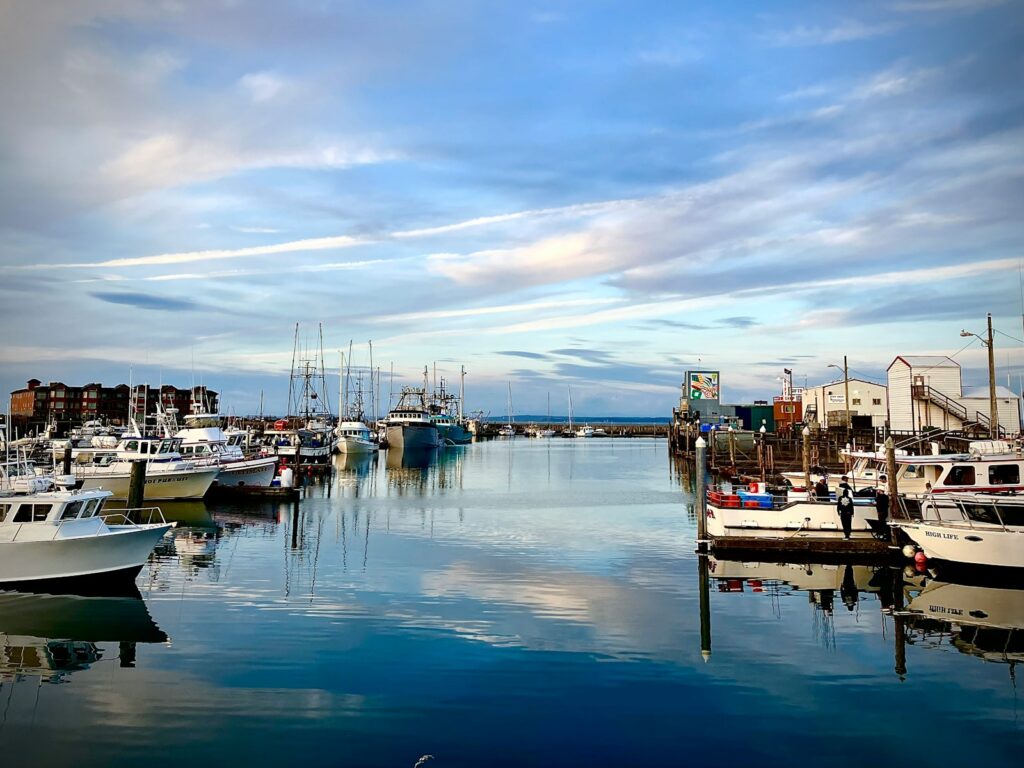
Accessing the Snake River’s best fishing requires careful planning and understanding of the available entry points along its extensive course. In Wyoming’s Jackson Hole section, public access is available at sites like Pacific Creek, Moose Landing, and Wilson Bridge, though drift boats provide the most effective means of covering water. Idaho’s South Fork offers numerous boat ramps including Conant Valley, Lorenzo, and Byington, with some wade fishing possible at designated access points. The middle and lower sections feature more scattered access, with boat ramps at locations like Twin Falls, C.J. Strike Reservoir, and Heller Bar providing entry to key stretches. Many sections benefit from guide services familiar with current conditions and productive techniques, particularly for first-time visitors to the system. Anglers should always research current regulations, as they vary considerably between states and even between different sections within the same state.
Conservation Challenges and Responsible Angling
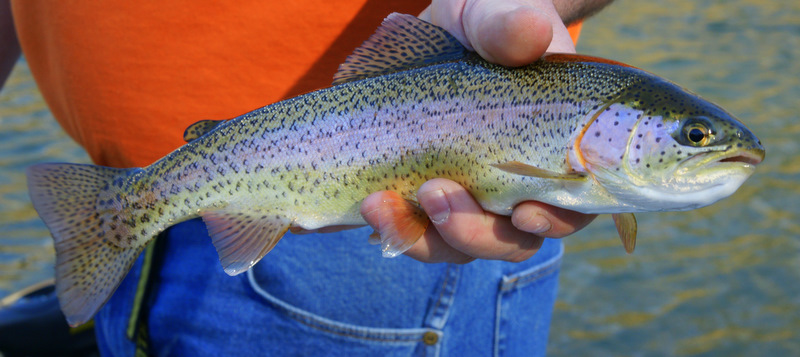
The Snake River faces numerous conservation challenges that responsible anglers should understand and help address through their actions on the water. Protecting native cutthroat trout populations from hybridization with non-native rainbow trout remains a priority, particularly in the South Fork and upper reaches. Water management issues, including dam operations and agricultural withdrawals, significantly impact flow patterns and habitat quality throughout the system. Catch-and-release practices using barbless hooks are encouraged for native species, while selective harvest of non-native fish may be beneficial in certain sections according to management plans. Invasive species present additional threats, with anglers urged to thoroughly clean gear when moving between watersheds to prevent the spread of New Zealand mud snails and other harmful organisms. Supporting local conservation organizations like Trout Unlimited and the Henry’s Fork Foundation provides anglers with opportunities to contribute to long-term protection of this remarkable fishery.
The Snake River stands as one of North America’s most diverse and rewarding fly fishing destinations, offering experiences that range from technical dry fly presentations to adrenaline-pumping streamer fishing across its expansive watershed. From the breathtaking scenery of Jackson Hole to the wild canyons of Hells Canyon, each section provides unique opportunities to connect with remarkable fish in stunning settings. While the fishing alone justifies the Snake’s reputation among anglers, the combination of wildlife viewing, spectacular landscapes, and solitude in certain stretches creates an experience that transcends the simple pursuit of trout. By approaching this storied river with respect for its resources and an appreciation for its challenges, fly fishers can create memorable adventures on one of the continent’s most magnificent waterways.




Post Comment