
Saltwater Giants: The Best Deep Sea Fishing in Thailand
Thailand’s azure waters hold secrets beneath their sparkling surface – magnificent pelagic predators and powerful game fish that draw anglers from across the globe. From the Andaman Sea to the Gulf of Thailand, these tropical waters serve as hunting grounds for some of the ocean’s most prized catches. Deep sea fishing in Thailand offers not just the thrill of the catch but an unforgettable adventure against the backdrop of stunning limestone karsts and pristine beaches. Whether you’re a seasoned angler or a curious novice, Thailand’s diverse marine ecosystem promises encounters with some of the most spectacular saltwater giants in Southeast Asia.
The Rich Marine Ecosystem of Thailand’s Waters
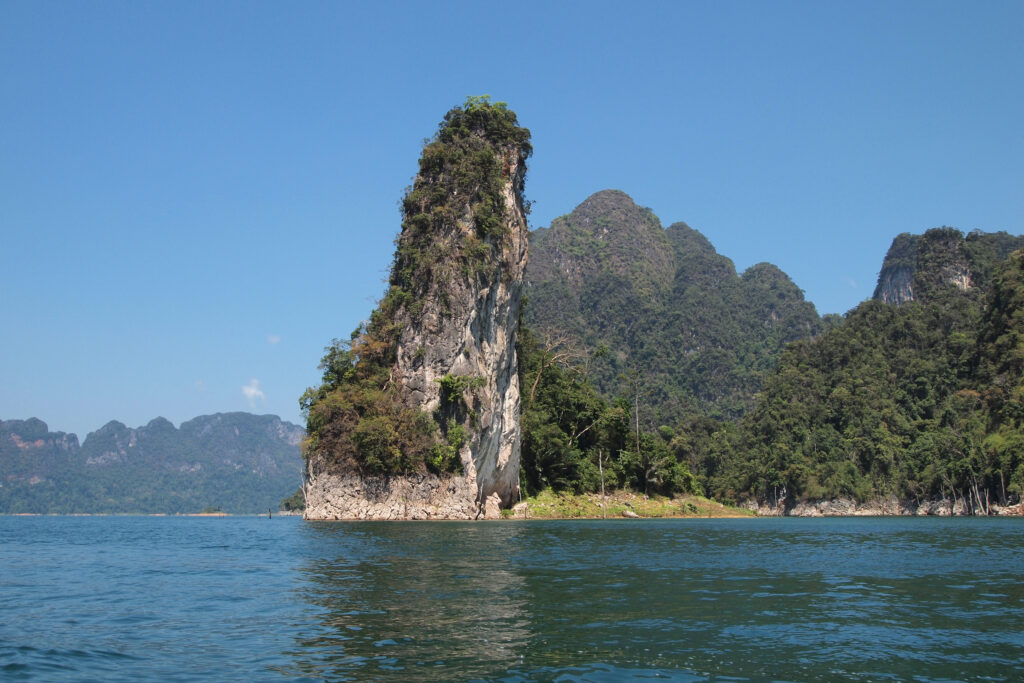
Thailand’s strategic location between the Indian and Pacific Oceans creates a perfect environment for diverse marine life to thrive. The nutrient-rich waters support an extensive food chain, from tiny plankton to apex predators, making it an ideal habitat for various game fish species. The Andaman Sea on the west coast and the Gulf of Thailand on the east offer different conditions and species compositions, giving anglers varied fishing experiences depending on which coast they choose. Coral reefs, underwater pinnacles, and deep sea trenches create natural structures that attract feeding fish and set the stage for world-class fishing opportunities. This biodiversity makes Thailand one of Southeast Asia’s premier fishing destinations, with opportunities for catches that can reach truly impressive sizes.
Sailfish: The Acrobatic Speedsters
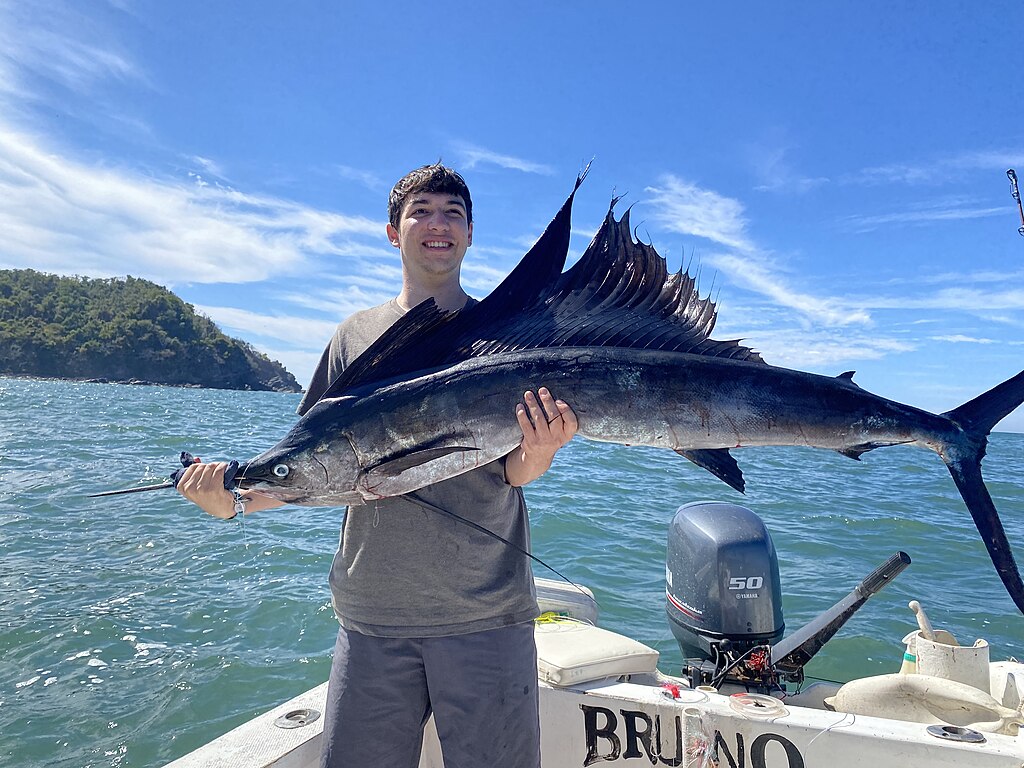
Sailfish stand as one of Thailand’s most sought-after game fish, known for their extraordinary fighting abilities and spectacular aerial displays. These magnificent creatures can reach speeds of up to 68 mph, making them among the fastest fish in the ocean and providing anglers with heart-pounding action when hooked. Distinguished by their prominent dorsal fin that resembles a sail, these fish can reach lengths of over 10 feet and weights exceeding 200 pounds in Thai waters. Sailfish are primarily found in the deeper waters of the Andaman Sea, particularly around Phuket, Khao Lak, and the Similan Islands, where they’re typically targeted using trolling techniques with live bait or artificial lures. The best season for sailfish runs from November through April, when these acrobatic fighters congregate in Thai waters during their annual migration patterns.
King Mackerel (Wahoo): The Lightning-Fast Predators
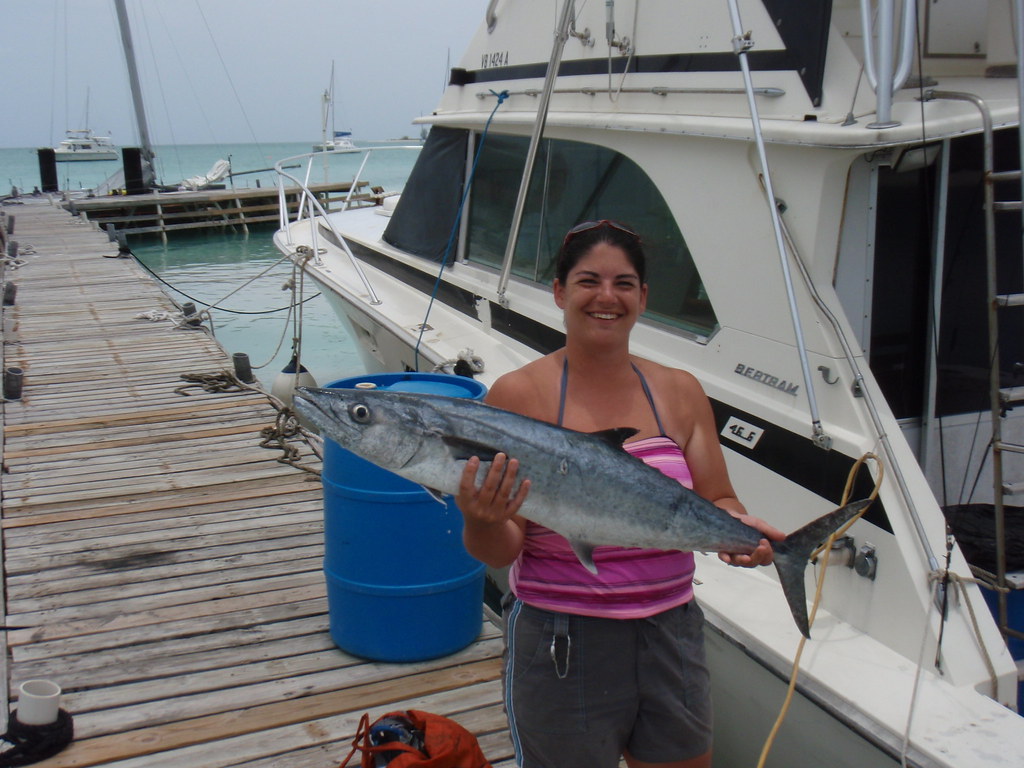
King mackerel, often called wahoo in Thailand, represent one of the fastest and most powerful game fish in Thai waters, providing exhilarating fights for deep sea anglers. These streamlined predators can reach speeds of over 60 mph, making a strike feel like lightning hitting your line and creating spectacular runs that can strip hundreds of yards of line in seconds. Wahoo in Thailand commonly reach weights of 30-80 pounds, though specimens exceeding 100 pounds are occasionally caught, especially in the deeper waters off Koh Samui and Phuket. Their razor-sharp teeth and aggressive feeding behavior make them formidable opponents, requiring heavy tackle and wire leaders to prevent bite-offs during the fight. The prime wahoo season typically runs from December through March in the Andaman Sea and slightly later in the Gulf of Thailand, coinciding with optimal water temperatures and baitfish movements.
Giant Trevally: The Bruisers of the Reef
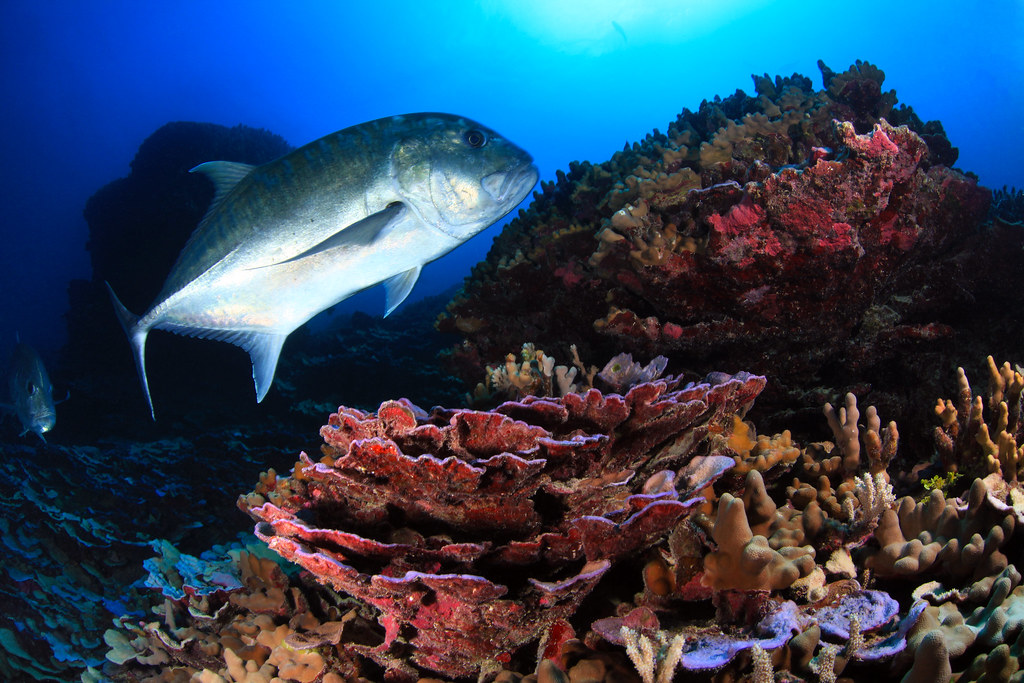
Giant trevally (GT) have earned their reputation as the bulldogs of Thailand’s waters, known for their raw power and aggressive fighting style that tests both equipment and anglers. These silver-gray predators can grow to enormous sizes in Thai waters, with specimens regularly exceeding 40 kg (88 lbs) and providing some of the most physically demanding fishing experiences available. GTs hunt around reef edges, rocky outcrops, and underwater structures, making areas like the Similan Islands, Koh Racha, and the deeper pinnacles off Phuket prime locations for targeting these bruisers. Their fighting style includes powerful initial runs followed by dogged, bulldozing resistance as they attempt to reach the safety of reef structures, often resulting in broken lines or straightened hooks for unprepared anglers. Year-round opportunities exist for GT fishing in Thailand, though many captains report the November to April period offers the most consistent action, especially around the full moon phases when GTs become particularly aggressive.
Black Marlin: The Ultimate Trophy Fish
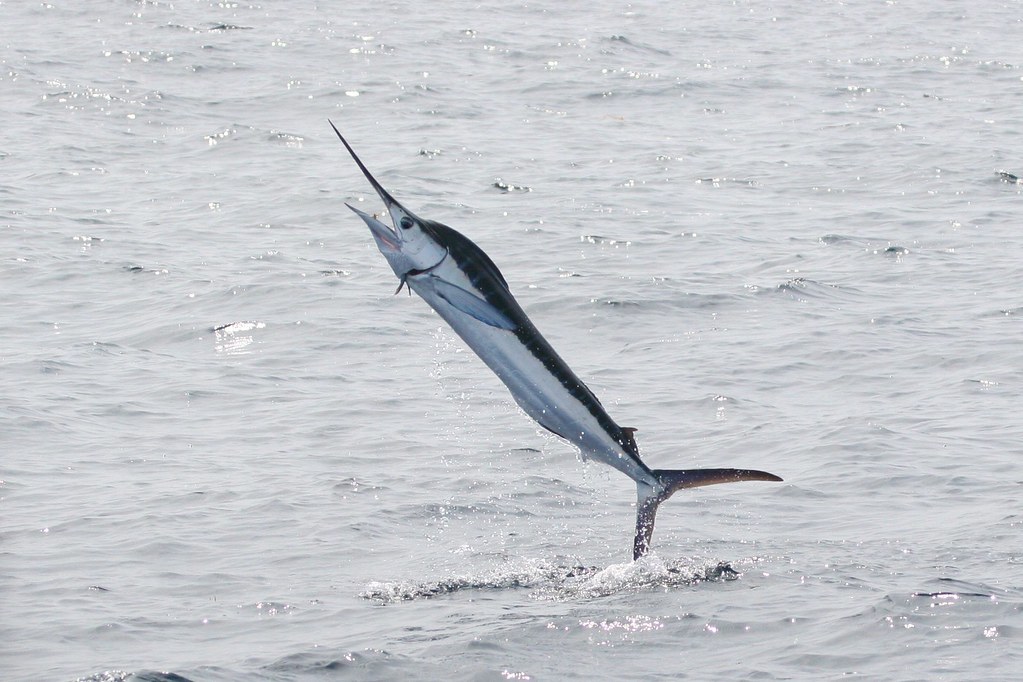
Black marlin represent the pinnacle of big game fishing in Thailand, with these apex predators reaching sizes that can exceed 1,000 pounds in Thai waters. These magnificent billfish are distinguished by their rigid pectoral fins that cannot be folded against their bodies, unlike other marlin species, giving them a distinctive appearance and fighting style that includes spectacular jumps and blistering runs. The deep waters off the Similan Islands and the drop-offs near Phuket and Koh Samui provide ideal hunting grounds for these oceanic giants, which typically require heavy tackle and experienced crews to target successfully. Black marlin season in Thailand generally peaks from November through March, when water conditions and baitfish concentrations are optimal for these massive pelagics. Landing a Thai black marlin represents a bucket-list achievement for serious anglers, requiring patience, skill, and sometimes battles lasting several hours before these magnificent fish are brought boatside for a quick photo and release.
Dogtooth Tuna: The Deep Water Powerhouses
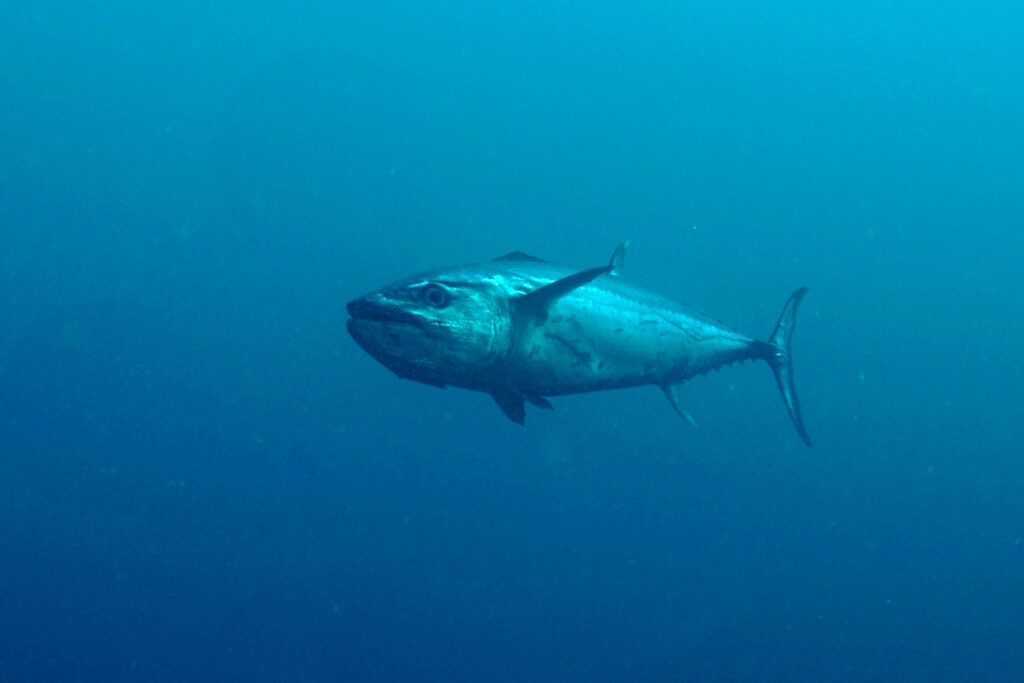
Dogtooth tuna present one of Thailand’s most challenging deep sea fishing targets, dwelling primarily around deep offshore reefs and underwater pinnacles where few anglers venture. These muscular predators are named for their distinctive canine-like teeth and can reach weights exceeding 80 kg (176 lbs) in Thai waters, with larger specimens typically found around the more remote underwater structures. Unlike their cousins in the tuna family, dogtooth tuna prefer structure-oriented hunting grounds rather than open water, making them a specialist target that requires specific techniques like deep jigging or live baiting at depths often exceeding 100 meters. Their fighting style combines the initial searing run of a tuna with the dogged, powerful resistance of a bottom-dwelling species, creating a uniquely challenging battle that tests both tackle and angler. The Similan Islands, Koh Racha Noi’s deeper pinnacles, and some of the offshore banks in the Andaman Sea provide the best opportunities for encountering these prized deep water giants, particularly during the peak season from December through March.
Spanish Mackerel: The Toothy Speedsters
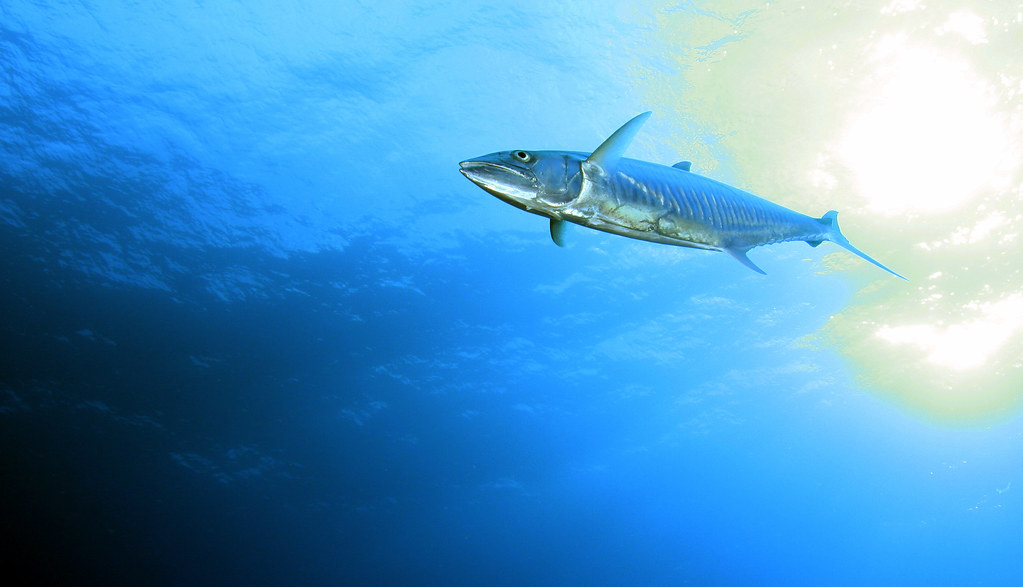
Spanish mackerel rank among Thailand’s most common yet exciting game fish, known for their blistering speed and acrobatic fights that thrill anglers of all experience levels. These streamlined predators with razor-sharp teeth typically weigh between 5-15 kg (11-33 lbs) in Thai waters, though specimens exceeding 20 kg are occasionally encountered, especially during peak migration periods. Their feeding behavior includes spectacular surface strikes and high-speed pursuits of baitfish, making trolling with plugs, spoons, or live bait particularly effective techniques for targeting these speedsters around Thailand’s islands and coastal waters. Spanish mackerel can be found year-round in Thai waters, though concentrations peak from November through April in the Andaman Sea and from January through May in the Gulf of Thailand, providing reliable action even when other species prove elusive. The areas around Phuket, Koh Phi Phi, and Hua Hin are particularly known for consistent Spanish mackerel action, making them popular targets for both dedicated fishing trips and mixed-species outings.
Barracuda: The Silver Torpedoes
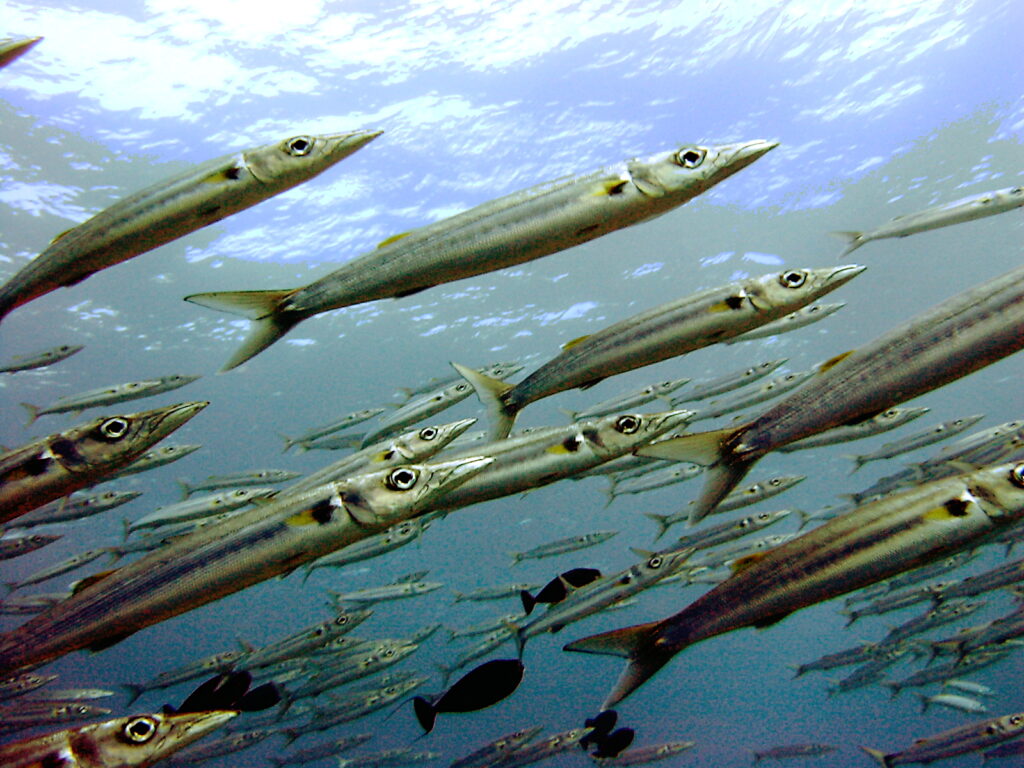
Barracuda patrol Thailand’s waters like silver missiles, their distinctive toothy grins and lightning-fast attacks making them both feared and prized catches for deep sea anglers. These predators commonly reach lengths of 4-5 feet in Thai waters, with weights up to 25 kg (55 lbs) for the largest specimens, creating powerful opponents when hooked on appropriate tackle. Their hunting strategy involves explosive bursts of speed that can exceed 35 mph as they strike baits or lures, often resulting in spectacular surface strikes that send water spraying and adrenaline pumping. Barracuda are ambush predators that typically patrol reef edges, rocky outcrops, and areas with current flow, making spots like the Phi Phi Islands, Shark Point near Phuket, and many areas in the Gulf of Thailand productive hunting grounds. While they can be caught year-round, many captains report that the dry season months from November through April produce the most consistent barracuda action, especially when targeting them with fast-retrieved lures or trolled baits during early morning or late afternoon hours.
Yellowfin Tuna: The Offshore Warriors
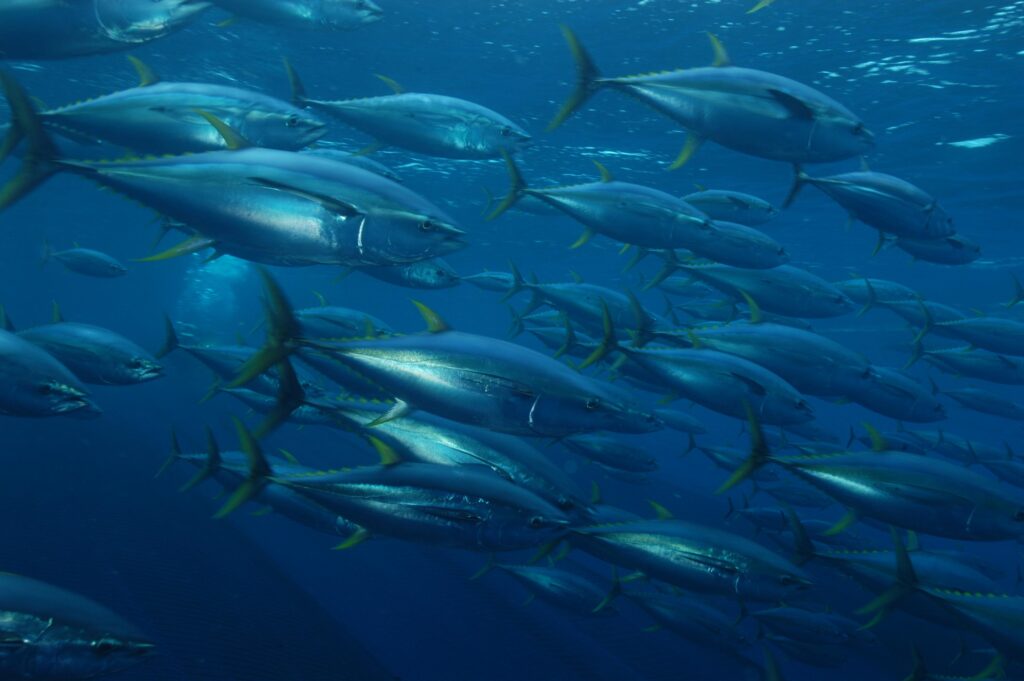
Yellowfin tuna represent one of Thailand’s premier offshore targets, with these powerful pelagics providing challenging fights and excellent table fare for anglers venturing into deeper waters. These muscular fish are recognized by their bright yellow finlets and sickle-shaped fins, with specimens in Thai waters commonly reaching 20-70 kg (44-154 lbs), though fish exceeding 100 kg are occasionally encountered during peak seasons. Yellowfin typically travel in schools around offshore structures, FADs (Fish Aggregating Devices), and areas where currents create upwellings, making the waters around the Similan Islands, the King Cruiser Wreck, and offshore banks prime hunting grounds for these hard-fighting fish. Their fighting style combines blistering initial runs with deep, powerful dives that can test even heavy tackle to its limits, often requiring battles lasting an hour or more for larger specimens. The best yellowfin fishing typically occurs from December through April in the Andaman Sea, when water conditions and baitfish concentrations are optimal for these highly migratory predators.
Cobia: The Versatile Fighters
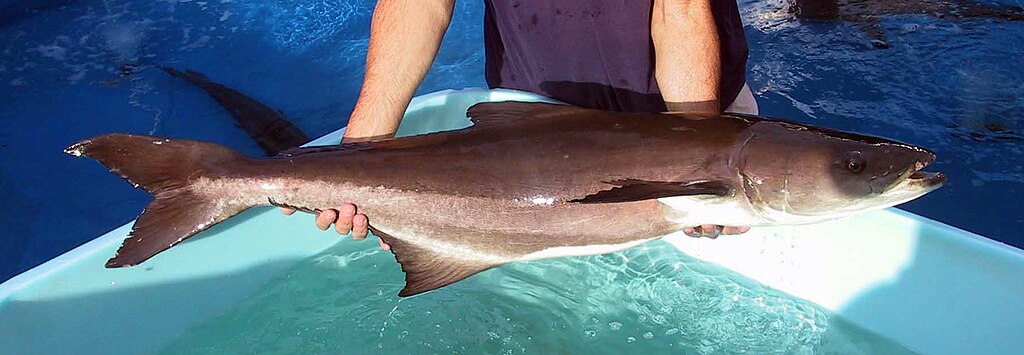
Cobia offer Thailand anglers a unique combination of powerful fighting ability and excellent eating quality, making them highly prized catches when encountered in Thai waters. These distinctive fish, with their shark-like profiles and broad, flat heads, typically reach weights of 15-30 kg (33-66 lbs) in Thailand, though specimens exceeding 50 kg have been documented, particularly around offshore structures. Cobia are known for their versatile fighting style, which includes powerful runs, determined dives, and occasional aerial displays, creating unpredictable battles that keep anglers guessing until the fish is finally brought to gaff. These opportunistic feeders are often found around floating debris, buoys, oil platforms, and larger marine animals like manta rays and whale sharks, making them somewhat challenging to target specifically but rewarding catches when located. The Gulf of Thailand, particularly around Koh Samui and Koh Tao, offers good cobia fishing opportunities, as do some of the offshore structures in the Andaman Sea, with peak seasons generally falling between December and April when water conditions are most stable.
Mahi-Mahi (Dolphinfish): The Colorful Acrobats
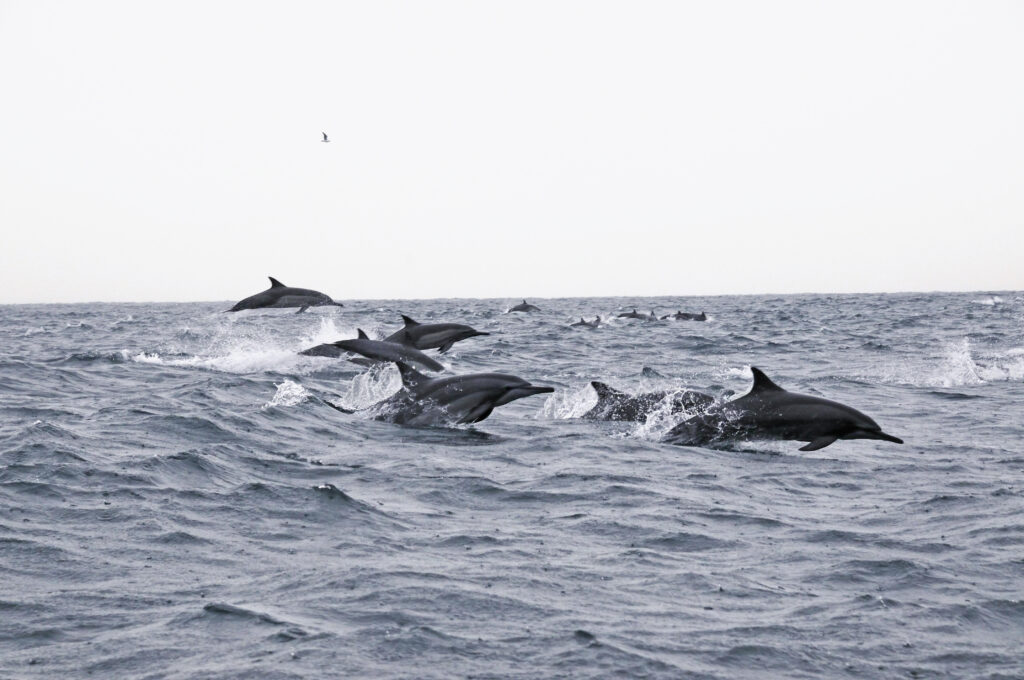
Mahi-mahi, also called dolphinfish, bring spectacular color and acrobatic fights to Thailand’s offshore fishing scene, making them popular targets for both serious and casual anglers. These vibrant fish display electric blues, greens, and golds that literally glow in the tropical sunlight, with males developing prominent forehead bumps that give them their “bull dolphin” designation among seasoned fishermen. In Thai waters, mahi-mahi typically range from 5-25 kg (11-55 lbs), though specimens exceeding 30 kg are occasionally caught around productive offshore structures and floating debris. Their fighting style is characterized by spectacular aerial displays, with multiple jumps and tail-walking across the surface creating unforgettable visual spectacles when hooked on appropriate tackle. Mahi-mahi in Thailand are typically found around floating debris, weed lines, and offshore current breaks, making them somewhat seasonal and dependent on weather conditions, with the best action generally occurring from December through April in the Andaman Sea and slightly later in the Gulf of Thailand.
Top Fishing Destinations in Thailand

Phuket stands as Thailand’s premier deep sea fishing hub, offering easy access to both the productive near-shore waters and the offshore grounds where the largest pelagic species roam. The island’s western location on the Andaman Sea positions it perfectly for reaching the Similan Islands, widely considered Thailand’s most productive big game fishing grounds with their underwater pinnacles and nutrient-rich currents that attract everything from sailfish to black marlin. Koh Samui and the surrounding islands in the Gulf of Thailand provide excellent alternatives during monsoon seasons when the Andaman Sea becomes rough, offering protected waters and consistent action for species like giant trevally, cobia, and various tuna species. Khao Lak, Ranong, and the Myanmar border waters present more adventurous options for experienced anglers seeking less pressured fishing grounds, though these typically require longer trips and more advanced planning with specialized operators who have permits for these more remote regions.
Choosing the Right Charter and Season

Selecting the appropriate fishing charter in Thailand dramatically impacts your chances of success, with options ranging from budget-friendly shared trips to fully-equipped luxury sport fishing vessels with experienced crews. The most productive deep sea fishing months generally run from November through April during the dry season, when seas are calmer and pelagic species are most concentrated in Thai waters. When evaluating potential charters, look for operators with modern safety equipment, well-maintained tackle appropriate for your target species, and captains with verifiable experience and knowledge of local fishing grounds rather than simply choosing based on price alone. Consider booking multi-day trips when targeting specific trophy species like black marlin or sailfish, as these longer excursions allow for fishing different locations and increase your chances of hitting optimal conditions during at least portion of your trip. Many serious anglers find the shoulder seasons of November-December and March-April offer the best combination of good weather and productive fishing, while also avoiding the peak tourist pricing of the January-February high season.
Conservation and Responsible Fishing Practices

Thailand’s marine resources face increasing pressure from both commercial and recreational fishing, making conservation awareness essential for preserving the country’s spectacular fishing opportunities for future generations. Many of Thailand’s best charter operations now practice catch-and-release for billfish and other species like giant trevally that are slow-growing and vulnerable to overfishing, using circle hooks and proper handling techniques to ensure high survival rates after release. Several areas within Thai waters have been designated as marine protected zones where fishing is either prohibited or strictly regulated, including portions of the Similan Islands National Park and various artificial reef projects that serve as fish aggregation areas. Responsible anglers should research local regulations before fishing, as Thailand has implemented size and bag limits for certain species, along with seasonal restrictions designed to protect spawning populations during critical reproductive periods. Supporting charter operations that demonstrate environmental awareness, including proper waste management and participation in conservation initiatives, helps ensure that Thailand’s marine ecosystems remain healthy and productive for both local communities and visiting anglers.
Thailand’s deep blue waters offer some of Southeast Asia’s most exciting big game fishing opportunities, with diverse species and spectacular settings that create unforgettable angling adventures. From the adrenaline rush of a sailfish greyhounding across the surface to the raw power of a giant trevally trying to reach the safety of a reef, these saltwater giants provide challenges and rewards for anglers of all experience levels. As you plan your Thai fishing adventure, remember that beyond the thrill of the catch lies the responsibility of conservation, ensuring these magnificent predators continue to patrol Thailand’s waters for generations to come. Whether you’re battling a black marlin off the Similans or jigging for dogtooth tuna at a remote pinnacle, Thailand’s saltwater giants await those willing to venture into the deep blue.






Post Comment