
Should You Keep or Release That Fish? A Quick Ethics Guide
The moment arrives in every angler’s life—you’ve just landed a fish and must make a decision that impacts both the aquatic ecosystem and your dinner plans. Should you keep it for the table or return it to the water? This choice carries ecological, ethical, and sometimes legal implications that extend far beyond personal preference. Whether you’re a seasoned fisher or new to the sport, understanding the considerations behind the keep-or-release decision helps ensure responsible fishing practices. This guide will walk you through the key factors to consider, helping you make informed choices that respect both fishing traditions and conservation needs.
Understanding Fishing Regulations
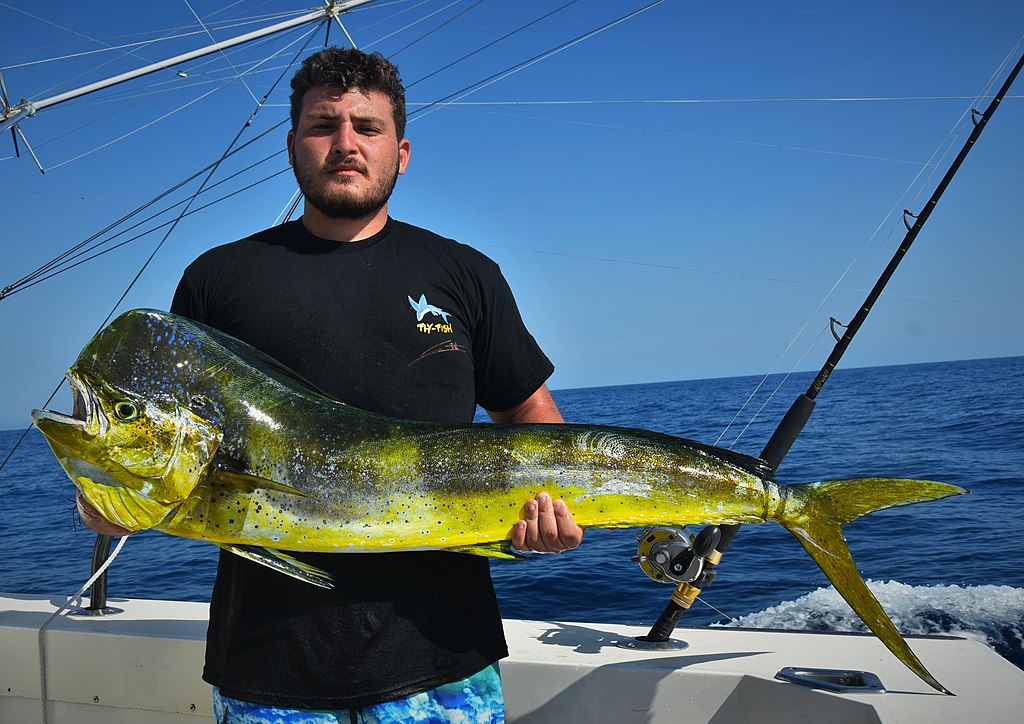
Before making any decision about keeping or releasing a fish, familiarize yourself with local fishing regulations. These rules aren’t arbitrary—they’re designed by wildlife management agencies based on scientific data about fish populations and ecosystem health. Regulations typically specify size limits (both minimum and maximum), catch limits (how many fish you can keep), and seasonal restrictions that protect spawning periods. Many areas also have species-specific rules that may completely prohibit keeping certain vulnerable fish. Violating these regulations can result in significant fines and, more importantly, contribute to population decline. Always check current regulations before your fishing trip, as they can change from year to year based on population assessments.
Size Matters: Understanding Growth and Reproduction
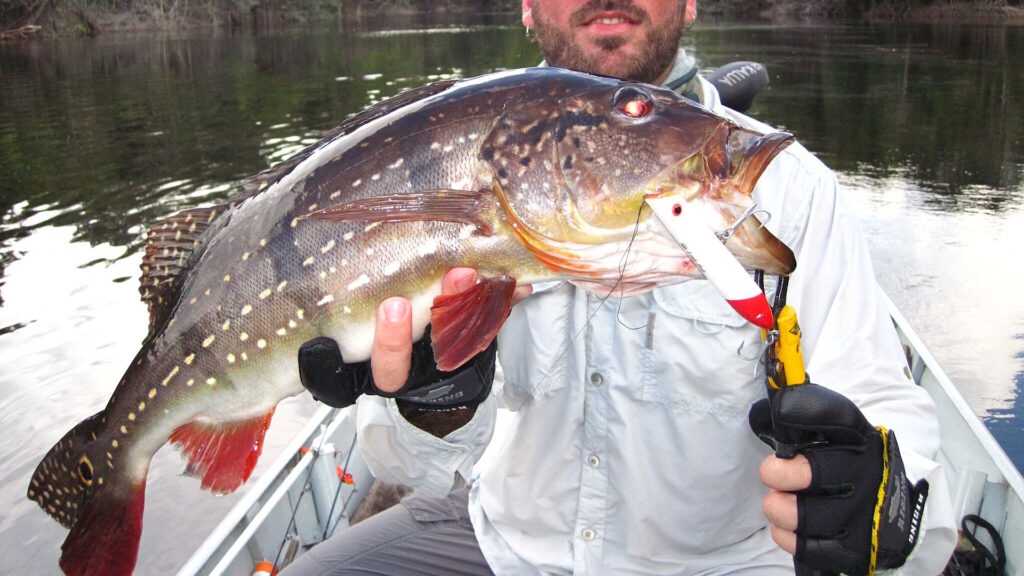
The size of your catch should heavily influence your decision to keep or release it. Many smaller fish haven’t yet reached reproductive maturity, meaning they haven’t had the chance to spawn and contribute to the next generation. Conversely, larger, older fish often produce exponentially more eggs than younger specimens, making them disproportionately valuable to population sustainability. For example, a 10-pound female bass might produce five times the eggs of a 2-pound female. This biological reality underpins the “slot limit” approach used in many fisheries, where both undersized and oversized fish must be released. Consider that by releasing a trophy-sized fish today, you’re potentially enabling thousands of future fish to populate the waters you enjoy.
Assessing Population Health
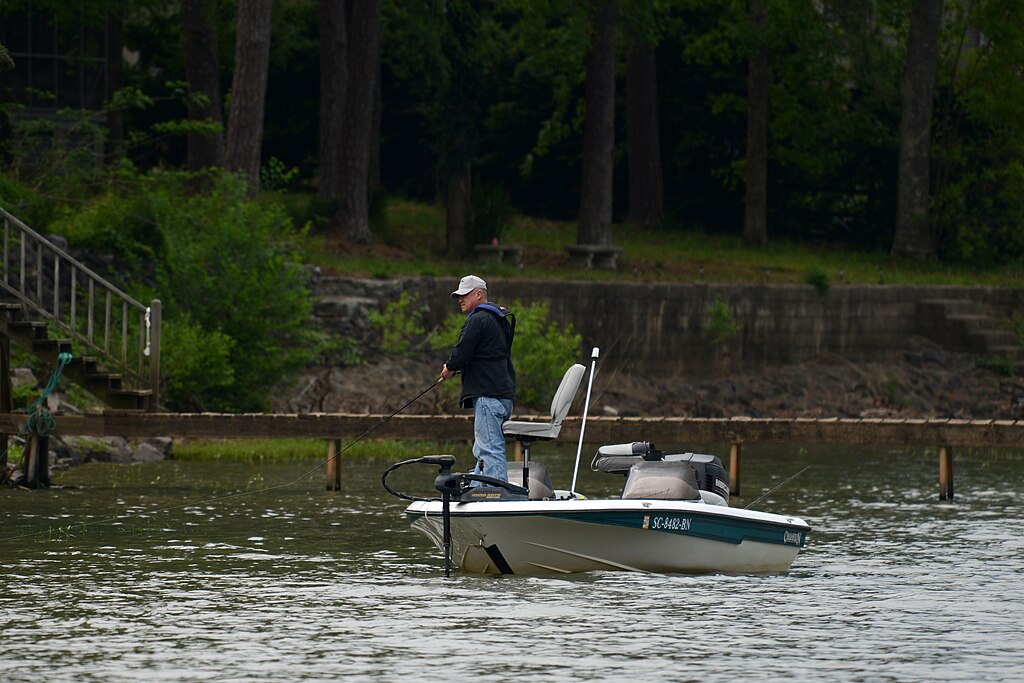
Different waterways face different pressures, and fish populations vary dramatically across locations. Some species may be abundant in certain waters while struggling in others, even within the same region. Research or ask local conservation officers about the status of fish populations where you’re fishing. In areas with healthy, abundant populations of a particular species, keeping a legal-sized fish for consumption generally poses minimal ecological concern. However, in waters where certain species face challenges from overfishing, pollution, habitat loss, or invasive competitors, practicing catch-and-release becomes more important regardless of legal limits. Responsible anglers often adopt a conservation-minded approach, keeping fewer fish than legally permitted when fishing pressured waters.
The Ethical Consideration of Intent

One fundamental ethical question to ask yourself is: “Why am I fishing today?” If your primary purpose is to harvest food, then keeping legal catches aligns with your intention. Traditional subsistence fishing and responsibly harvesting fish for family consumption connect us to age-old human practices and can be part of sustainable food systems. However, if you’re fishing primarily for sport, relaxation, or the challenge, consider whether keeping your catch is necessary. Many sport anglers have embraced the catch-and-release ethos, finding satisfaction in the moment of connection with a fish before returning it to its habitat. Being honest about your motivations helps align your actions with your values and can lead to more mindful fishing practices.
Safe Handling for Released Fish

If you decide to release a fish, how you handle it significantly impacts its survival chances. Fish have protective slime coats that defend against parasites and disease, and rough handling or dry hands can damage this important barrier. Always wet your hands before touching a fish, and consider using rubber-coated nets that minimize slime loss and scale damage. Minimize air exposure—research shows that keeping a fish out of water for more than 30-60 seconds can dramatically increase mortality rates, even if the fish swims away initially. Never hold a fish vertically, as this can damage internal organs, especially in larger specimens. When releasing, gently support the fish in the water facing upstream (in rivers) until it recovers enough strength to swim away on its own.
The Deep-Hooking Dilemma

Sometimes the decision to keep or release is complicated by how the fish is hooked. Deep-hooked fish—those where the hook has been swallowed or lodged in the gills—face significantly higher mortality rates when released, sometimes exceeding 50%, regardless of handling care. In these cases, even the most conservation-minded angler might consider keeping the fish if legal to do so, rather than releasing it to likely die. To minimize deep hooking, consider using circle hooks, which are designed to hook fish in the corner of the mouth rather than being swallowed. When a fish is deep-hooked and you intend to release it, cutting the line close to the hook is often better than attempting extraction, as modern hooks will usually dissolve over time, and extraction attempts can cause additional fatal damage.
Environmental Factors and Water Conditions
Environmental conditions at the time of fishing should influence your release decisions. Fish caught in extremely warm water are under additional physiological stress, as warm water holds less dissolved oxygen. Summer catch-and-release mortality can be substantially higher, especially for cold-water species like trout. Similarly, fish caught from great depths experience barotrauma—pressure-related injuries similar to “the bends” in human divers—when rapidly brought to the surface. Their swim bladders expand, eyes bulge, and internal organs can be damaged. In these situations, if you’re not equipped with specialized release tools (like descending devices for deep-water species), keeping the fish might be more ethical than releasing it to certain death. Being aware of these environmental stressors helps make more informed decisions about when catch-and-release is truly the conservation-minded choice.
Invasive Species Considerations
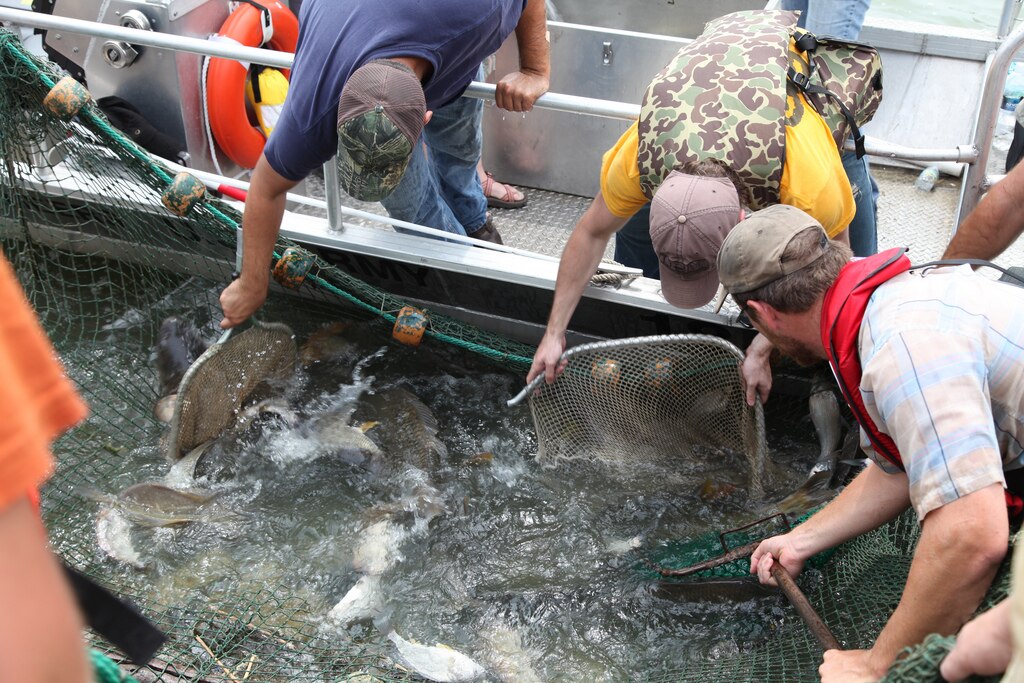
The ethics of catch-and-release shift dramatically when dealing with invasive species. Non-native fish that outcompete indigenous species can devastate native ecosystems and biodiversity. In many areas, regulations prohibit the release of invasive species back into the water, and anglers are encouraged or required to harvest them. Common examples include Asian carp in the Mississippi watershed, northern snakehead on the East Coast, and various species of tilapia in southern waters. Learning to identify invasive species in your area is an important responsibility for ethical anglers. By removing these species when caught, you’re contributing to conservation efforts aimed at protecting native ecosystems. In these cases, the most ethical choice is almost always to keep the fish, even if you don’t plan to eat it yourself.
The Value of Selective Harvest
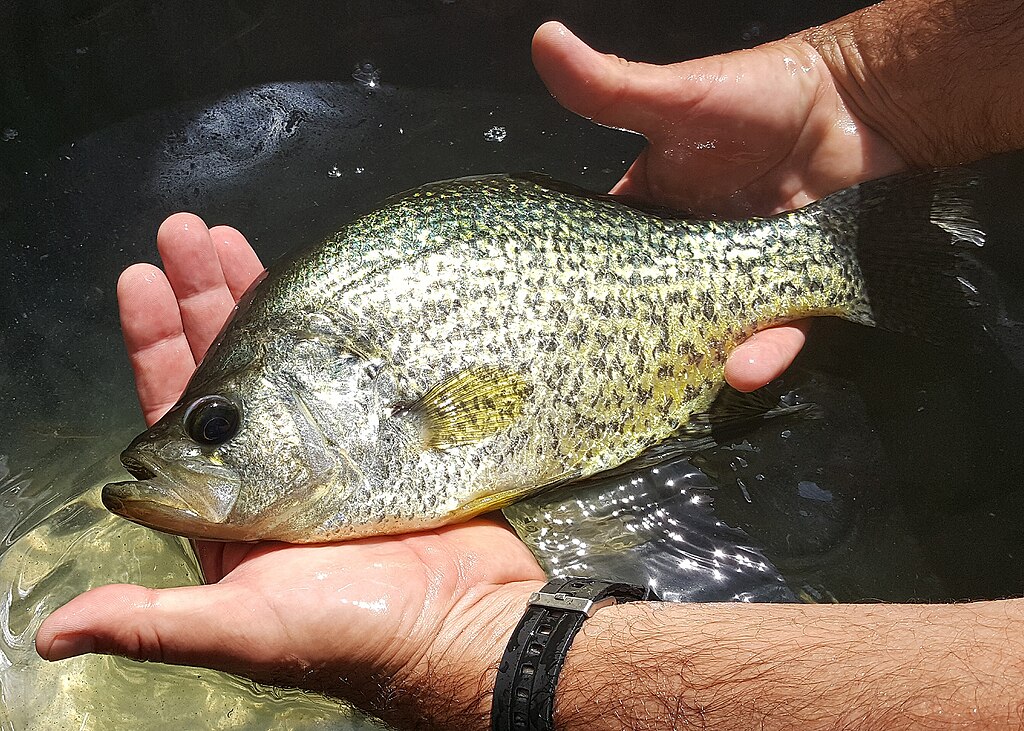
Between strict catch-and-release and keeping every legal fish lies the middle ground of selective harvest—a practice many fisheries biologists consider ideal for sustainable fishing. This approach involves making thoughtful decisions about which individual fish to harvest while releasing others. For example, keeping mid-sized fish while releasing both the smaller, immature fish and the larger, highly reproductive specimens helps maintain healthy population structures. Similarly, keeping one or two fish for a meal while releasing the rest, even when regulations would allow more, exemplifies conservation-minded restraint. Selective harvest acknowledges both the cultural importance of fishing for food and the need to ensure fish populations remain viable for future generations, striking a balance that many consider the most ethical approach to modern recreational fishing.
Eating What You Catch: The Full-Circle Ethic
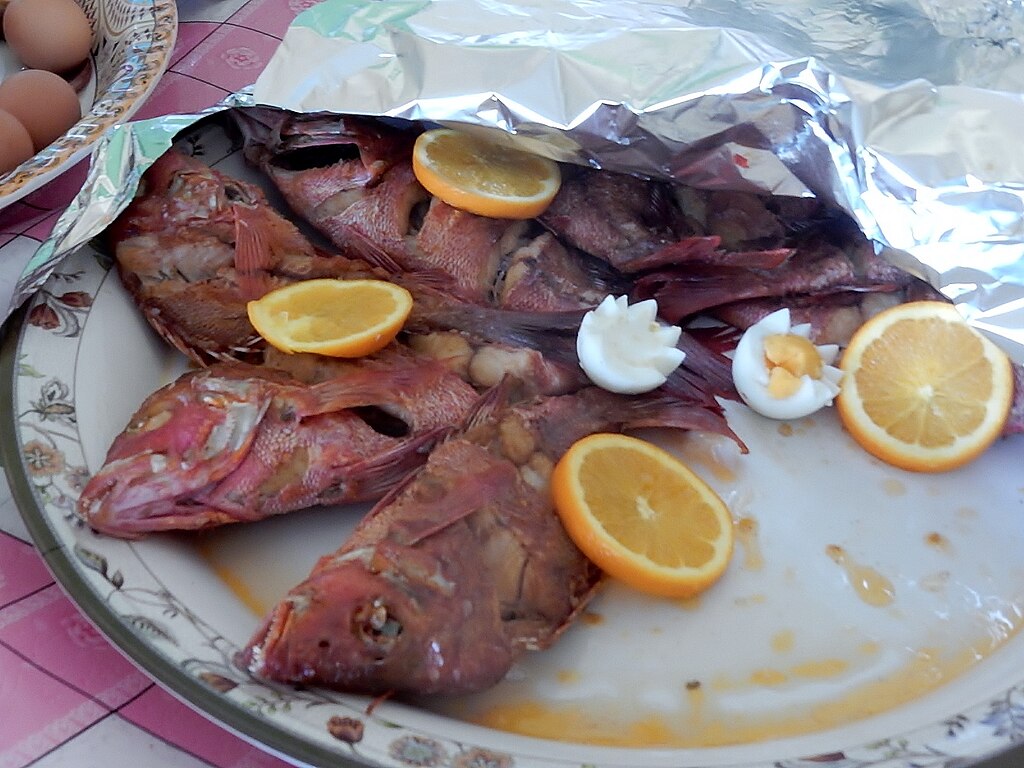
There’s a profound ethical dimension to harvesting and consuming fish you’ve caught yourself. Unlike commercial fishing, which can involve significant bycatch and habitat impact, personal harvesting allows for selective, minimal-impact food collection. When you catch, clean, prepare, and eat a fish, you’re participating in one of humanity’s oldest sustenance traditions and experiencing a direct connection to your food source that’s increasingly rare in modern life. This direct relationship often fosters greater appreciation for the resource and the ecosystem that produced it. Many anglers who keep fish for the table develop a deeper commitment to water quality, habitat conservation, and sustainable fishing practices precisely because they’ve completed the circle from water to plate, understanding themselves as participants in, rather than observers of, the natural world.
Photography and Social Media Ethics
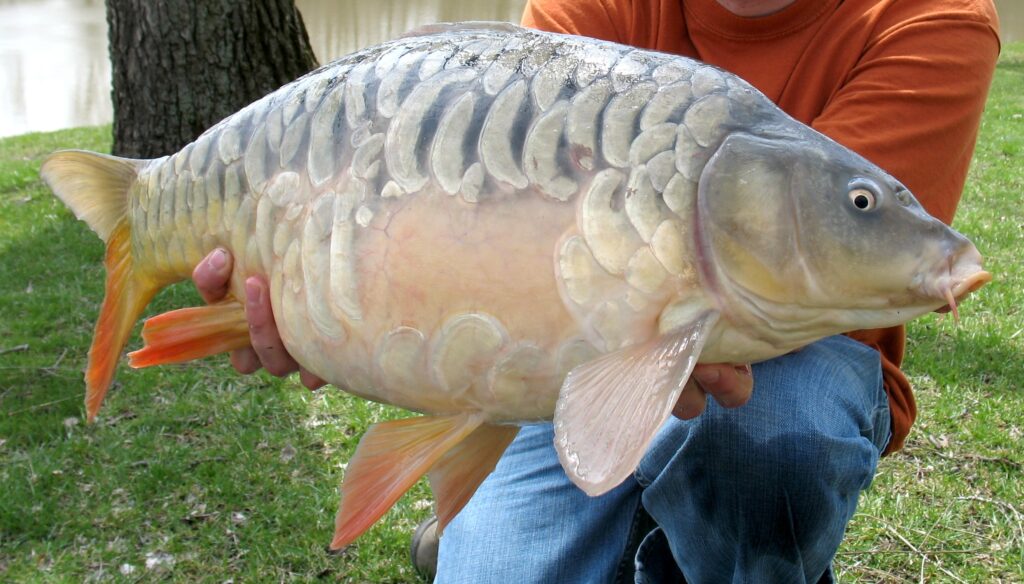
In today’s social media culture, the desire to document trophy catches has added another dimension to the keep-or-release decision. Long photo sessions with fish out of water can significantly increase mortality in released fish, sometimes defeating the conservation purpose of catch-and-release. If you plan to photograph and release a fish, prepare your camera or phone before landing the fish, keep the fish in the water until the last moment, and limit air exposure to 10 seconds or less. Consider in-water photography as an alternative that minimizes stress. Some conservation-focused anglers have begun taking “hero shots” with the fish partially in the water or using video to capture the release moment instead of prolonged posed photographs. Remember that a fish you intend to release is a living creature under stress, not merely a prop for social media, and adjust your behavior accordingly.
Teaching the Next Generation
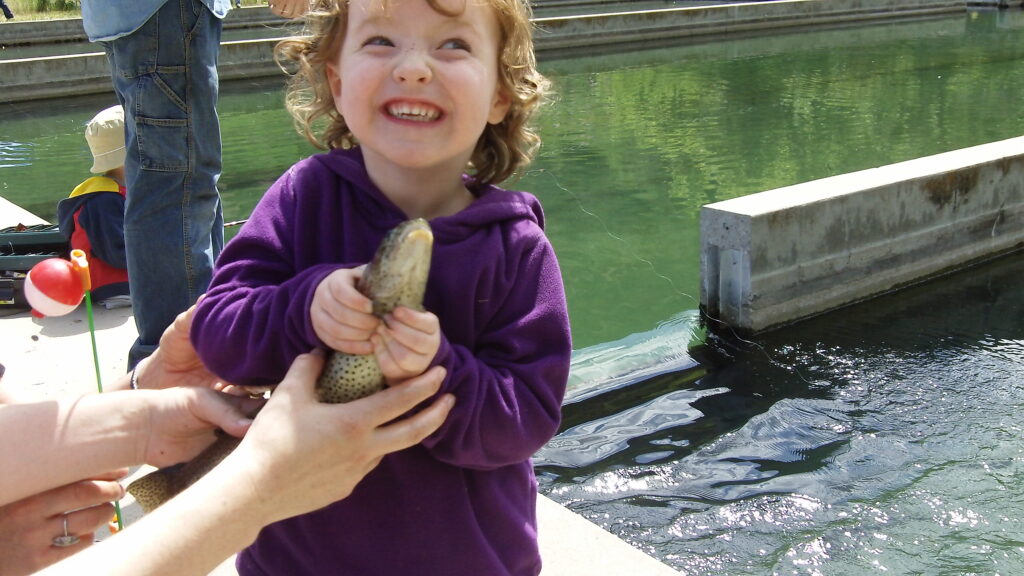
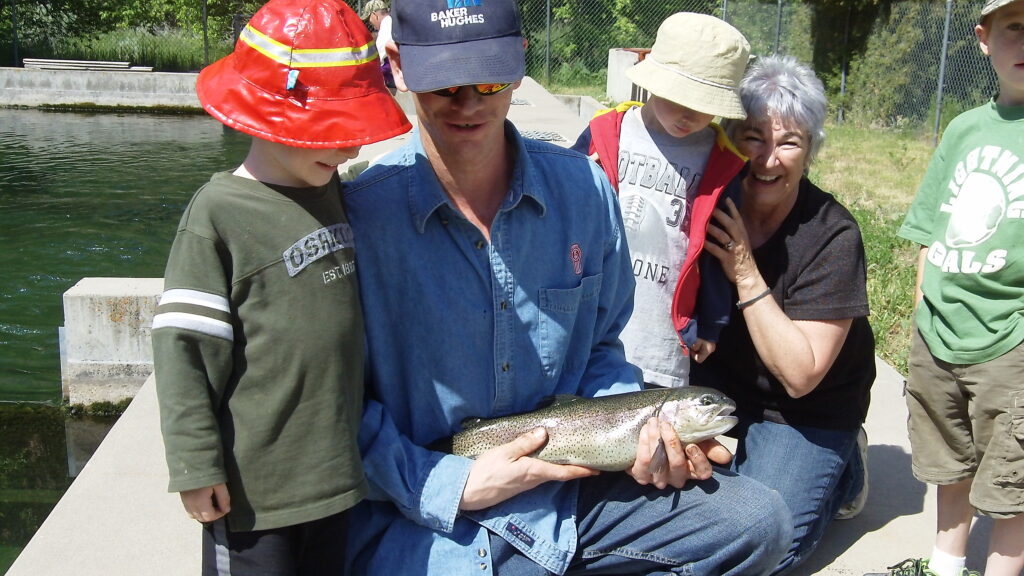
How we approach the keep-or-release decision has significant implications for teaching younger anglers about conservation ethics. Children learn by example, and the values we demonstrate while fishing shape their understanding of humanity’s relationship with nature. Taking time to explain your decision-making process—whether you’re releasing a fish because it’s undersized, keeping one for dinner, or practicing catch-and-release out of personal conservation commitment—helps young anglers develop their ethical framework. Involving children in researching regulations before trips and in discussions about population health reinforces the importance of informed decision-making. Many experienced anglers find that teaching a conservation ethic alongside fishing skills creates more thoughtful, responsible anglers who will carry these values forward, ensuring both the tradition of fishing and the health of fish populations continue for generations.
Developing Your Personal Fishing Philosophy
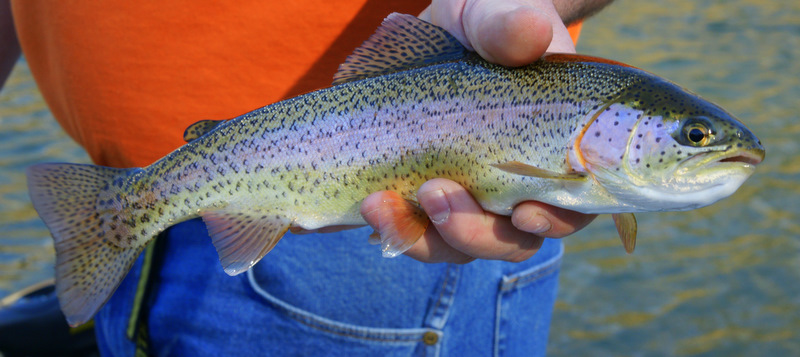
Ultimately, beyond regulations and biological considerations, many anglers develop personal philosophies about when to keep or release fish. These individual ethics often evolve over years of fishing experience and reflect deeply held values about conservation, tradition, and our place in natural systems. Some anglers adopt species-specific approaches, perhaps always releasing certain vulnerable species while selectively harvesting others. Others base their decisions on specific waters, knowing which local fisheries can sustain more harvest pressure than others. Many experienced anglers find themselves keeping fewer fish as they age, valuing the experience and connection to nature more than the harvest itself. There’s no single “correct” personal philosophy, but the most ethical approaches share common elements: they’re informed by science, respectful of regulations, mindful of ecological impact, and consciously developed rather than defaulted into without reflection.
Conclusion
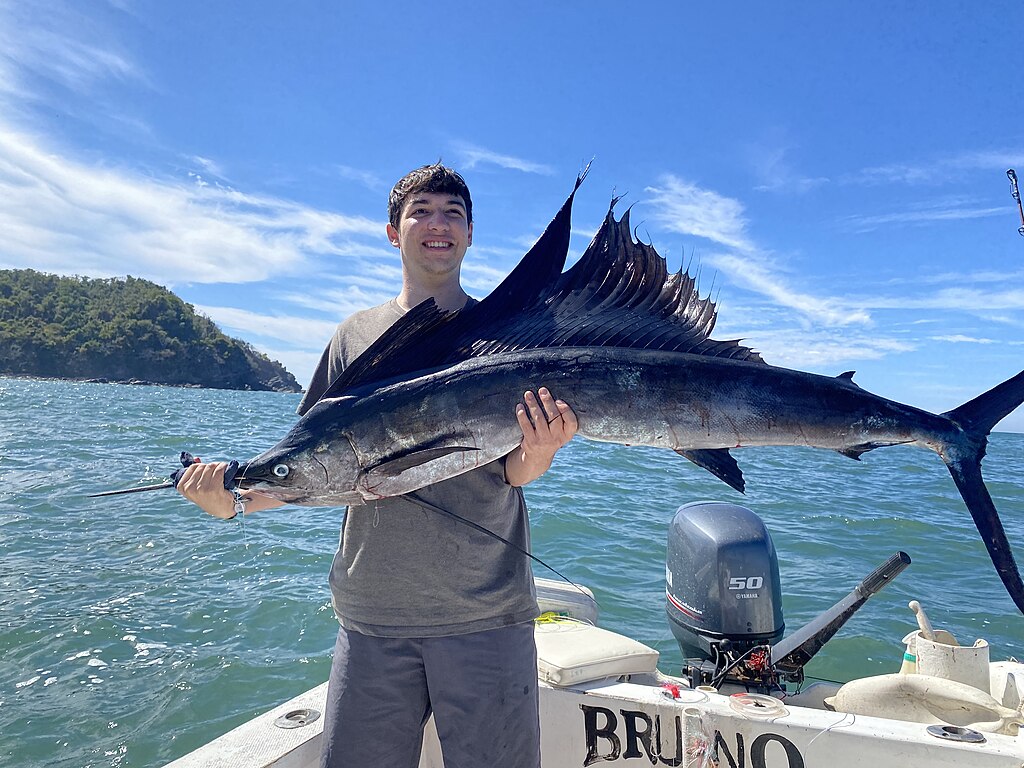
The decision to keep or release a fish represents a moment where personal choice meets environmental responsibility. By considering regulations, biological factors, handling practices, and your intentions, you can make choices that respect both angling traditions and conservation necessities. Remember that responsible fishing isn’t simply about following rules—it’s about developing an informed awareness of your impact on aquatic ecosystems and acting accordingly. Whether you’re bringing home dinner or practicing strict catch-and-release, approaching each fish with mindfulness ensures that the waters we cherish today will continue to sustain fish populations and fishing traditions long into the future.






Post Comment