How Climate Change Is Affecting Fish Migration Patterns
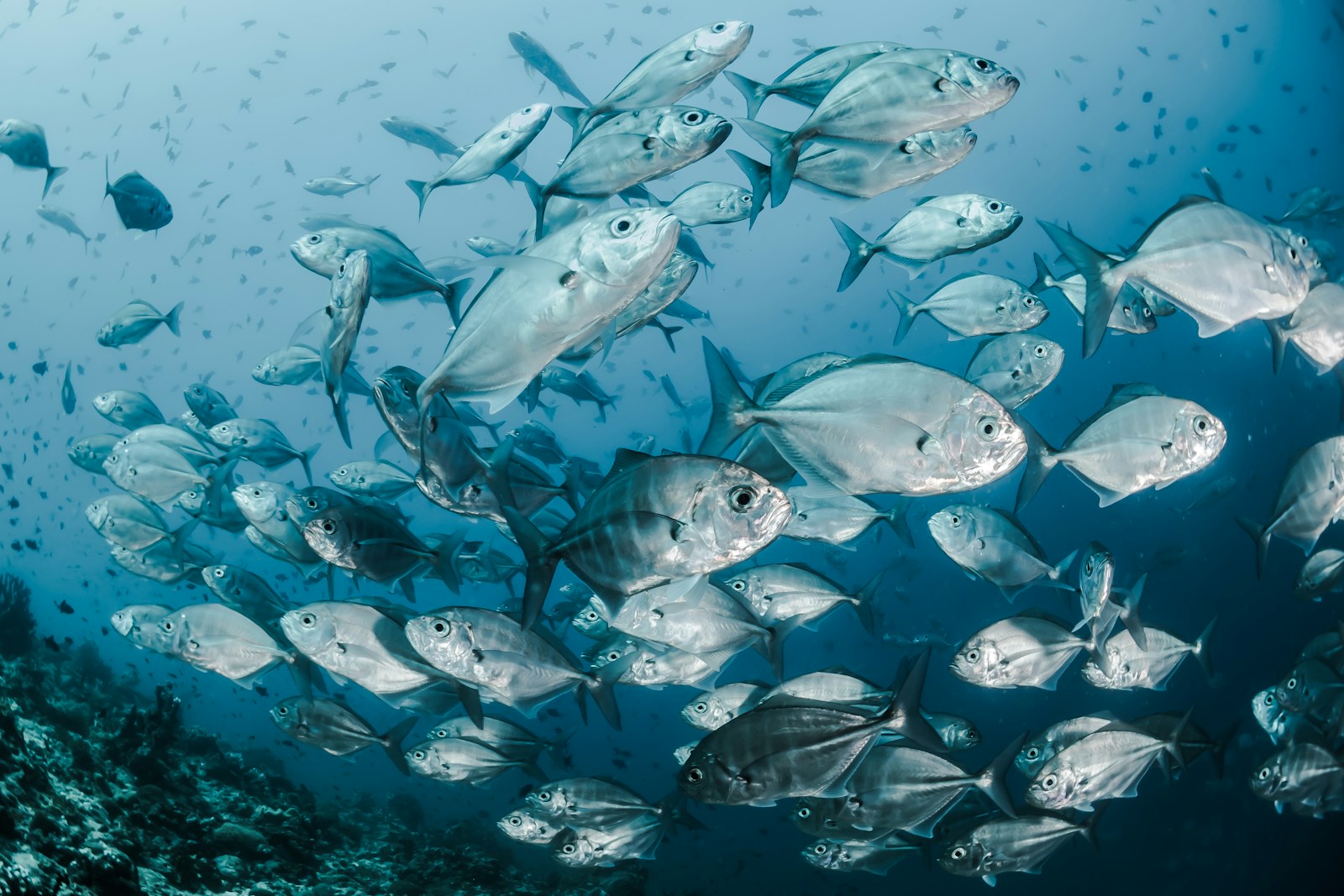
Fish migration is one of nature’s most remarkable phenomena, with species traversing vast distances across oceans, rivers, and lakes in pursuit of food, suitable breeding grounds, or more hospitable environments. These ancient patterns, fine-tuned over millennia, are now experiencing unprecedented disruption due to climate change.
As global temperatures rise and marine ecosystems transform, fish are altering their migratory behaviors in ways that impact not only their survival but also the health of aquatic ecosystems and the communities that depend on them.
This article explores the complex relationship between climate change and fish migration, examining how warming waters, changing ocean chemistry, and altered currents are reshaping the underwater highways that countless species have followed for generations.
The Fundamentals of Fish Migration
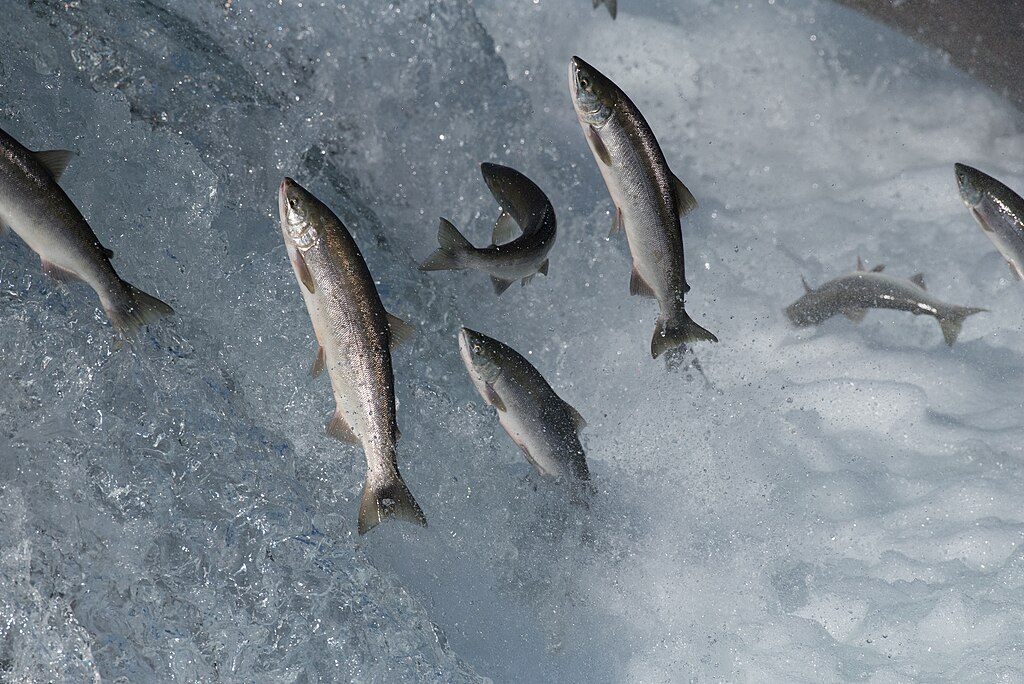
Fish migration represents one of the most complex and fascinating behaviors in the animal kingdom, with species traveling hundreds or even thousands of miles to complete their life cycles. These journeys are typically triggered by environmental cues such as temperature changes, daylight duration, or seasonal shifts in food availability.
Anadromous fish like salmon are born in freshwater, migrate to the ocean to mature, and then return to their natal streams to spawn—a remarkable feat of navigation and endurance. Catadromous species, such as eels, do the opposite, living in freshwater but migrating to marine environments to reproduce. These migratory patterns have evolved over millions of years to optimize survival and reproductive success, creating intricate connections between different ecosystems that are now threatened by climate change.
Rising Ocean Temperatures as Fish Migration Disruptors
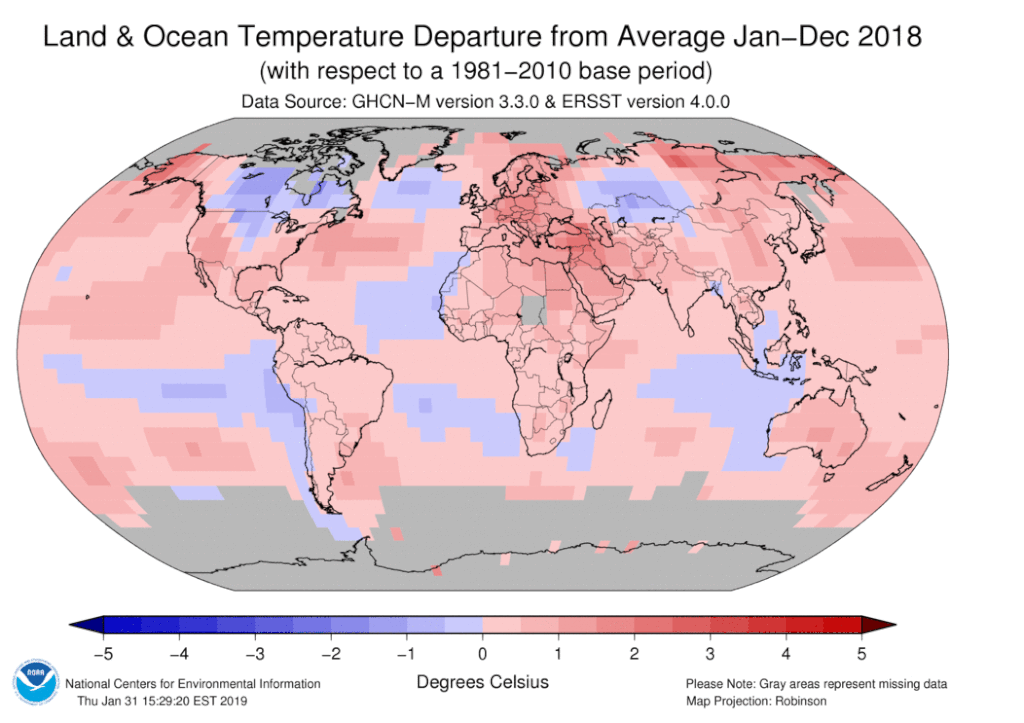
The steady increase in ocean temperatures represents one of the most significant climate-related impacts on fish migration. Many species have evolved to follow specific temperature gradients during their journeys, using these thermal markers as navigational cues. As oceans warm unevenly, these temperature gradients are shifting, becoming less reliable guides for migratory fish.
For example, Atlantic cod populations have been observed moving northward at rates of up to 200 kilometers per decade as they follow their preferred temperature zones. Pacific salmon are arriving at spawning grounds earlier than historical averages, disrupting the careful timing that once synchronized their reproduction with optimal environmental conditions. These temperature-driven changes force fish to expend more energy searching for suitable habitats and may ultimately lead to population declines if species cannot adapt quickly enough.
Altered Ocean Currents and Fish Migration Routes

Ocean currents function as underwater highways for migratory fish, providing energy-efficient pathways and carrying essential nutrients. Climate change is now disrupting these currents through thermal expansion, ice melt, and changing wind patterns. The weakening of the Gulf Stream, for instance, has significant implications for species like bluefin tuna and American eels that rely on this current during migration.
In the Pacific, changes to the Kuroshio Current are affecting the migration routes of species such as Pacific saury and Japanese eel. These alterations force fish to swim against stronger currents or take longer routes to reach their destinations, increasing energy expenditure during already taxing journeys. The disruption of these oceanic conveyor belts may eventually lead to complete shifts in traditional migration corridors, requiring fish to establish entirely new routes or face population decline.
Impacts on Anadromous Species: The Salmon Crisis
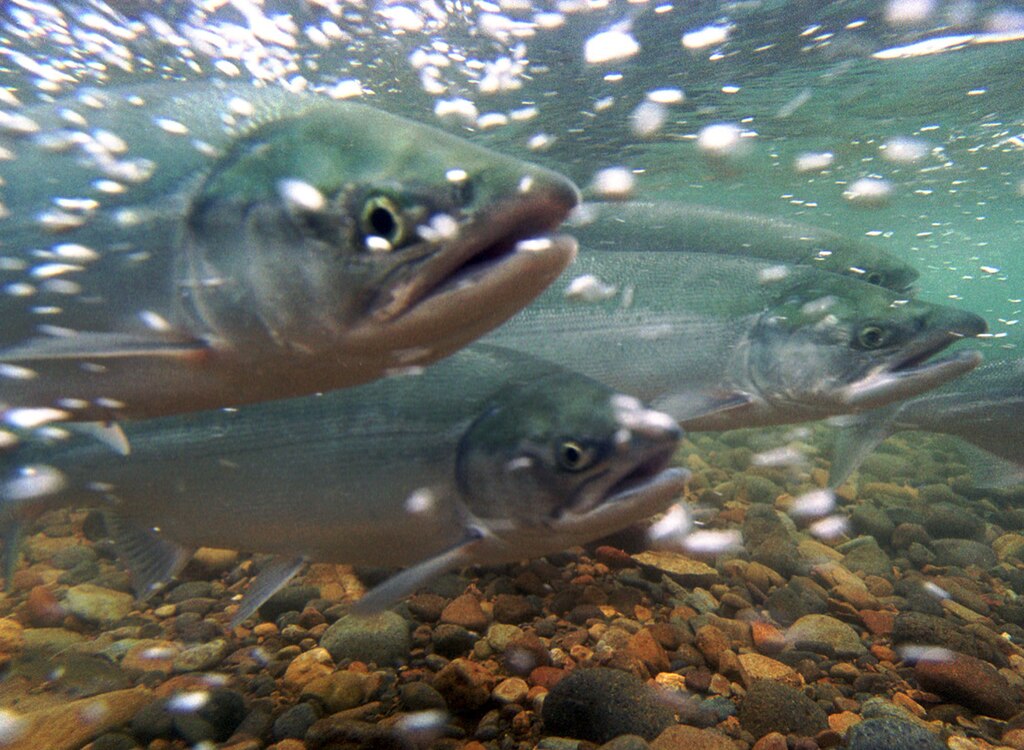
Salmon, as anadromous fish that migrate between freshwater and marine environments, are particularly vulnerable to climate change impacts. Warming river temperatures create thermal barriers that prevent salmon from reaching their spawning grounds, with studies showing that temperatures above 20°C (68°F) can be lethal for many salmon species. Diminished snowpack and altered precipitation patterns result in reduced river flows during critical migration periods, making it physically impossible for some salmon to navigate upstream.
Early spring runoff caused by premature snowmelt can wash away eggs before they hatch or force juvenile salmon to migrate to the ocean before they’re physiologically ready. The combined stressors have contributed to declining salmon populations throughout the Pacific Northwest and Alaska, with some runs seeing reductions of over 90% compared to historical numbers—a loss with profound ecological and cultural implications.
Shifting Distribution Patterns and Range Extensions
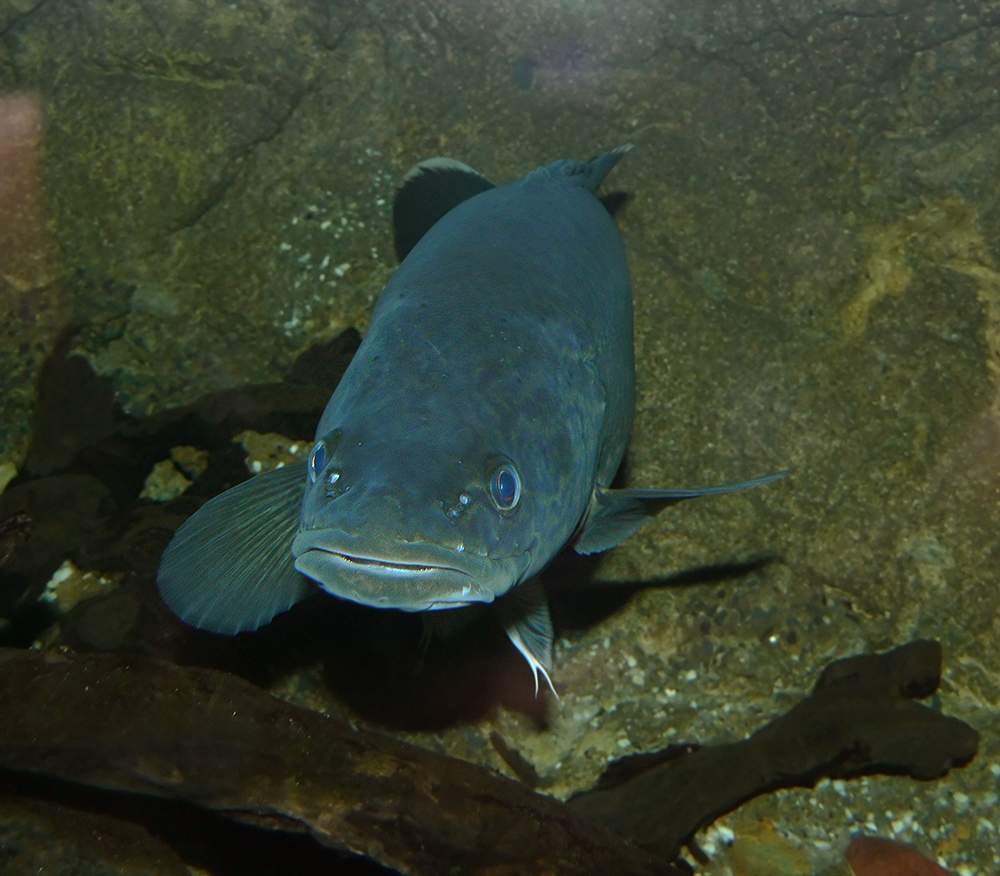
As oceans warm, many fish species are extending their ranges poleward in search of their preferred temperature conditions. This northward shift has been documented in over 800 commercially important marine species, with average distribution changes of 70 kilometers per decade.
In the North Sea, traditionally cold-water species such as cod and haddock have migrated northward, while warm-water species like red mullet and anchovy have expanded into areas where they were previously absent. These distribution shifts create novel species interactions and competition dynamics that can destabilize established ecological communities.
The movement also presents challenges for fishery management as species cross international boundaries and enter waters where harvesting regulations may not be appropriate for the sustainable management of these new arrivals.
Ocean Acidification and Fish Migration Behavior
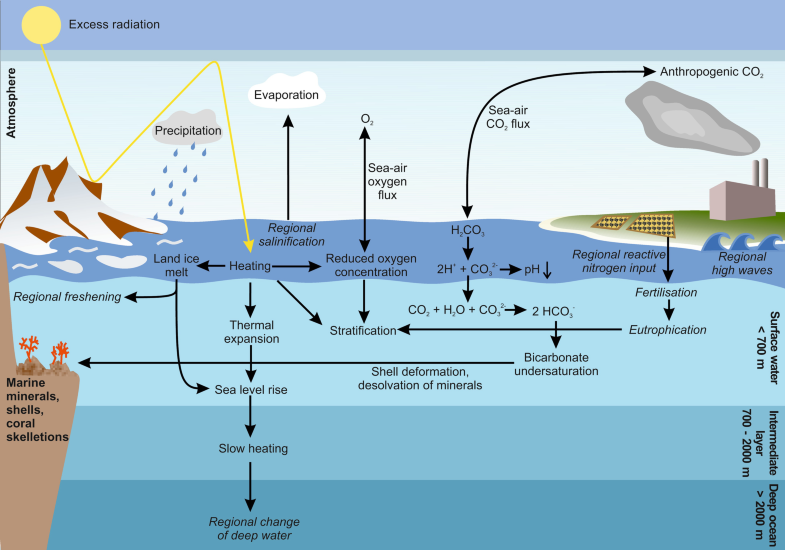
The ocean’s absorption of atmospheric carbon dioxide has led to increasing acidification, which impacts fish migration in subtle but significant ways. Higher acidity affects the sensory abilities of many fish species, particularly their capacity to detect chemical cues that guide migration. Research has shown that juvenile salmon in more acidic waters demonstrate impaired olfactory function, reducing their ability to imprint on their natal streams—a critical ability for successful return migration as adults.
Ocean acidification also damages the calcium carbonate structures of many marine organisms that migratory fish depend on for food, potentially disrupting feeding migrations. Additionally, laboratory studies indicate that acidification can alter fish behavior directly, affecting their activity levels, boldness, and directional preferences, all of which could impact migratory success in the wild.
Freshwater Migration Challenges: Drought and Flooding
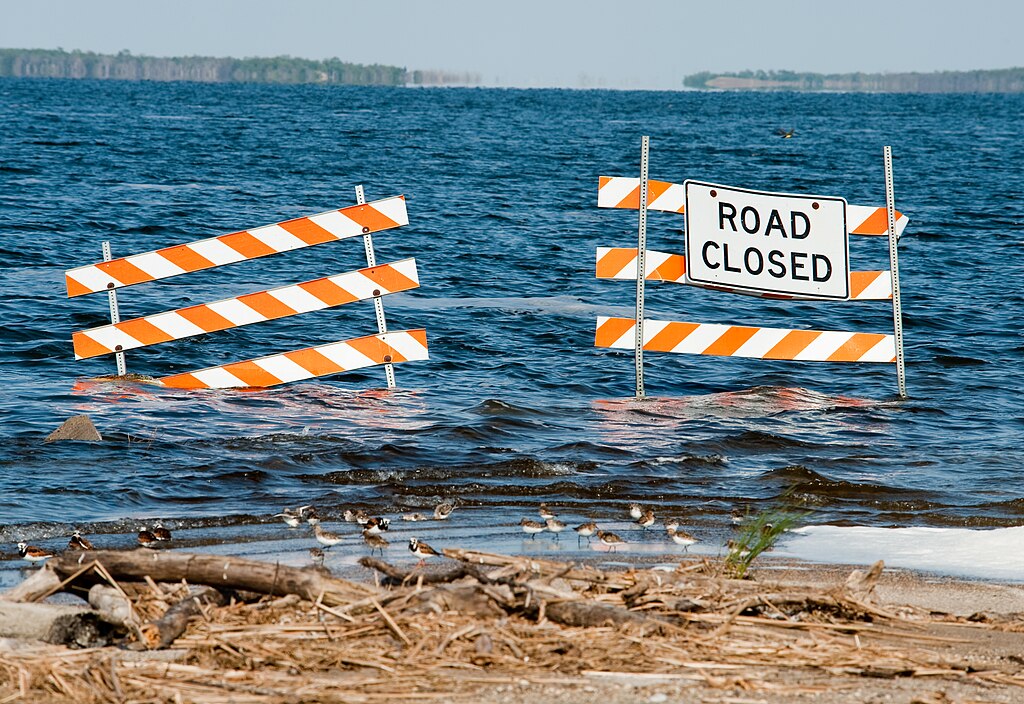
Climate change is intensifying the hydrological cycle, resulting in more frequent extreme weather events that disrupt freshwater fish migrations. Prolonged droughts reduce water levels in rivers and lakes, creating physical barriers that prevent fish from reaching spawning or feeding grounds. In contrast, increased flooding events can wash away eggs and juveniles or cause fish to expend excessive energy swimming against powerful currents.
The timing of these hydrological events is increasingly misaligned with the evolutionary timing of fish migrations, creating phenological mismatches. In the Great Lakes region, for instance, walleye spawning migrations now often occur during periods of unsuitable water conditions, contributing to recruitment failures. These disruptions have cascading effects throughout freshwater ecosystems, affecting not only migratory species but also the many organisms that depend on them.
Oxygen Depletion and Dead Zones

Warming waters hold less dissolved oxygen, creating challenges for migratory fish that often require high oxygen levels to sustain their energetically demanding journeys. Climate change is expanding oceanic “dead zones”—areas with oxygen levels too low to support most marine life—which can block migration routes or force fish to detour around these inhospitable regions.
The Gulf of Mexico dead zone, which has expanded substantially in recent decades, now interferes with the migrations of species such as red snapper and various mackerel species. Coastal upwelling patterns altered by climate change can unexpectedly bring deep, oxygen-depleted water to the surface, creating sudden barriers to migration. These oxygen-minimum zones are particularly problematic for large, active migratory species, such as tuna and billfish, which have high metabolic demands and cannot survive in low-oxygen conditions.
Invasive Species and New Competition Along Migration Routes
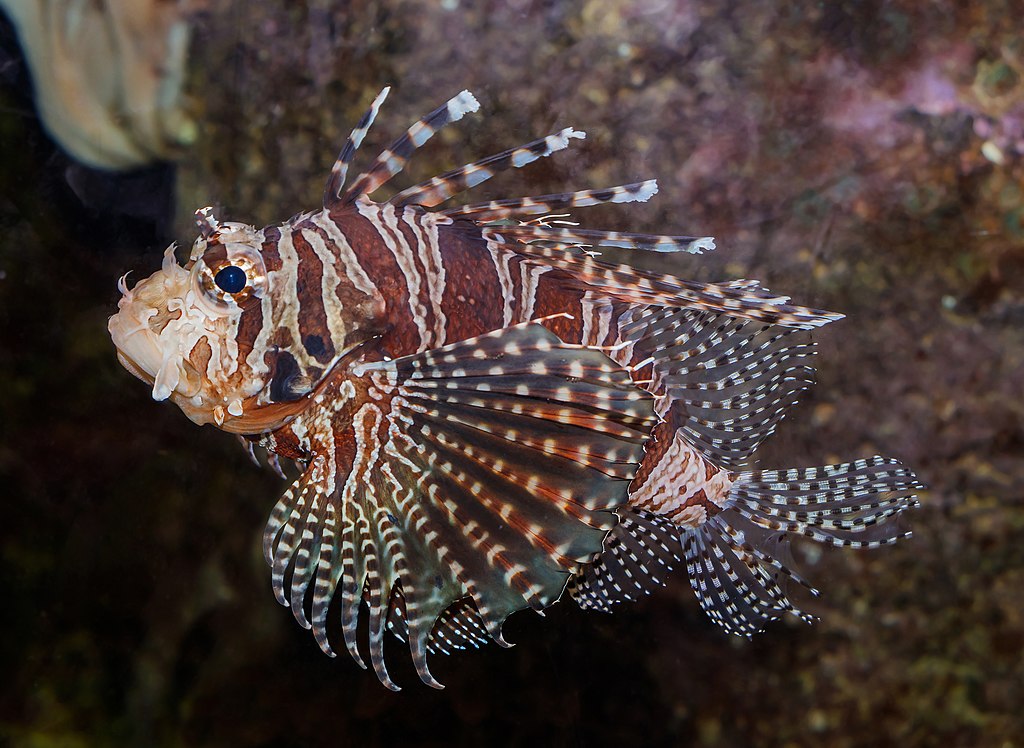
Climate change is enabling invasive species to establish in previously inhospitable environments, creating new competitive pressures for migratory fish. As waters warm, species that were once limited by temperature thresholds can expand into new territories, where they may compete with native migratory species for resources.
In the Mediterranean Sea, over 700 non-native species have established populations as waters warm, many of which directly compete with native migratory fish. Lionfish in the Atlantic and Pacific and lamprey in the Great Lakes represent invasive species whose ranges have expanded with warming waters, creating additional stressors for already vulnerable migratory fish populations. These novel competitive interactions can reduce food availability along migration routes, potentially compromising the energy reserves migratory fish need to complete their journeys successfully.
Disruption of Predator-Prey Relationships
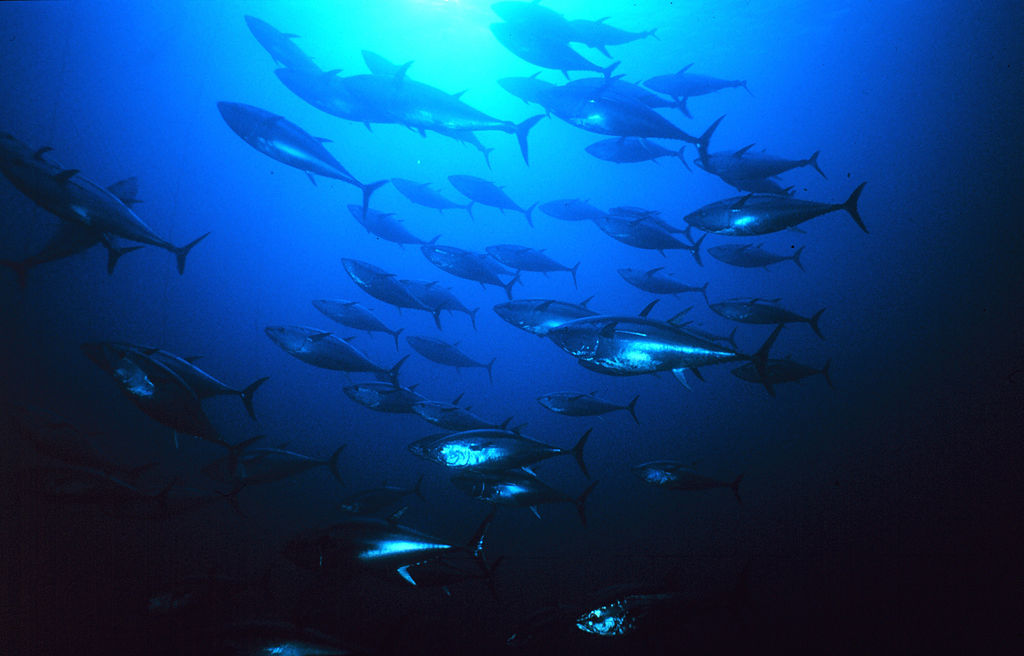
Climate change is causing temporal and spatial mismatches between migratory fish and their prey, disrupting food webs that have co-evolved over millennia. Many migratory fish time their movements to coincide with seasonal plankton blooms or prey aggregations, but these events are now occurring at different times or locations due to changing environmental conditions.
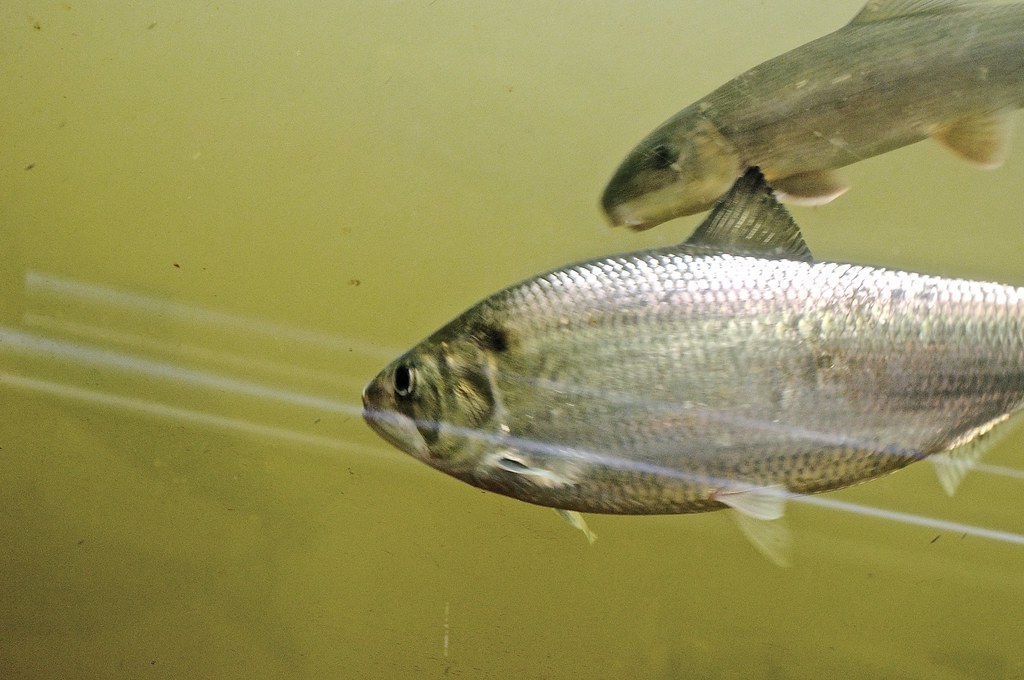
Atlantic bluefin tuna, for instance, traditionally migrate to the Gulf of Maine to feed on herring, but herring populations have shifted northward as waters warm, forcing tuna to alter their feeding migrations. Juvenile salmon migrating to the ocean may now arrive when their planktonic food sources have already peaked, resulting in reduced survival rates. These trophic mismatches can have population-level consequences, as fish that cannot find sufficient food during migration may fail to reach maturity or successfully reproduce.
Implications for Fisheries and Human Communities
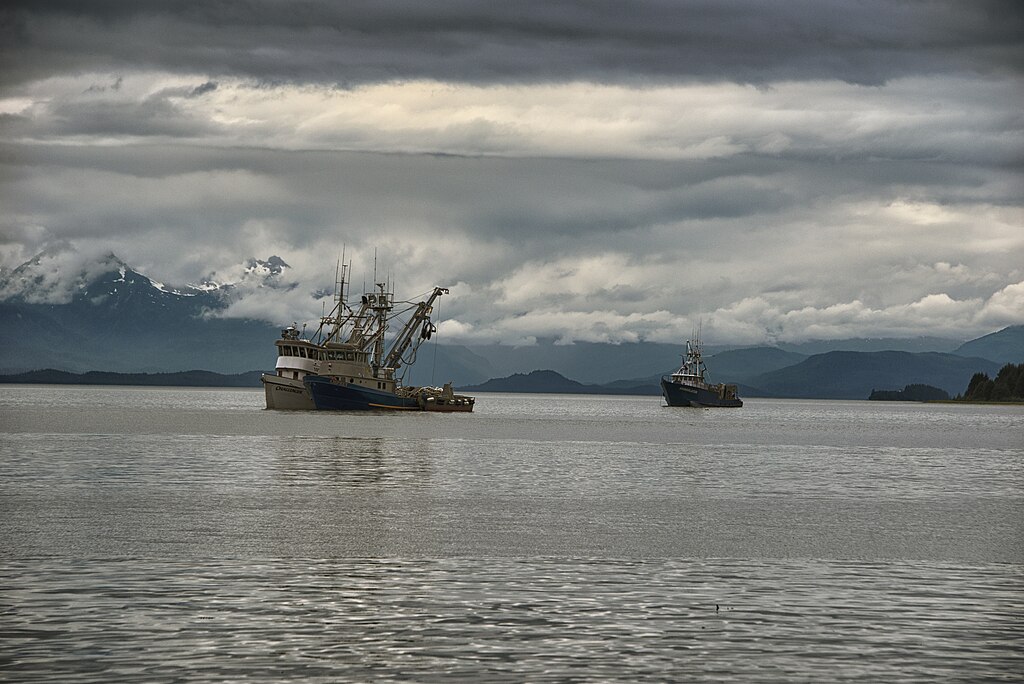
The disruption of fish migration patterns has profound implications for fisheries and the human communities that depend on them.
Commercial fishing operations based on traditional knowledge of where and when fish will appear must now contend with unpredictable changes in migration timing and routes. Small-scale fisheries in developing nations, often lacking the resources to track and respond to these changes, are particularly vulnerable to the economic impacts of altered migration patterns. Indigenous communities whose cultural identities and food security are tied to migratory fish face existential threats as these patterns change.
The economic impacts extend beyond direct harvesting to affect processing facilities, transportation networks, and tourism operations built around predictable fish migrations, creating ripple effects throughout coastal and riverine economies worldwide.
Adaptation and Conservation Strategies
In response to climate-driven changes in fish migration, scientists and resource managers are developing innovative adaptation and conservation strategies to address these shifts. Dynamic ocean management utilizes real-time data on fish movements and environmental conditions to adjust protected areas and fishing regulations in response to shifting migrations. Habitat restoration efforts focus on creating climate-resilient corridors that can support fish migration despite changing conditions, including the removal of dams and barriers that limit connectivity.
Assisted migration, where fish are physically transported around barriers or introduced to new habitats, represents a more interventionist approach being tested in some regions. Conservation hatcheries develop breeding programs that select for traits that may enhance resilience to climate change, though people must manage these managed to avoid reducing genetic diversity. These strategies require international cooperation and substantial investment but offer hope for preserving migratory fish populations in a rapidly changing world.
The Future of Fish Migration in a Warming World
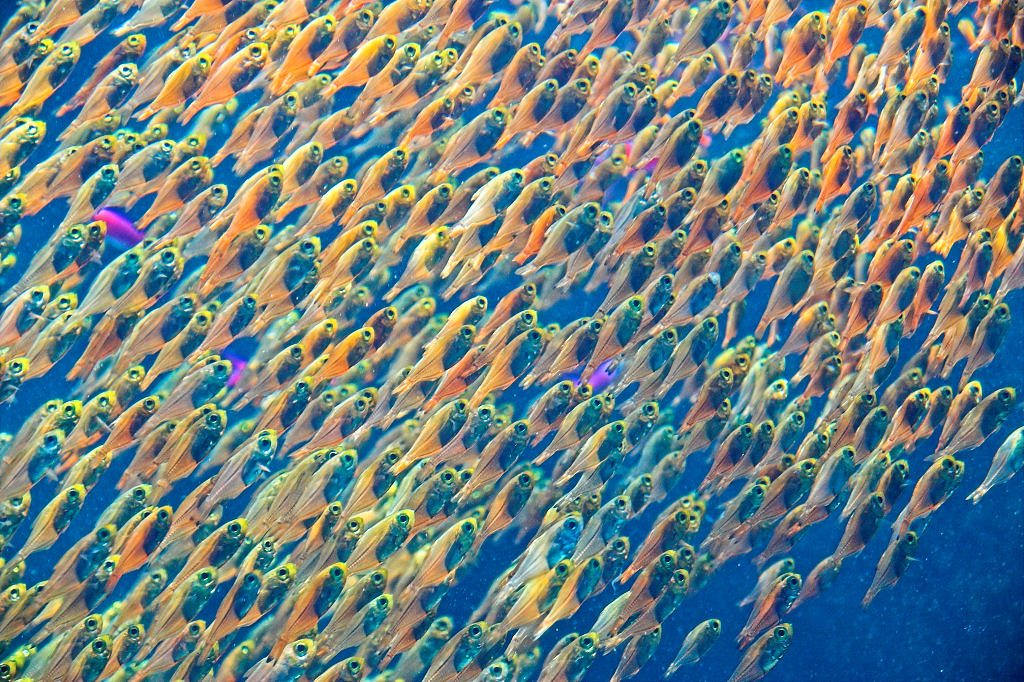
Projections for fish migration under continuing climate change suggest accelerating disruptions that will transform aquatic ecosystems globally. Models predict that by 2050, the suitable thermal habitat for many commercially important species could shift by hundreds of kilometers, creating novel assemblages of species with unknown ecological interactions. Species with limited dispersal abilities or specific habitat requirements may face localized extinctions if migration routes become impassable. Some fish may adapt through behavioral plasticity or evolutionary responses, but the rapid pace of climate change may exceed the adaptive capacity of many species.
The most optimistic scenarios depend on aggressive carbon emission reductions coupled with robust conservation measures, while business-as-usual emission trajectories point toward profound alterations of migratory patterns that have persisted for millions of years. Understanding and addressing these changes represents one of the great challenges for marine science and conservation in the coming decades.
Conclusion

The relationship between climate change and fish migration represents a complex and urgent environmental challenge. As waters warm, currents shift, and aquatic chemistry changes, fish are responding by altering migratory routes, changing migration timing, and exploring new territories. These adaptations, however, come with significant costs and risks, both for the fish themselves and for the ecosystems and human communities that depend on them.
The disruption of these ancient patterns serves as a vivid illustration of climate change’s far-reaching impacts on natural systems. While the challenges are substantial, emerging conservation approaches offer some hope. By combining scientific innovation, policy reform, and international cooperation, we may yet preserve some of the remarkable migratory journeys that have captivated human observers and sustained aquatic ecosystems for countless generations.
The fate of migratory fish will ultimately depend on how quickly and effectively we address the root causes of climate change while implementing targeted conservation measures to help these species navigate an increasingly unfamiliar world.







Post Comment