Tips for Reusing Live Bait After a Long Day on the Water
After spending hours fishing, many anglers face a common dilemma: what to do with leftover live bait? Rather than wastefully discarding these valuable fishing resources, implementing proper conservation and storage practices can extend their usefulness for future fishing trips. With thoughtful handling and appropriate techniques, you can maximize the value of your bait investment while practicing responsible resource management. This comprehensive guide explores practical methods for preserving various types of live bait, helping you save money and reduce waste in your fishing adventures.
Understanding the Economics of Bait Conservation

Live bait represents a significant investment for most fishing enthusiasts, often costing anywhere from $5 to $25 per container depending on the type and quality. By implementing effective reuse strategies, anglers can substantially reduce their seasonal fishing expenses while maintaining bait effectiveness. The financial benefits become particularly apparent for frequent fishers who might otherwise purchase fresh bait for each outing. Additionally, conservation practices align with sustainable fishing ethics, reducing the environmental impact of repeatedly harvesting wild bait populations. Many experienced anglers report saving hundreds of dollars annually through proper bait maintenance techniques.
Essential Equipment for Bait Preservation

Successful bait preservation begins with having the right equipment on hand before leaving for your fishing trip. A high-quality bait bucket or specialized bait container with proper aeration capabilities forms the foundation of any effective system. Battery-operated aerators provide essential oxygen circulation for aquatic bait during extended storage periods. Temperature control tools such as insulated containers or portable coolers help maintain appropriate environmental conditions for different bait species. Additionally, consider investing in water conditioners that remove harmful chemicals like chlorine from tap water used in bait containers, creating a more hospitable environment for delicate organisms.
Minnow Management: Keeping Small Fish Bait Alive
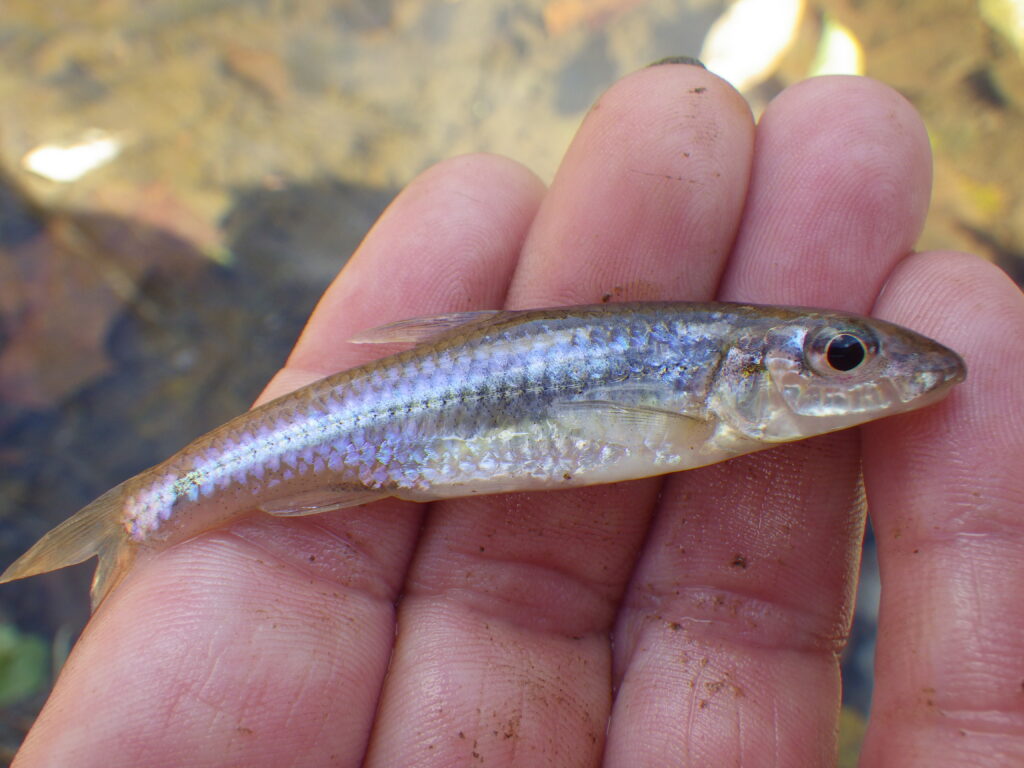
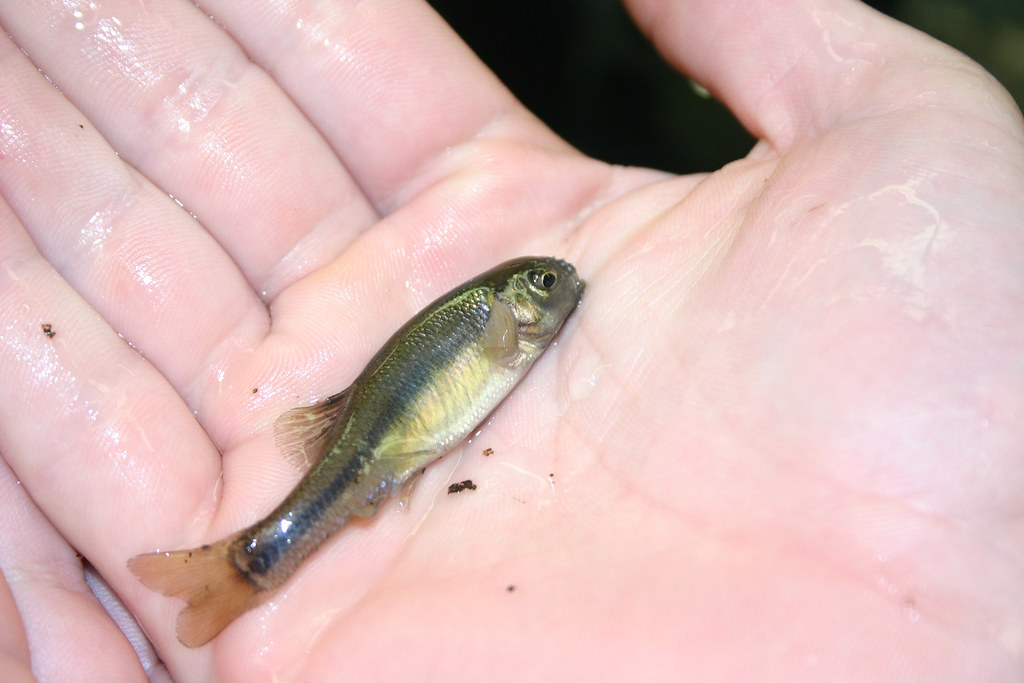
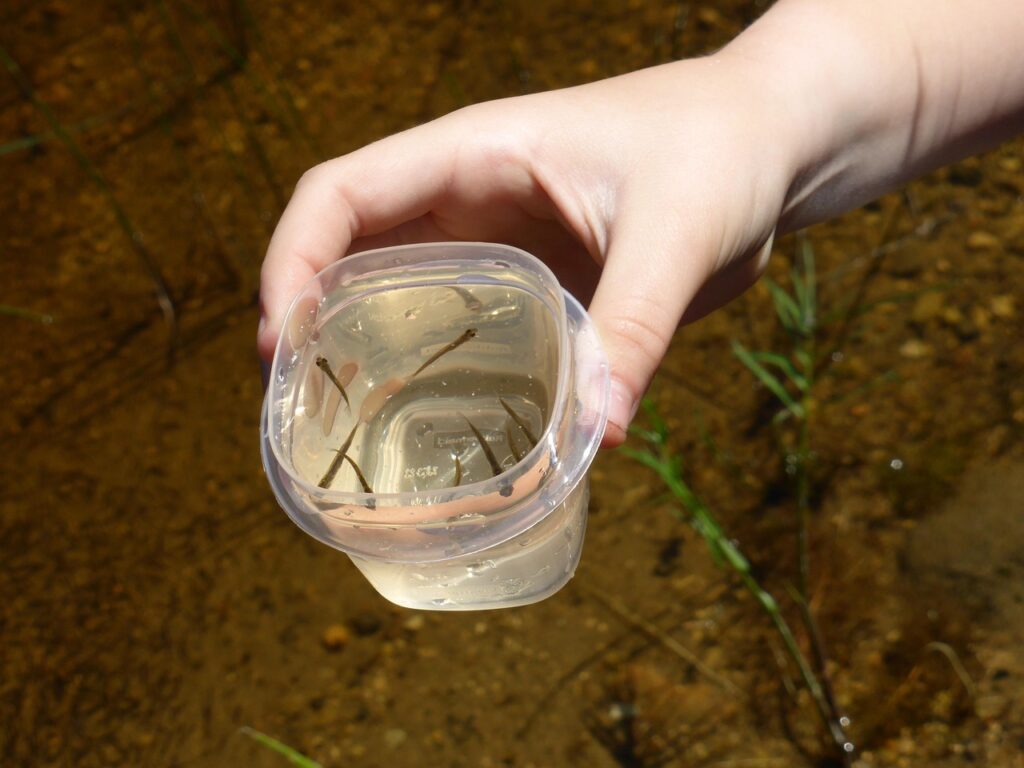
Minnows require particular attention to water quality and temperature to survive beyond a single fishing trip. Transfer unused minnows to a larger container with fresh, dechlorinated water immediately upon returning home, ensuring the temperature closely matches their original environment to prevent shock. An active aerator is essential for maintaining adequate oxygen levels, particularly in warmer weather when oxygen depletion occurs more rapidly. Remove any dead minnows promptly as they quickly deteriorate water quality for the surviving bait. For extended storage, consider adding small amounts of fish food every other day, but be careful not to overfeed, which can lead to increased waste and poor water conditions.
Worm Care: Extending the Life of Nightcrawlers and Red Wigglers
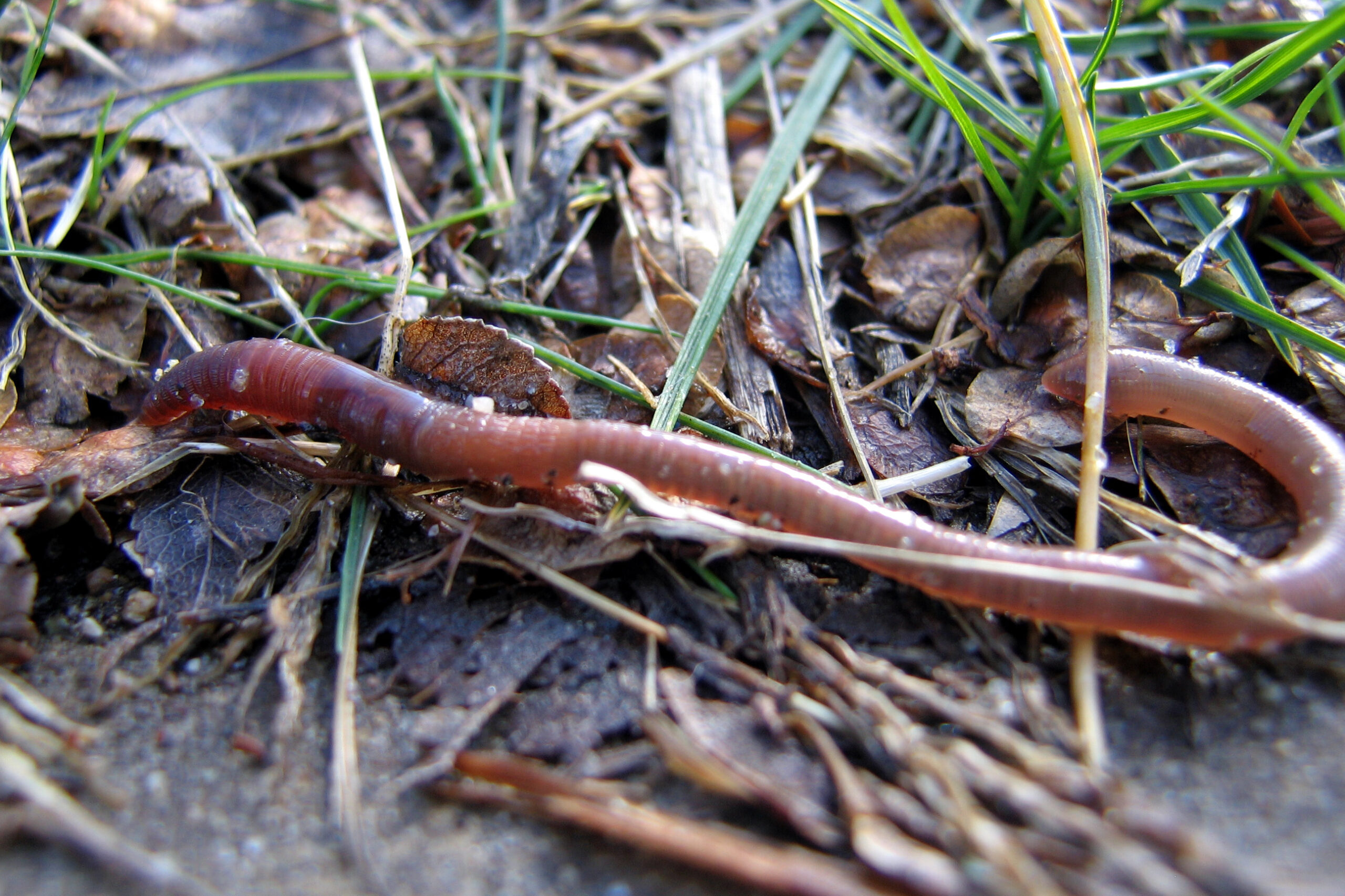
Earthworms and nightcrawlers can survive for weeks with proper care, making them excellent candidates for reuse. Store unused worms in a dedicated worm container with moist, clean soil or commercial worm bedding material, avoiding waterlogged conditions that can drown these air-breathing creatures. Keep the container in a cool, dark location with temperatures between 50-65°F (10-18°C) for optimal survival rates. Adding small amounts of cornmeal, coffee grounds, or finely crushed eggshells provides nutrition without creating excess odor or attracting pests. Regularly inspect the container and remove any dead worms to prevent bacterial growth that could compromise the entire colony.
Cricket and Grasshopper Preservation
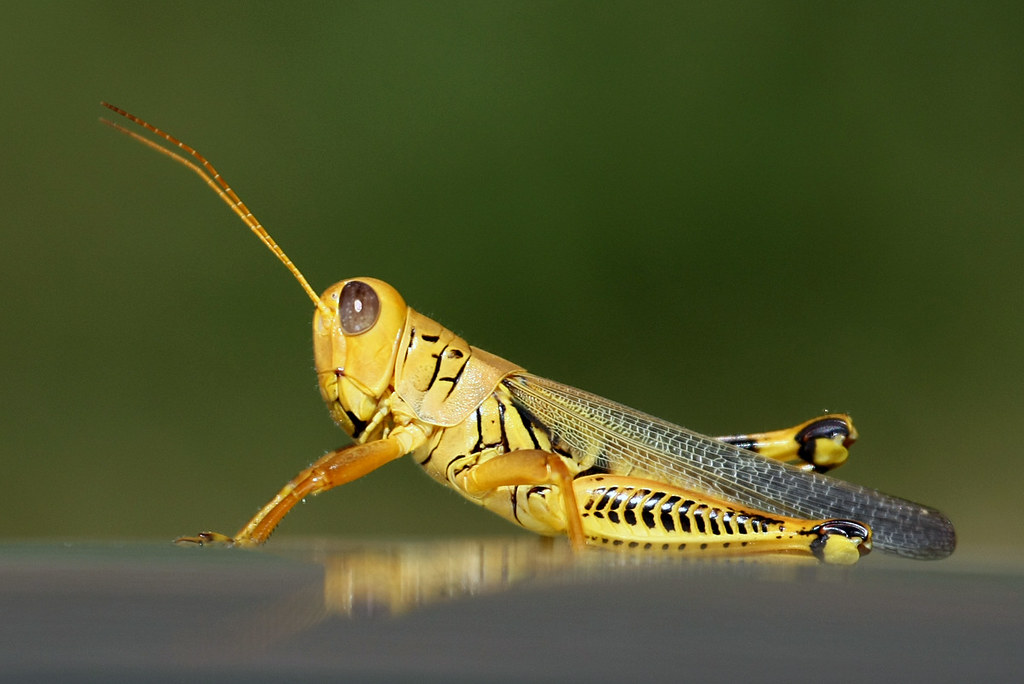
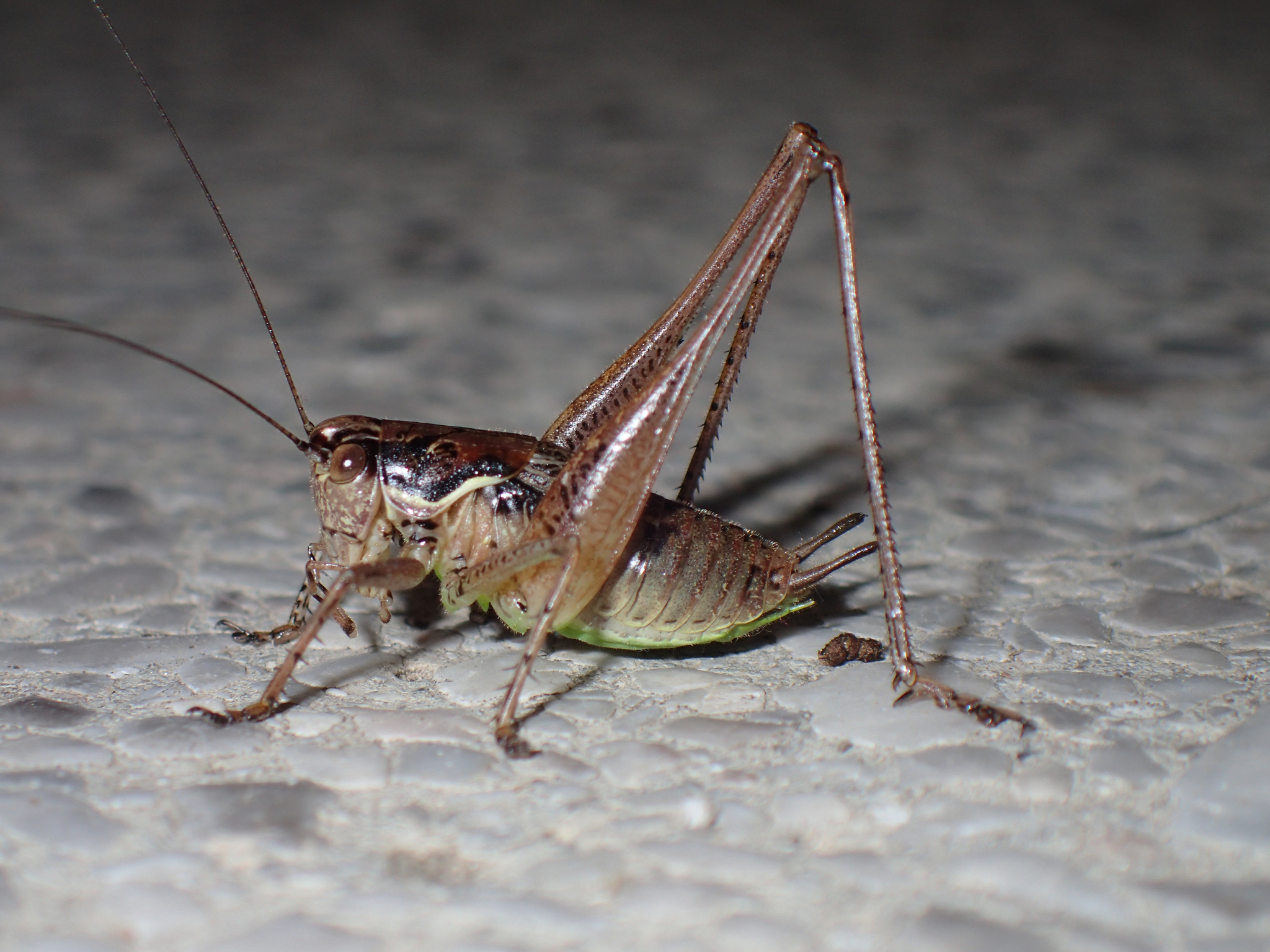
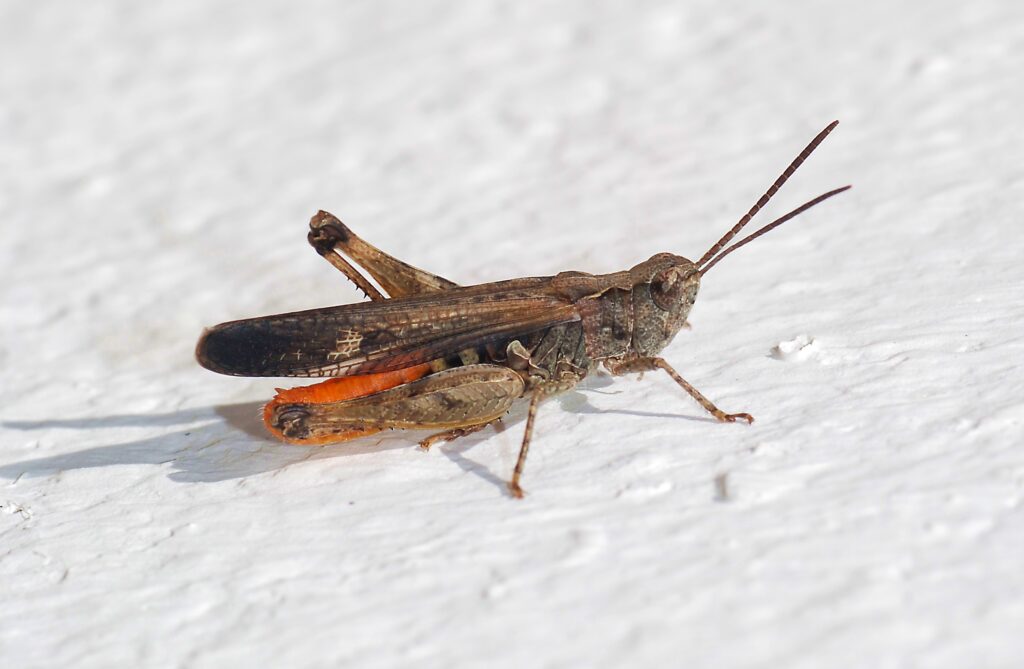
Insect baits like crickets and grasshoppers require different care protocols than aquatic or soil-dwelling options. House unused insects in a ventilated container with adequate climbing surfaces and hiding places to reduce stress and prevent cannibalism. Provide moisture through water-soaked cotton balls or specialized cricket watering devices rather than open water sources, which pose drowning hazards. Temperature control is crucial for these cold-blooded creatures, with most species thriving between 70-80°F (21-27°C), away from direct sunlight or heating elements. Offer small amounts of fresh vegetables like carrot slices or potato pieces for nutrition, ensuring food remains fresh by replacing it every 1-2 days.
Crayfish Storage Solutions
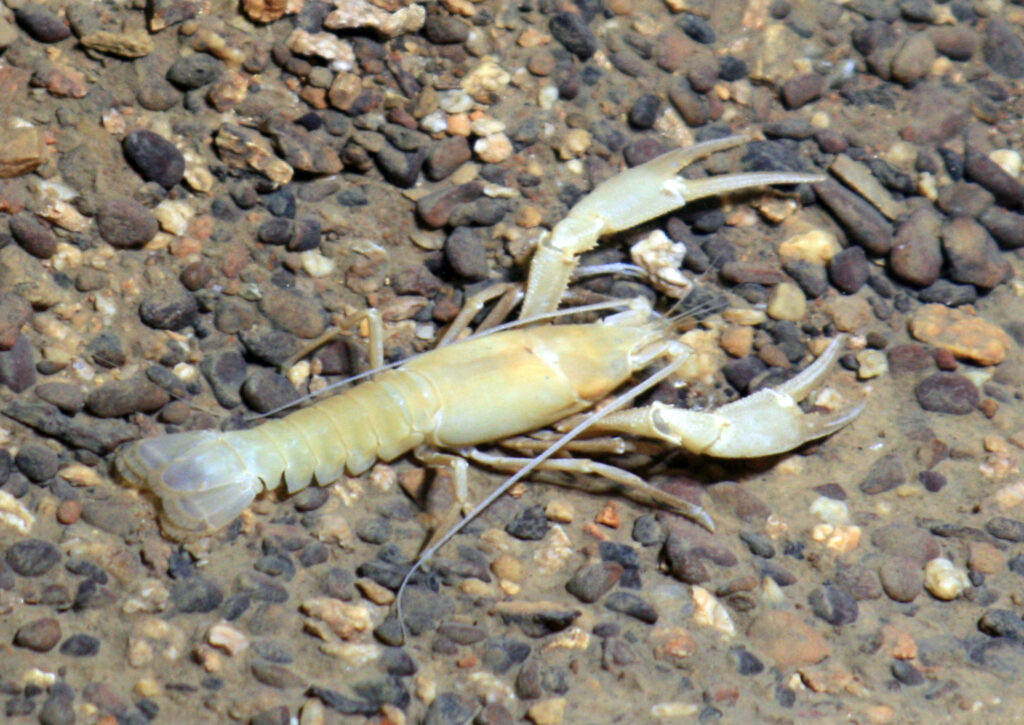
Crayfish represent a particularly hardy bait option that can survive for extended periods with minimal care. Store unused crayfish in containers with just enough water to cover their gills, as fully submerged conditions require more intensive aeration. Adding rocks or similar structures provides essential hiding places that reduce stress and aggressive interactions between individuals. An aerator remains important for water quality, though crayfish require less oxygen than many fish baits. Temperature management proves critical, with most North American species preferring cooler water between 55-70°F (13-21°C), making refrigeration an effective short-term storage method during warmer months.
Specialized Care for Leeches
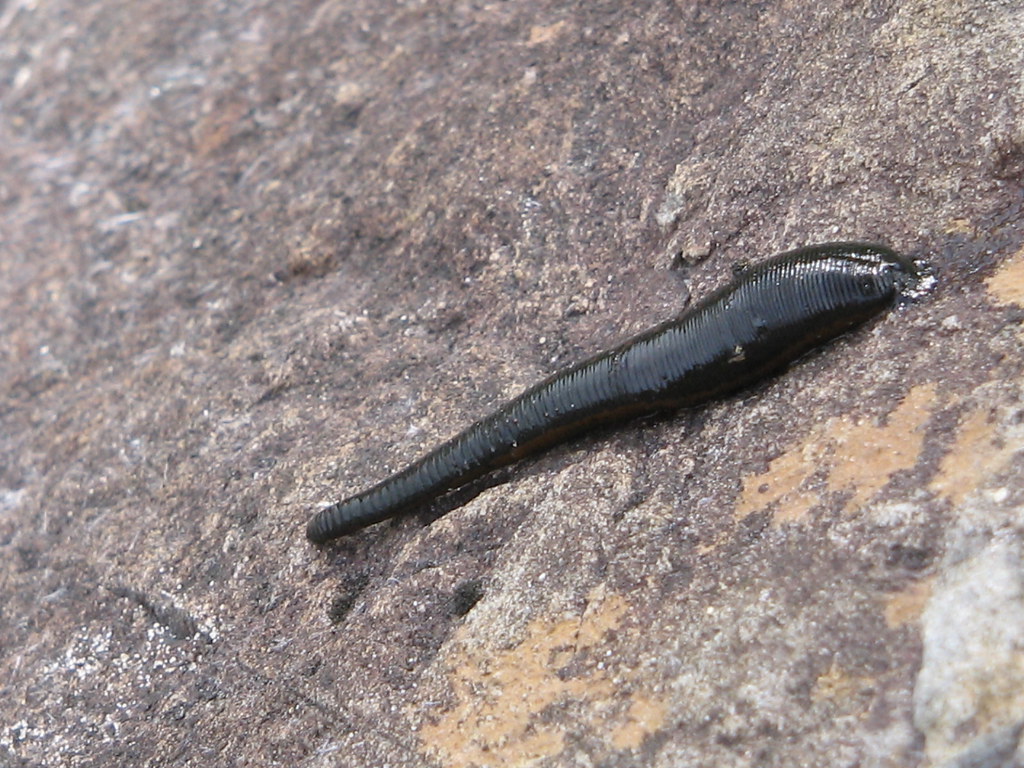
Leeches present unique storage challenges but can remain viable for weeks with appropriate conditions. Keep these creatures in containers with clean, dechlorinated water that’s changed every 2-3 days to remove waste products. Unlike many aquatic baits, leeches benefit from minimal aeration, as excessive water movement can stress them unnecessarily. Refrigeration between 40-50°F (4-10°C) significantly extends leech survival by slowing their metabolism and reducing feeding requirements. Avoid adding any substrate or food to leech containers, as these creatures can survive extended periods without feeding and additional materials primarily contribute to water quality degradation.
Water Quality Management Fundamentals
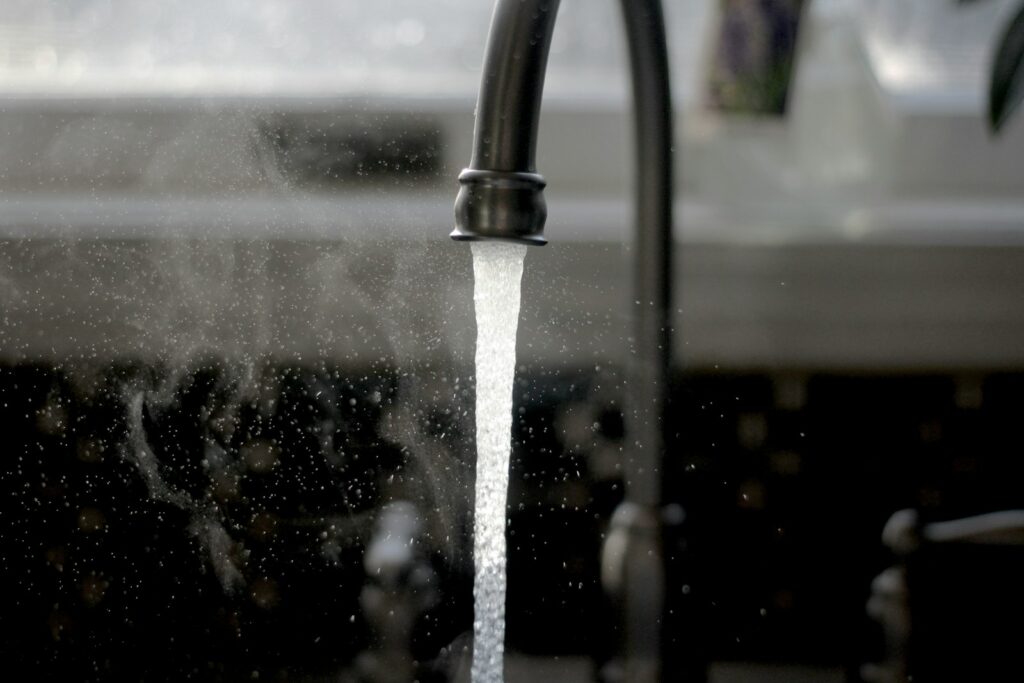
Maintaining proper water conditions forms the cornerstone of successful bait preservation for all aquatic species. Chlorinated tap water can be lethal to most bait organisms, necessitating either pre-treatment with dechlorinating products or 24-hour standing to allow chlorine dissipation. Regular partial water changes of 25-50% every 1-3 days (depending on bait density) helps prevent ammonia buildup from waste products without shocking the organisms with complete environment changes. Testing kits designed for aquarium use can provide valuable insights into water parameters like ammonia, nitrite, and pH levels, allowing for more scientific management of bait conditions. For extended storage periods, consider adding beneficial bacteria products designed for aquaculture to help establish natural filtration processes.
Temperature Regulation Techniques
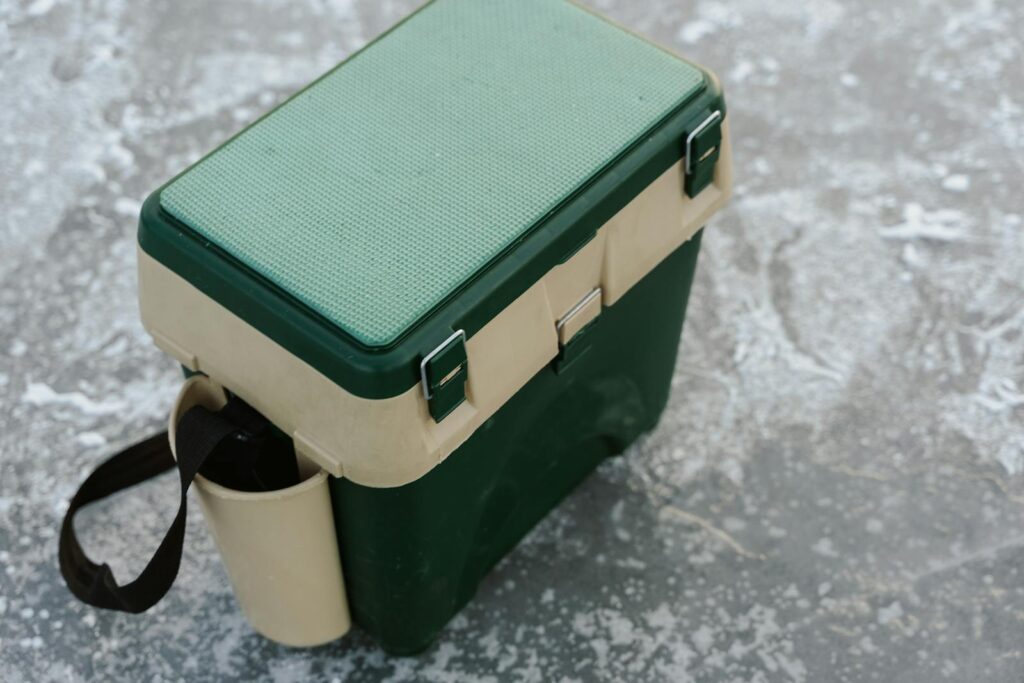
Temperature control represents one of the most critical factors in extending bait life regardless of species. Most bait organisms survive longer in cooler environments that slow their metabolism, reducing oxygen consumption and waste production. Insulated containers help maintain stable temperatures during transport and short-term storage, preventing the rapid fluctuations that cause stress and mortality. For home storage, dedicated refrigerators set to appropriate temperatures for specific bait types provide ideal conditions, though never freeze live bait as ice crystal formation destroys cellular structures. During summer months, consider using frozen water bottles (wrapped in towels to prevent direct contact) as a chemical-free cooling method for temporary storage containers.
Seasonal Considerations for Bait Storage
Effective bait preservation strategies must adapt to changing environmental conditions throughout the fishing season. Summer presents the greatest challenges for bait survival due to naturally elevated temperatures and accelerated biological processes, requiring more frequent water changes and vigilant cooling efforts. Winter conditions generally favor extended bait life through natural refrigeration, though extreme cold necessitates protection from freezing for most species. Spring and fall offer moderate temperatures that simplify maintenance requirements, though seasonal transitions demand careful monitoring as conditions change. Additionally, consider how natural photoperiods (day/night cycles) affect different bait species, with some performing better when storage lighting mimics their natural habitat.
Ethical Considerations and Release Protocols

Responsible anglers should consider the ecological implications of bait disposal when it’s no longer viable for fishing purposes. Never release non-native bait species into local waterways, as this practice contributes to invasive species problems that threaten native ecosystems. Check local regulations regarding bait disposal, as many jurisdictions have specific requirements to prevent ecological disruption. For bait that can’t be legally released, humane disposal options include composting appropriate species like worms or using them as garden fertilizer. When permitted, returning native species to their original collection areas represents the most environmentally sound practice, though only when bait remains healthy and hasn’t been exposed to different water systems.
Troubleshooting Common Bait Preservation Problems
Even with careful attention, bait preservation efforts sometimes encounter challenges that require specific interventions. Excessive mortality often indicates water quality issues, particularly insufficient oxygen or ammonia buildup, necessitating immediate water changes and improved aeration. Lethargic behavior typically suggests temperature stress, requiring gradual adjustment to more appropriate conditions for the species in question. Physical damage to bait often occurs during overcrowded storage or aggressive interactions between individuals, pointing to the need for additional space or separation of larger specimens. Fungal or bacterial infections, indicated by unusual coloration or cotton-like growths, typically require isolation of affected individuals and complete system cleaning to prevent spread.
Creating a Long-Term Bait Management System
Serious anglers benefit from developing systematic approaches to bait management across multiple fishing trips. Consider establishing a dedicated bait station in a garage, basement, or utility area with appropriate electrical connections for aerators and temperature control equipment. Labeling containers with acquisition dates helps track bait age and anticipate necessary care adjustments over time. Maintaining a simple log of water changes, feeding schedules, and bait condition observations provides valuable data for refining preservation techniques. For those who fish regularly throughout the season, rotating between multiple batches of bait allows each group adequate recovery time from the stress of handling during fishing trips, maximizing overall survival rates and effectiveness.
Advanced Tips from Professional Fishing Guides
Professional guides who depend on reliable bait supplies have developed specialized techniques worth adopting. Many experts recommend gradual temperature acclimation between storage and fishing environments, allowing approximately 15-30 minutes of adjustment time for every 5-degree temperature difference to minimize stress. Some guides maintain separate “recovery” containers for bait that appears stressed after fishing trips, providing premium conditions with extra aeration and perfect temperature control before returning them to main storage. Professional-grade water conditioners containing electrolytes and stress-reducing compounds can significantly improve survival rates following handling. Additionally, many guides rotate bait usage systematically, ensuring no individual bait organism experiences handling stress more than once every few fishing sessions.
Properly maintaining and reusing live bait represents both an economic advantage and an environmentally responsible approach to fishing. By implementing the species-specific techniques outlined in this guide, anglers can significantly extend the usability of their bait while reducing waste and saving money. Remember that successful bait preservation requires attention to fundamental principles of water quality, temperature management, and appropriate housing regardless of species. With practice and observation, most fishing enthusiasts can develop effective systems that keep their bait healthy and lively across multiple fishing expeditions, enhancing both the experience and the results of their time on the water.






Post Comment